
Palangka Raya Strengthens Standardisation of SPPG Waste Management
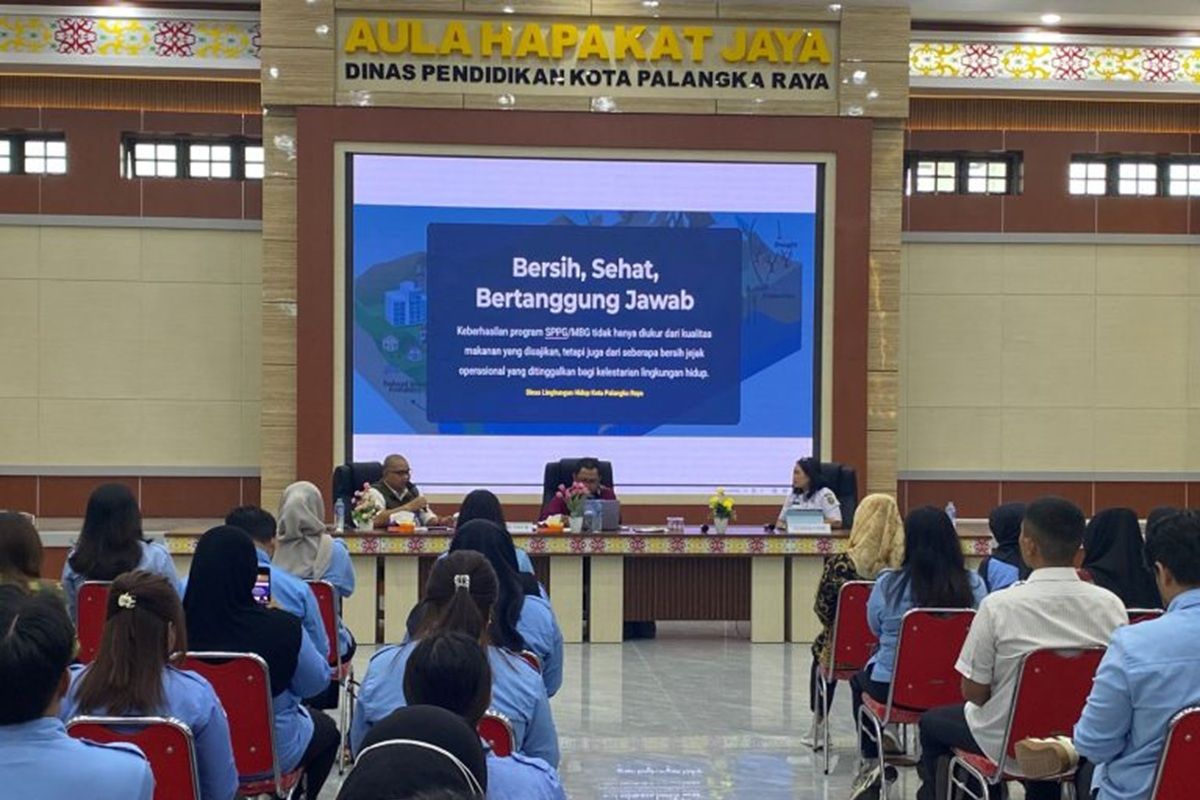
The Palangka Raya Environmental Agency (DLH) in Central Kalimantan is strengthening the standardisation of wastewater management produced by Nutrition Fulfilment Service Units (SPPG) in the implementation of the Free Nutritious Meals (MBG) programme in the local area.
“We are carrying out this effort through the socialisation of Wastewater Treatment Technology Standards with participants from SPPG managers in Palangka Raya,” said Acting Head of the Palangka Raya City DLH, Untung Sutrisno, in Palangka Raya on Thursday.
He stated that this socialisation also represents the Palangka Raya City Government’s support for the Free Nutritious Meals programme, while still paying attention to and not neglecting the environmental impacts of the waste generated.
The government has established a policy through the Minister of Environment Regulation No. 2760 of 2025, which regulates wastewater quality standards and treatment technologies, including for SPPG activities.
Through this socialisation activity, it is hoped that SPPG managers and stakeholders can understand the wastewater quality standards, know the appropriate treatment technology standards, and be able to implement wastewater treatment installation (IPAL) systems effectively and efficiently.
In addition, participants are encouraged to carry out monitoring and reporting in accordance with applicable provisions, as part of efforts to maintain environmental sustainability.
Untung emphasised that the Palangka Raya City Government through the DLH will continue to provide guidance, supervision, and assistance so that all activities, including SPPG, can comply with environmental legislation.
Untung added that the increasing activities of nutrition fulfilment services through SPPG have the potential to generate domestic wastewater, which needs to be managed properly. If not handled appropriately, this situation can impact environmental pollution, particularly water quality.
“As SPPG activities increase, the potential for wastewater also rises. Therefore, good management is very important to avoid negative impacts on the environment,” he said.
He called on all parties to enhance compliance with regulations and promote the application of appropriate and environmentally friendly wastewater treatment technologies.