
Pakistan's Long History as a Conflict Mediator: Next, the Iran War?
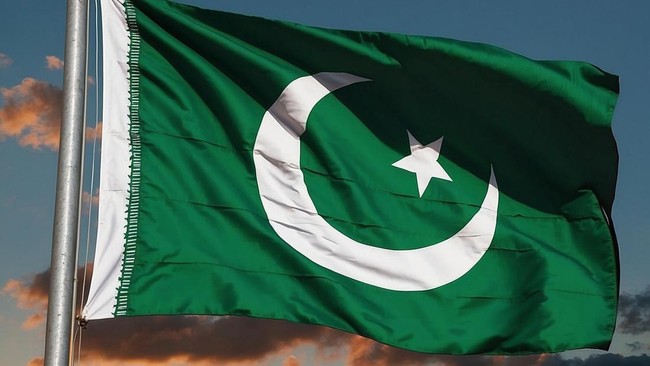
Amid the escalation of conflict between the United States (US), Israel, and Iran, Pakistan has offered itself as a diplomatic mediator. Backed by Turkey and Egypt, Islamabad is now actively conveying messages between Washington and Tehran in efforts to push for a ceasefire.
This role reaffirms that behind the increasingly overt conflict, diplomatic channels continue to operate, with Pakistan at the centre. Pakistan’s desire to act as a mediator is not without reason. The country has frequently emerged as a breaker of deadlocks in inter-state conflicts.
Pakistan’s History of Mediation
Pakistan’s role as a mediator is not new. For a long time, this nation has often served as an intermediary in global conflicts, utilising its geographical position and strategic relations with various major powers.
One of the most significant events occurred in 1971, when Pakistan helped open communications between the United States and China during the Richard Nixon era. This diplomatic channel ultimately altered the geopolitical map of the Cold War and paved the way for official relations between Washington and Beijing.
In the 1980s, Pakistan again acted as a mediator in the process that led to the Geneva Accords, which opened the path for the Soviet withdrawal from Afghanistan. During this period, Pakistan not only served as a mediator but was also directly involved in the conflict’s dynamics.
This role has continued into the modern era. Pakistan was involved in negotiations between the US and the Taliban that culminated in the 2020 Doha Agreement, and it has several times attempted to bridge tensions between Saudi Arabia and Iran. This pattern shows that Pakistan’s diplomacy is not situational but part of its long-term strategy.
Mediation between the United States and Iran
In the latest conflict, Pakistan has once again taken on a similar role, but with far greater stakes. Since the start of US and Israeli military operations against Iran in early 2026, Islamabad has been actively engaging in intensive communications with various parties.
Pakistan’s Prime Minister Shehbaz Sharif is reported to have established direct contact with the Iranian President, while Pakistani military officials have also communicated with Donald Trump. At the same time, Foreign Minister Ishaq Dar confirmed that Pakistan is serving as an intermediary in delivering a 15-point ceasefire proposal from the US to Iran.
This process is taking place indirectly: messages from Washington are conveyed to Tehran via Pakistan, and vice versa. Although Iran has officially denied any direct negotiations, it has responded to the proposal with its own alternative version, indicating that diplomatic channels remain open.
Pakistan’s advantage lies in its unique position. The country maintains working relations with the US while having geographical and historical proximity to Iran. Additionally, Pakistan has close ties with Gulf states, making it one of the few actors acceptable to all parties in the conflict.
However, the chances of success remain uncertain. Differences in interests, demands from each side, and ongoing military escalation make the negotiation process fragile. Nevertheless, Pakistan’s presence as a mediator at least provides space for de-escalation amid the increasingly broad conflict.