
Pakistan PM: Iran-US Peace Framework Agreement Reached
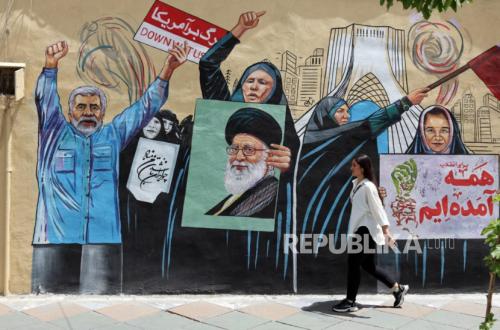
Prime Minister Shahbaz Sharif said on Friday that the US and Iran have reached an agreement on a peace framework to end a war that has lasted more than 100 days. Both Iranian and US parties confirmed that an initial agreement is nearing the finish line.
Pakistan has led mediation efforts between the two sides to end hostilities in the Middle East and reopen the Strait of Hormuz. The effective closure of the key shipping lane has placed economic pressure on both nations.
Prime Minister Shahbaz Sharif said Pakistan is “working with” both sides “to finalise the next steps” of the process in a post on social media platform X. “Peace has never been closer than it is now,” he wrote. Sharif also acknowledged conflicting reports regarding the details of the memorandum of understanding between the two parties.
The latest escalation began with an illegal US-Israeli attack on Iran in February, which killed Iran’s Supreme Leader Ayatollah Ali Khamenei and dozens of senior Iranian military officials. At least 3,000 Iranian civilians, including innocent children, were also killed.
Iran retaliated by striking dozens of US bases in Gulf states and closing the Strait of Hormuz. A temporary ceasefire was agreed in April, but mutual attacks have continued. Israel has also continued its strikes on Lebanon, which has been drawn into the war.
Iranian Foreign Minister Abbas Araghchi said a deal to permanently end the war between Iran and the US-Israel alliance is “very close”. His post on X on Friday was the clearest signal yet from Iran that a potential breakthrough touted by the Trump administration might materialise.
Speaking on Iran’s Press TV on Friday evening, Araghchi stressed that the agreement has not yet been signed. He said the deal under consideration consists of two phases: first, a memorandum of understanding, and second, the commencement of negotiations on several issues. In the first phase, fighting would cease, including Israeli attacks on Lebanon, with a commitment not to resume hostilities.
He said questions regarding the future of Iran’s nuclear programme, the lifting of sanctions, and the unfreezing of Iranian assets would be discussed in the second phase of the plan. He added that the Strait of Hormuz would remain under the sovereignty of Iran and Oman, and that its future governance would differ from the past.
Araghchi stressed that the initial memorandum of understanding is still under review, indicating deep mistrust of the Trump administration, which twice launched strikes during ongoing nuclear negotiations.
In a post on X, Mohammad Bagher Ghalibaf, Iran’s parliamentary speaker and chief negotiator, delivered a cryptic message. “Commitments made must be commitments kept. No excuses, no justifications. For a deal that is close, there is no other way,” he wrote.
Meanwhile, a senior US official told reporters on Friday that the deal “is not over the finish line, but we are very close”. The official said the memorandum of understanding would include “significant” sanctions relief and the unfreezing of Iranian assets, in exchange for Iran’s agreement to halt its nuclear programme and surrender its nuclear materials.
However, the official said Iran would not receive anything immediately upon signing the agreement, and that sanctions relief and the release of funds would be contingent on Iran’s compliance. More technical negotiations on several issues would begin after the initial deal is signed, the official said, echoing earlier statements by US Vice President JD Vance that no frozen Iranian assets would be released immediately upon reaching an initial agreement.