
Paint Industry Commits to Producing Lead-Free Products
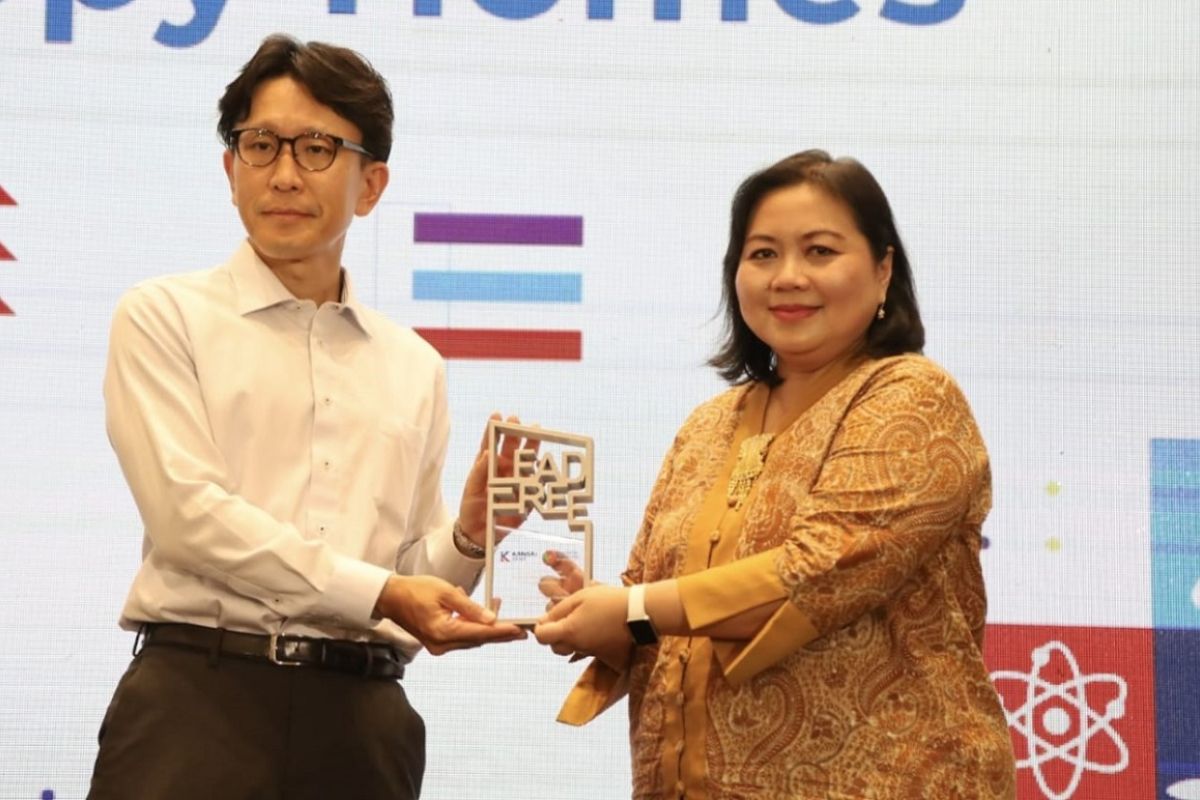
Jakarta (ANTARA) - The domestic paint industry has expressed its commitment to producing lead-free products as an effort to support health and safety aspects for consumers.
President Director of PT Kansai Prakarsa Coatings, Takahiko Tsuda, stated that the company offers lead-free paint solutions across its entire product portfolio, both for the retail segment and B2B (business-to-business) industrial needs, as a step to ensure that every product is not only of high quality but also safer for society.
“We believe that paint not only serves to beautify but also contributes to a sense of safety, comfort, and quality of life for the community,” he said in his statement in Jakarta on Friday.
To that end, Takahiko assured that all lead-free paint solutions provided by the company meet national standards (SNI) and refer to international best practices.
This is reinforced through SNI certification for Solvent-Based Decorative Paint, which has adopted the national lead content limit of 90 ppm (parts per million), in line with World Health Organization (WHO) recommendations.
“This commitment not only helps society enjoy healthier and more comfortable living spaces but also encourages more responsible industrial practices,” he said.
Previously, the Head of the Agency for Standards and Industrial Services Policy (BSKJI), Ministry of Industry, Emmy Suryandari, stated that the downstream chemical industry, including the paint and coatings sector, is one of the strategic sectors that continues to show positive growth in Indonesia.
In 2025, she added, the national paint industry has an installed capacity of 1.5 million MT (metric tons) per year and absorbs 36,000 workers, with domestic market demand potential exceeding 1 million MT.
To maintain that industry growth, according to her, aspects of product quality and safety are becoming increasingly important to ensure industrial sustainability as well as public protection.
She stated that the government is committed to encouraging an industry that is not only competitive but also responsible through the implementation of appropriate standards and policies.
“The application of standards and restrictions on hazardous materials is an important foundation in protecting society,” she said.
Therefore, her side appreciates the steps taken by industry players who continue to innovate in delivering safer products as a real contribution to creating better buildings and environments for society.
Program Manager of the Lead Exposure Elimination Project (LEEP), an international organisation collaborating with the government and foreign paint manufacturers to support the transition to lead-free paint, Ivan Mahardika, stated that lead exposure remains a major concern in environmental health issues, particularly for children’s growth and development.
Lead-free paint production can be carried out by companies and is an important step to keep homes and buildings safe for everyone.
“We welcome the positive initiatives from various Indonesian paint producers who are committed to producing lead-free paint,” he said.