
Paediatrician: Train children to fast through fun challenges
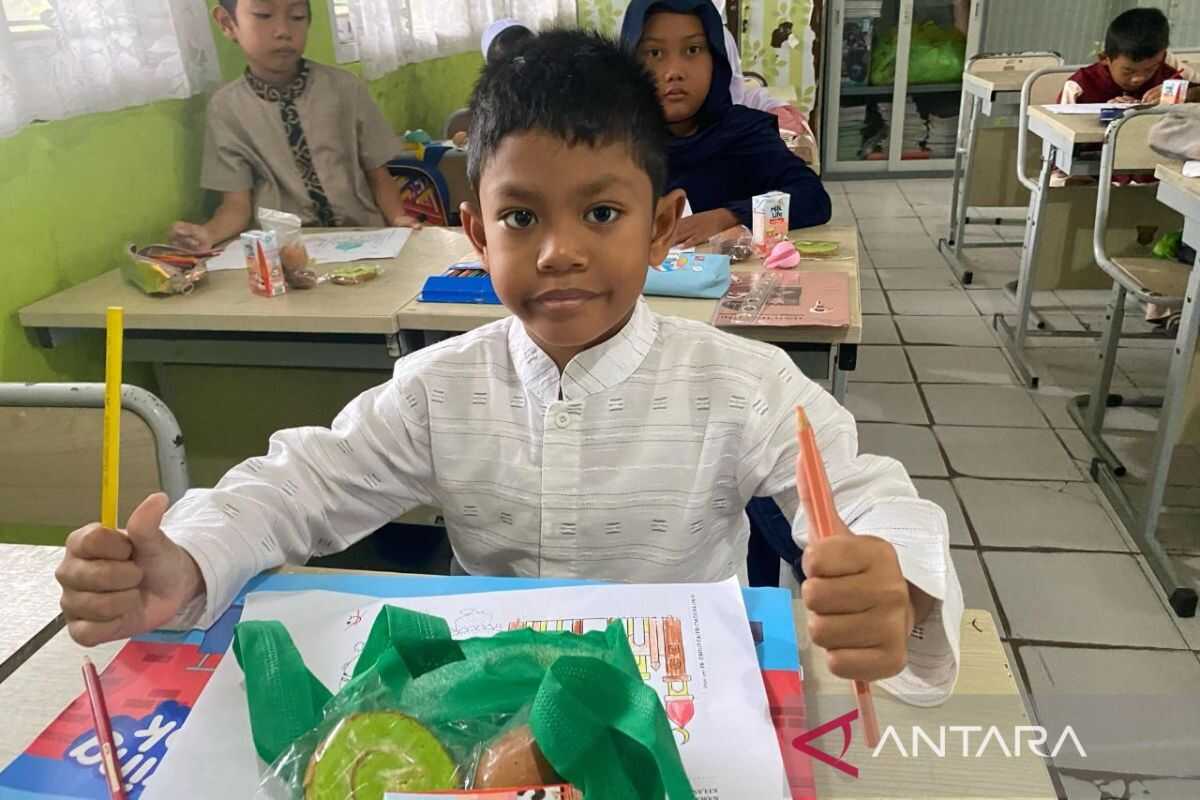
Children tend to enjoy challenges, so parents can frame a month of fasting as an exciting mission, paediatrician Dr Wilda said in Samarinda on Friday.
Parents can begin introducing the pre-dawn meal atmosphere early, when a child is between three and four years old. By the age of five to six, children have developed sufficient self-control to attempt half-day fasts. Beyond simply enduring hunger, the practice carries long-term psychological benefits such as training children’s emotional regulation.
According to Dr Wilda, children also learn to cultivate gratitude, social awareness and discipline through the structured routine from the pre-dawn meal through to breaking the fast.
“Tolerance of discomfort during fasting will build a child’s fighting spirit and mental resilience for the future,” she said.
However, parents must always be alert to the risk of hypoglycaemia, as children have smaller sugar reserves than adults. Hydration status must also be monitored by checking the frequency of a child’s urination every six hours.
Dr Wilda recommended a drinking pattern of two glasses when breaking the fast, four glasses in the evening, and two glasses at the pre-dawn meal.
For children with medical conditions such as type one diabetes, fasting is still permitted provided blood sugar levels are strictly controlled. Parents are also obliged to communicate such medical conditions to the school so that the child is not forced to fast for the full day.
“Based on existing medical research, fasting has been shown not to impair children’s cognitive function or learning ability at school,” Dr Wilda explained.
Given that the main issue during Ramadan is sleep deprivation, children must still receive nine to eleven hours of rest per day.
“Giving small rewards is perfectly acceptable to motivate children to enthusiastically learn to fast during this holy month,” she said.