
Padil and the Annual Tradition: A Retiree Dedicated to Eid al-Adha Slaughter
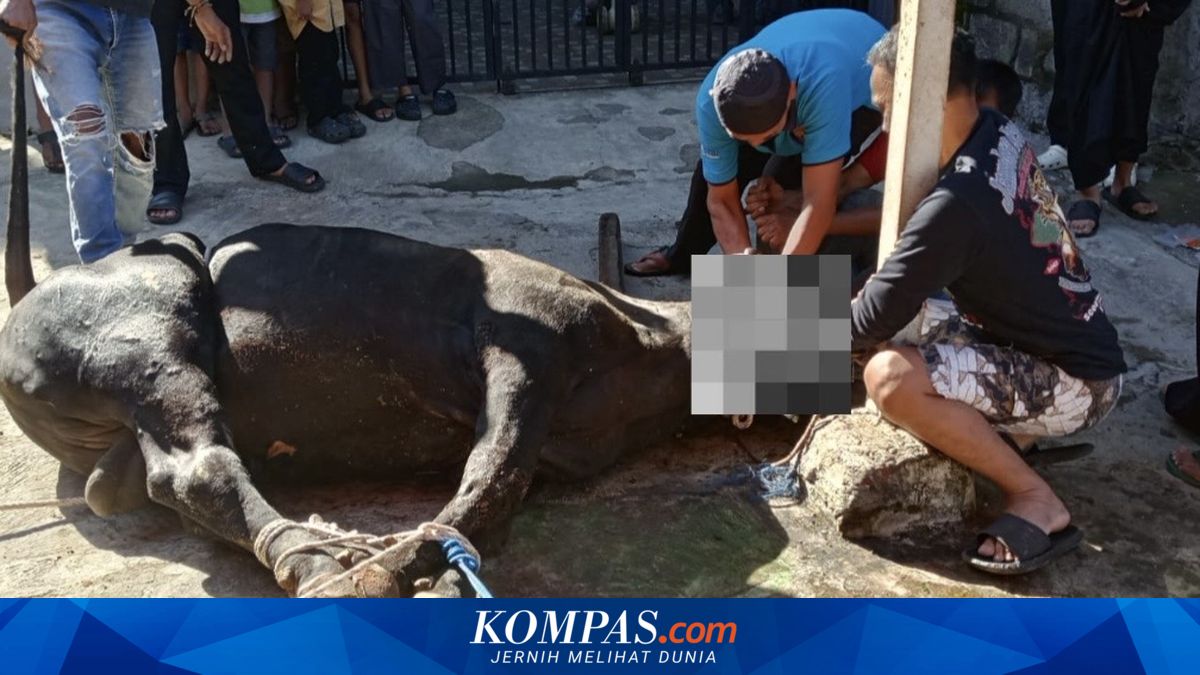
The sound of takbir echoes across a residential field in Semplak, West Bogor, on Wednesday, 27 May 2026. Residents have gathered since morning to witness the sacrificial animal slaughter for Eid al-Adha 2026. Children stand in the front row while adults cluster around the cattle and goats awaiting slaughter. His hands deftly pull the rope tied around a cow’s legs. Sweat soaks his shirt, worn since early morning. With trained strength, he and his colleagues slowly bring down the large cow until it lies on the ground before slaughter. To locals, Padil appears a professional butcher. His movements are calm, swift, and nearly effortless when handling hundreds-of-kilogram sacrificial cattle. Yet, this task is one he undertakes only once a year during Eid al-Adha. Padil, a retiree from a government office in Depok, West Java, is now retired. His days are spent helping his wife sell goods, caring for his grandchildren, and enjoying retirement with family. Eid al-Adha marks his busiest time of the year. He rises before dawn to attend Eid prayers, then prepares for the nearby animal slaughter site. His preparations include sharpening knives and digging blood drainage pits, tasks completed well in advance. He also brings his own rope, typically used to bring down cattle during slaughter.