
Padel Courts in Residential Areas Must Close by 8pm and Install Soundproofing
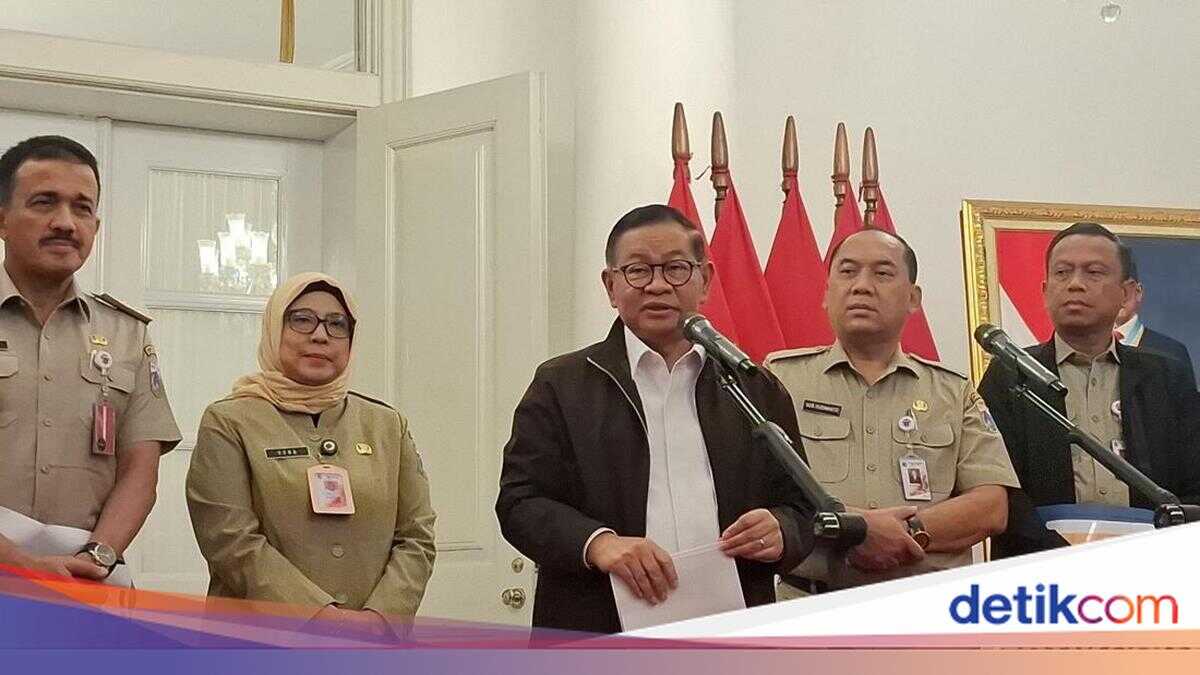
Jakarta Governor Pramono Anung has restricted the operating hours of padel courts located in residential areas. Padel facilities in residential neighbourhoods will only be permitted to operate until 8pm at the latest and must be fitted with soundproofing.
The policy was decided during a limited meeting at Jakarta City Hall on Tuesday (24/2/2026), specifically convened to address the regulation of padel courts in the capital.
“For all padel courts in residential areas, the maximum is 8pm. That is the maximum — the final time will depend on negotiations with local residents,” Pramono said.
He explained that even operators who already hold Building Approval Permits (PBG) must comply with the new operating hour restrictions. The DKI Jakarta provincial government has also instructed mayors, sub-district heads and village heads to conduct dialogue with local residents.
Beyond operating hours, noise has become the primary concern. Pramono noted that many residents had lodged complaints about the sound of bouncing balls and players shouting, which they deemed disruptive to their comfort.
“If a padel court generates noise from bouncing balls and shouting that disturbs the community, then soundproofing must be installed,” he stressed.
Noise is not the only issue — illegal parking has also emerged as a dominant complaint. According to Pramono, many players arrive in private cars and park their vehicles on residential roads due to insufficient parking facilities.
“This parking situation is very disruptive to residents. We will also bring this under control,” he said.
Preliminary data from the DKI Jakarta provincial government records 397 padel courts across the city. Authorities are currently investigating how many hold complete permits and how many lack a PBG.
Regarding new construction, Pramono affirmed that padel courts will no longer be permitted in residential zones. New permits will only be issued for commercial areas and must first obtain technical approval from the Youth and Sports Agency.
“We want clear regulation so that sporting hobbies can continue, but residents’ comfort is also protected,” he concluded.