
Oxygen crisis threatens freshwater ecosystems' web of life
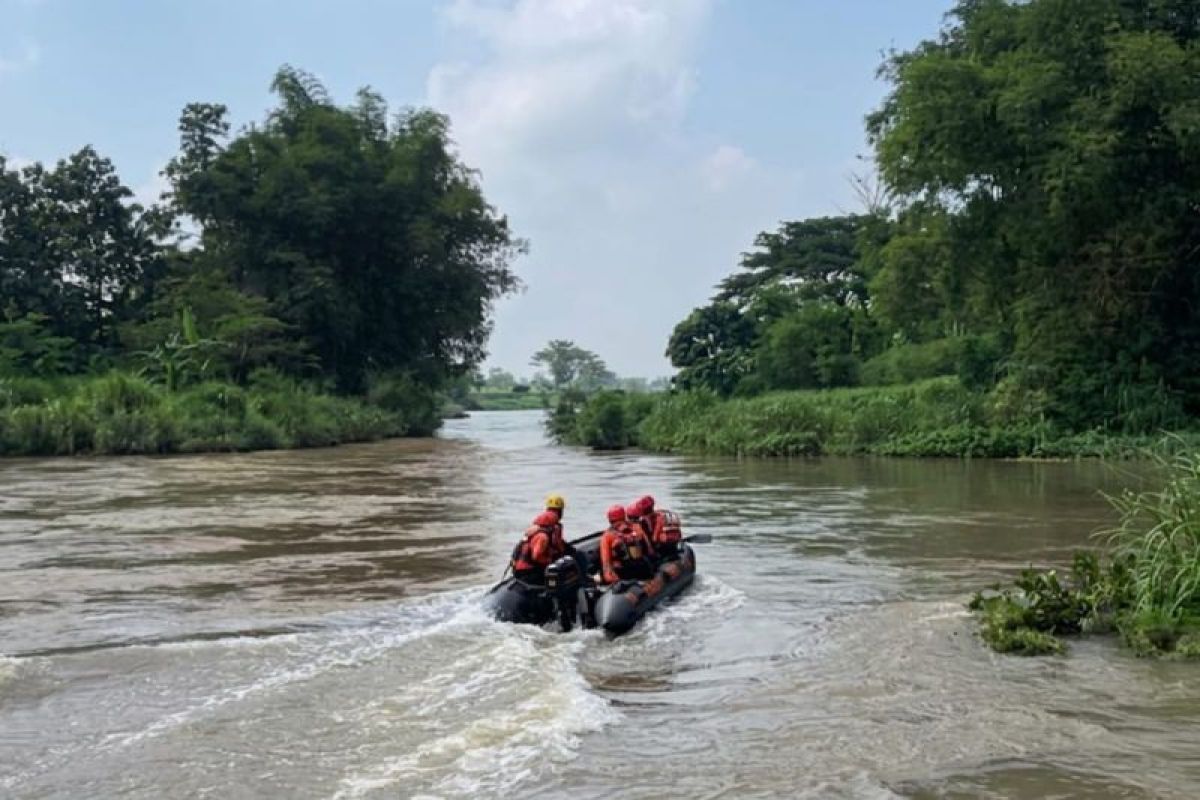
Within their flow, rivers do not only carry water but also the consequences of all human decisions on land, both wise and reckless. Rivers are dynamic ecological systems highly vulnerable to external environmental pressures. Fish in rivers act as ecosystem anchors, serving as both predators and prey to maintain food chain balance. A decline in fish populations signals a looming danger beneath the water’s surface. Fish are honest bioindicators. Their sensitivity to water quality means their presence or absence serves as nature’s language, informing us whether aquatic ecosystems are healthy or troubled. Scientific studies indicate that rivers worldwide are consistently warming as global air temperatures rise. While the surface increase may seem small—around 1 to 2 degrees Celsius in long-term observations—in river ecosystems, even minor changes carry significant implications. Warmer river water reduces dissolved oxygen levels, accelerates aquatic organisms’ metabolism, and at certain points heightens the risk of physiological stress and death in temperature-sensitive species. Such vulnerabilities are increasingly evident in shallow rivers losing natural shade due to riparian vegetation degradation, land clearing, and upstream land use changes. Without tree cover along riverbanks, sunlight directly heats the water surface, accelerating warming, especially during longer and drier dry seasons. In tropical regions, river warming occurs more rapidly given their naturally warmer baseline conditions. This narrows the thermal tolerance of many river organisms while increasing the frequency of extreme temperature events. Oxygen supply crisis.