
Oxford Scientists Develop New Ebola Vaccine Ready for Clinical Trials in Months
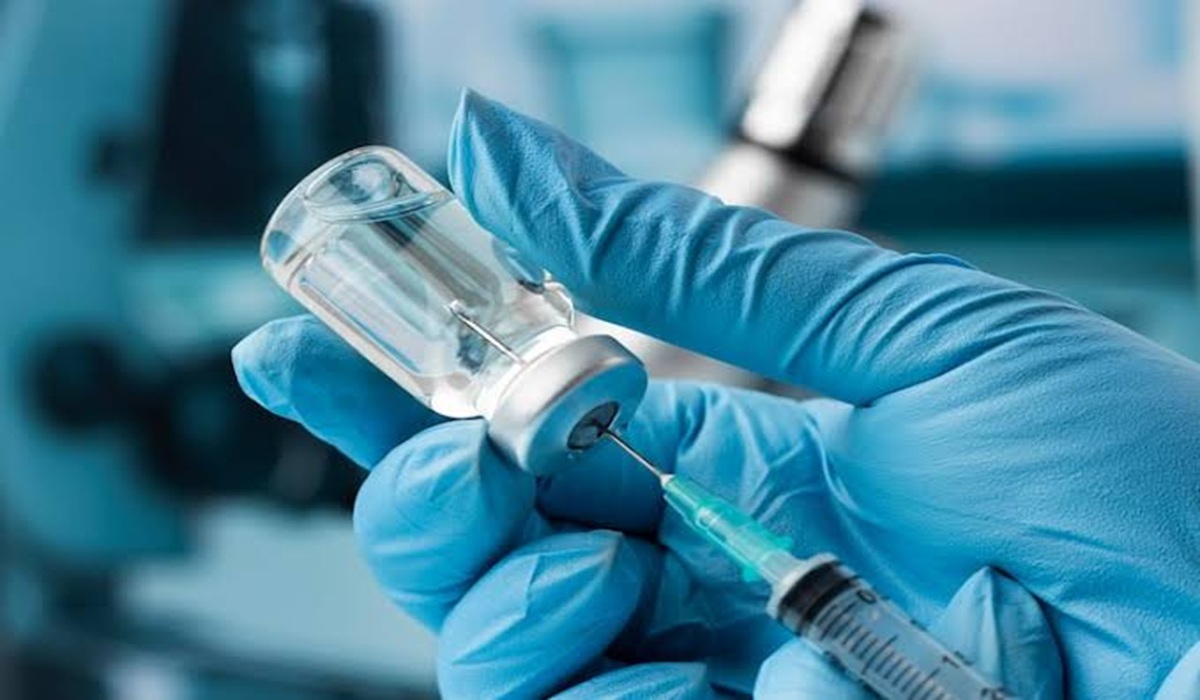
A team of scientists from the University of Oxford in the UK is developing a new vaccine for the current Ebola outbreak in the Democratic Republic of Congo. The vaccine is expected to enter clinical trials within two to three months.
The development is a response to rising Ebola cases caused by the rare Bundibugyo virus strain. So far, the outbreak has led to hundreds of suspected infections and over 100 deaths.
The World Health Organization (WHO) has escalated the risk level for the outbreak in the DRC from “high” to “very high”, though it has stated the situation does not yet constitute a global pandemic.
Using Technology from the Covid-19 Pandemic
The new Ebola vaccine is developed using the ChAdOx1 technology, the same platform Oxford’s team used for the Covid-19 vaccine.
This technology is known for its flexibility, allowing rapid adaptation to combat various viruses. During the Covid-19 pandemic, it used the coronavirus’s genetic code; now, scientists have inserted the genetic code of the Bundibugyo Ebola strain.
The vaccine employs a mild flu virus typically affecting chimpanzees, which has been genetically engineered to be safe for humans.
After modification, the virus delivers Ebola genetic material into human cells, training the immune system to recognise and fight the virus if infection occurs.
Researchers stress the vaccine does not cause Ebola or its symptoms.
Still Requires Animal and Clinical Trials
Despite its promise, the vaccine remains in early research stages. The WHO notes there is currently no animal trial data confirming its effectiveness.
Scientists must first conduct animal studies before human trials can begin. BBC reports animal testing is currently underway at Oxford.
A spokesperson for the research team said there is still considerable uncertainty about the vaccine’s results, but if trials show a positive response, it could become a strong candidate for combating Bundibugyo Ebola.
In addition to Oxford’s vaccine, another experimental vaccine for the Bundibugyo strain is in development, though it is expected to be ready for testing in six to nine months.
India Set to Become Mass Production Hub
To accelerate distribution if proven effective, the Serum Institute of India is reportedly ready to produce the Ebola vaccine in large quantities.
Oxford will supply the necessary medical materials to begin mass production.
Professor Lambe of the Oxford Vaccine Group said production can proceed swiftly once initial materials are provided.
“Once we provide the initial materials, production can ramp up quickly and at scale,” Lambe told BBC.
He added speed is critical given global concerns over the potential spread of the outbreak.
“People are worried about this outbreak. We usually have to prepare for the worst-case scenario. Hopefully contact tracing and quarantine measures are sufficient, but we must not become complacent,” he said.
Ebola has six species, but only three are known to cause major outbreaks in humans. The Bundibugyo strain is rare, having caused only two previous outbreaks: in Uganda in 2007 and the DRC in 2012.
For over a decade, this strain has rarely been detected. While a vaccine exists for the more common Ebola Zaire strain, none has been proven effective against Bundibugyo.
Unlike the widespread rollout of the Covid-19 vaccine, Ebola vaccines are typically administered via ring vaccination. This strategy targets high-risk groups such as patients’ families, close contacts, and healthcare workers, as Ebola spreads through direct contact with bodily fluids, making it more effective to focus on those most exposed. (BBC/H-4)