
OVO Records Surge in Digital Transactions During Sahur Throughout Ramadan
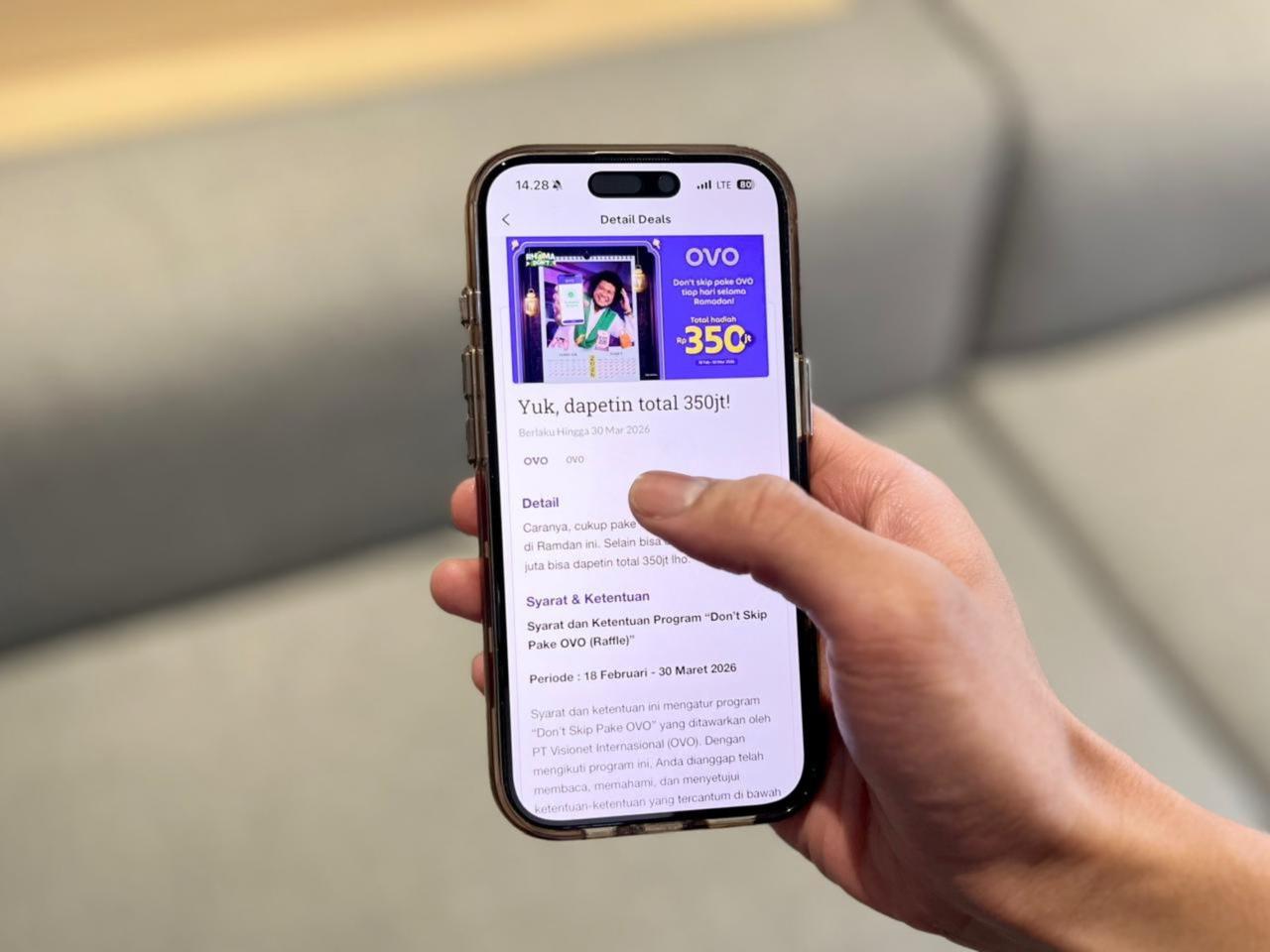
Ramadan is both a meaningful and spiritually reflective period for many Indonesians. As meal times shift and rest patterns adjust, digital activity patterns likewise follow new rhythms. OVO (PT Visionet Internasional), a leading digital payment instrument and payment service provider in Indonesia, has observed a significant shift in transaction activity patterns among the public during Ramadan.
Based on analysis of user transaction data through mid-Ramadan this year, digital activity has become increasingly concentrated during late evening hours through to sahur (pre-dawn meal). Transactions around 03.00–05.00 have increased significantly by 79% compared with periods outside Ramadan.
This pattern is consistent with trends recorded during previous Ramadans. The consistency of this transaction increase demonstrates that sahur is no longer merely a meal before fasting, but is evolving into an active period for the public to complete various digital needs, ranging from shopping and accessing entertainment to paying routine bills.
During sahur, the public’s digital activity has not only increased in transaction volume but also shows changes in transaction types, with various practical necessity transactions actually becoming more active during the early morning hours. Overall, online transactions during sahur increased by up to 76%, driven by e-commerce shopping activity that doubled.
Mobile credit purchases and bill payments, for instance, increased by more than double compared with periods outside Ramadan. Users also use sahur time to enjoy brief entertainment before carrying out their daily activities. Game voucher purchases increased by 58%, whilst digital entertainment services surged by 36%.
“Observing these changes, OVO presents various promotions during sahur and transaction convenience so users can utilise the early morning hours not only for eating sahur but also for completing digital needs practically,” said OVO Chief Operating Officer Eddie Martono.
Public preferences for food during sahur also show an interesting pattern. Dining activity at various food and beverage outlets increased fourfold, with traditional Indonesian food stalls (Warteg, Warmindo, and Warkop) becoming the primary choice. In terms of online food ordering through GrabFood using OVO as the payment method, various chicken dishes and rice packages such as fried rice became the most popular choices.
This pattern shows the public tends to choose familiar, practical, and filling dishes to begin the day while fasting.
Towards breaking the fast between 16.00 and 18.00, public consumption activity increases again. The public increasingly uses digital payment for breaking fast preparations. At various food and beverage outlets, payment transactions using OVO for purchasing food and drinks increased significantly, dominating approximately 42% of all transactions, reflecting high public activity during ngabuburit (the period before sunset) before breaking fast.
In fact, the number of offline transactions at food and beverage outlets was approximately 3.5 times higher compared with online transactions during the same period. The most purchased items include dim sum, martabak, and various fried snacks. Beverages such as coffee and tea also became favourites to complement the breaking fast moment.