
Overloaded Ice-Carrying Motorcycles: A Hazard
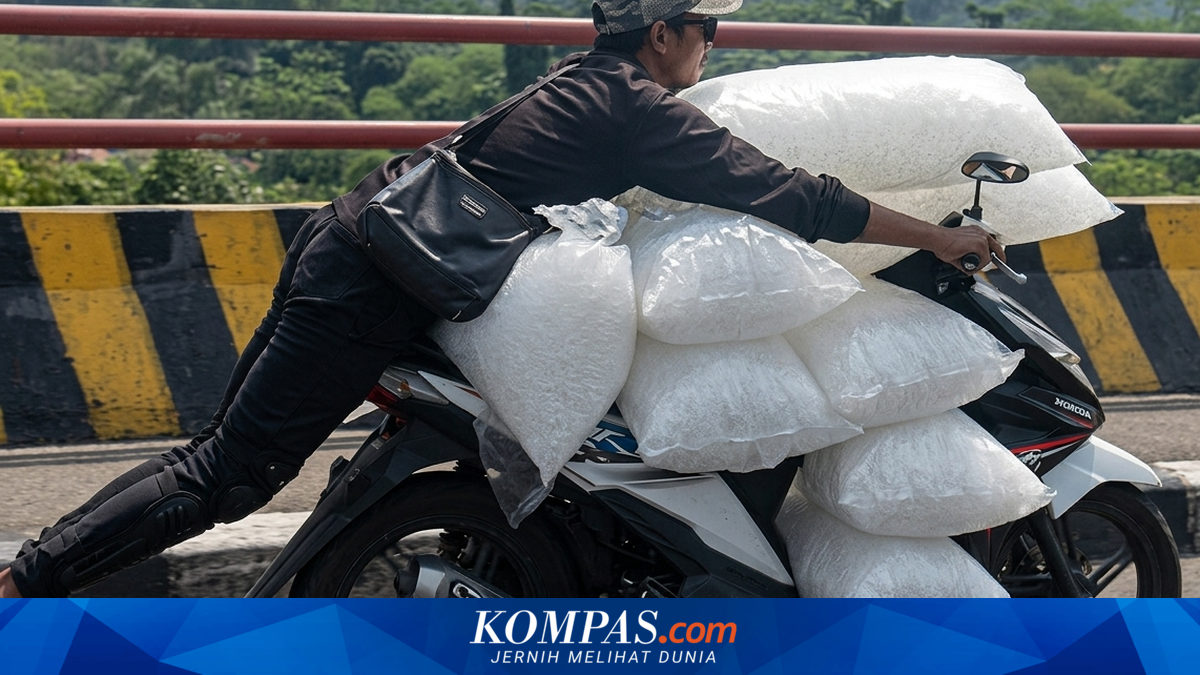
JAKARTA, KOMPAS.com - The sight of motorcycles carrying large quantities of ice remains common on various roads, especially in suburban areas. However, behind this distribution activity lies a safety risk often overlooked: water dripping from melting ice can make roads slippery.
The Indonesian Motorcycle Industry Association (AISI) states that such overloaded cargo practices not only endanger the motorcycle riders themselves but also other road users.
‘Riding in this manner is extremely hazardous to oneself, others, vehicles, and even the cargo itself, ultimately leading to significant potential losses,’ Victor told Kompas.com on Wednesday (27 May 2026).
It’s not just about motorcycles appearing unsteady due to heavy loads. The continuous dripping of melted ice onto the asphalt also poses a danger, particularly for two-wheeled riders following behind.
According to Victor, overloaded and oversized loads accelerate damage to various motorcycle components, from rims and tyres to the vehicle body. Additionally, water dripping onto the road can reduce tyre grip on the asphalt surface.
‘From what I’ve seen, the riding posture is like that because of overloaded and oversized cargo. This also damages the vehicle. Moreover, water dripping onto the road can make the surface slippery,’ he explained.
The risk increases further when ice transporters pass through suburban roads with poor asphalt conditions. Bumpy, potholed, or uneven surfaces heighten the chance of skidding on wet patches. Other drivers attempting to avoid potholes may suddenly lose traction if they don’t notice slippery patches caused by melting ice.
AISI is pushing for safer distribution solutions without compromising the ice distributors’ business activities. One solution is using vehicles designed for cargo transport.
‘The solution is for ice carriers to use three-wheeled vehicles specifically designed for rear cargo, or collectively hire pickup trucks, which can carry much more safely, albeit with a slight additional cost,’ he concluded.