
Over 50% of Marine Debris Originates from Land, Posing Serious Threat to Ecosystems
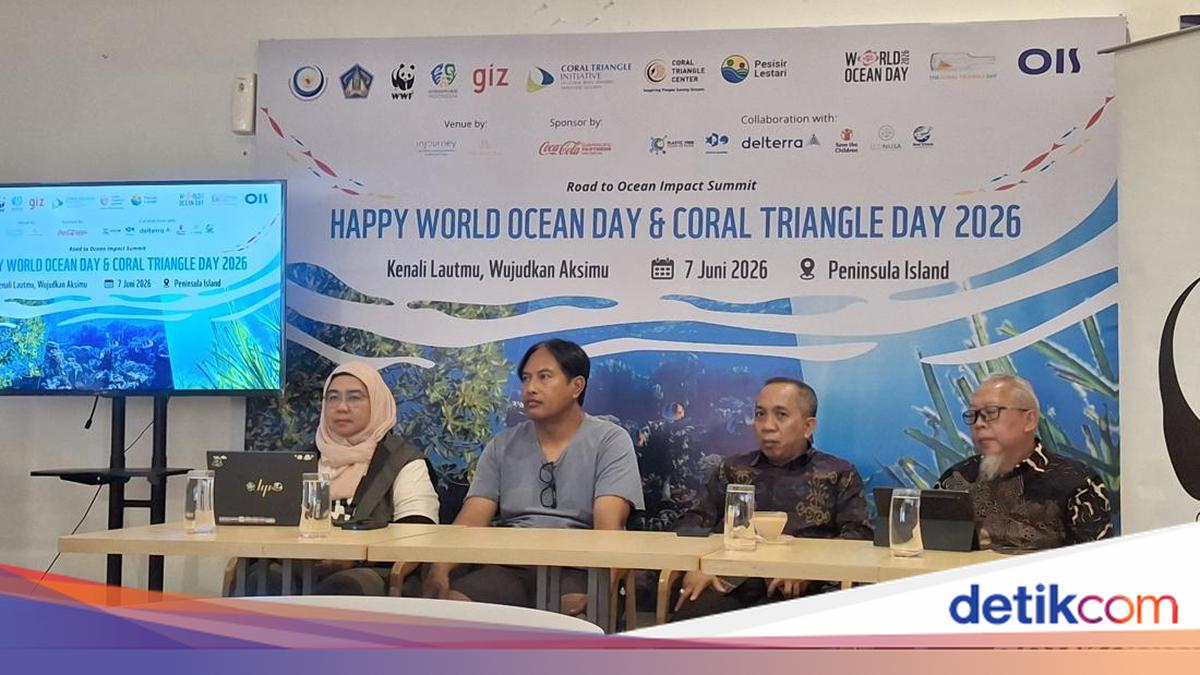
More than 50 per cent of the waste polluting the sea originates from land-based activities. This fact has become a serious concern for WWF Indonesia amid efforts to safeguard the health of the country’s increasingly pressured marine ecosystems. WWF Indonesia Conservation Director Dewi Lestari Yani Rizki stated that the majority of waste eventually ending up in the ocean comes from households and is carried by river flows to coastal areas. “From what we observe, more than 50 per cent of marine debris comes from land,” she said during a press conference for World Ocean Day & Coral Triangle Day 2026 on Friday. The most commonly found type of waste is still dominated by plastic. Besides that, other litter such as drink cans is also frequently found in waters and coastal areas. Dewi added that sources of marine debris are not only land-based but also from tourism activities, including marine tourism and cruise ships. “Often it comes from tourists travelling on cruise ships, this is where the problem lies,” she explained. In response to these conditions, WWF Indonesia is organising a series of activities to commemorate World Ocean Day and Coral Triangle Day 2026. The event is scheduled for Sunday, 7 June 2026, at Peninsula Island, starting at 9.00 a.m. Central Indonesian Time. According to Dewi, the activities are designed so that people of all ages can become closer to marine issues while understanding concrete steps to keep the ocean healthy. “How can the public get to know the ocean and also how to make the ocean healthy together? That is why there are educational booths, so that people of all ages can delve deeper,” she added. Beyond education, the event is also aimed at strengthening community capacity in protecting coastal and marine environments. Dewi stressed that a healthy ocean is an essential foundation for economic sustainability, food security, cultural preservation, and community welfare. “How we make the ocean healthy. The foundation is that the ocean is healthy, so that there is economic improvement, food security, culture is preserved, and communities are protected,” she stated. Various interactive activities will also be held, including a Marine Species Kite Festival, face painting, fun games, and educational exhibitions addressing marine conservation issues and local wisdom in protecting coastal ecosystems.