
ORI: Public complaints must be responded to properly
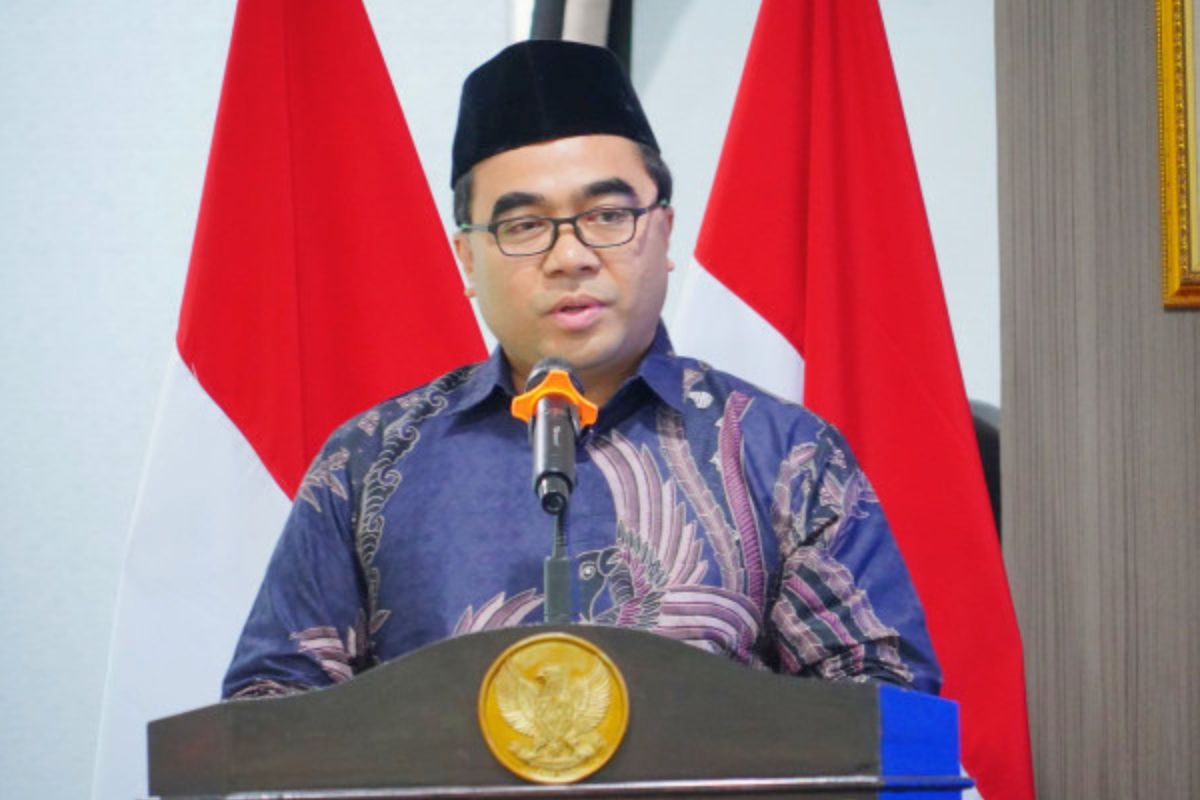
Jakarta (ANTARA) - Ombudsman RI member Abdul Ghoffar has stressed that every complaint must be responded to properly as an indicator of problems and opportunities for improving public services.
Abdul Ghoffar stated that complaints are not merely reports to be processed, but a tangible manifestation of public trust.
“When the public submits a complaint, it shows that they still believe the system can function, institutions will listen, and justice can be pursued,” said Ghoffar in a statement confirmed in Jakarta on Thursday.
The statement was delivered by Abdul Ghoffar when opening the international seminar YSEALI Reciprocal Exchange Project titled Managing Complaints: Strengthening Public Service Accountability through Effective Complaint Management in Jakarta on Wednesday (6/5).
According to him, there is currently a gap where the public often faces difficulties in submitting complaints clearly, constructively, and effectively.
However, on the other hand, according to Abdul Ghoffar, public service providers also face challenges in responding to complaints, especially when emotions are high, expectations are complex, and situations have the potential to escalate into conflicts.
He assessed that a good complaint management system is not only measured by the speed of response, but also by the ability to understand the problem, build communication with the complainant, and turn complaints into meaningful improvements.
Therefore, he believes that the ability to understand the characteristics of each complaint is needed because every case requires a different approach according to the context, level of urgency, and various parties involved.
He also emphasised three important things in handling public complaints: first, responsiveness must be meaningful, meaning that responding quickly is important, but responding appropriately is far more crucial.
Second, communication is the key to trust, where transparent, respectful, and empathetic communication can prevent misunderstandings and defuse conflicts.
Third, according to him, complaints must result in improvements, meaning every complaint should contribute to better policies, procedures, and services.
On the same occasion, Jennifer Croft, representative from Ombudsman Portland, stated that in dealing with complainants in challenging conditions or emotions, an approach is needed that is not only procedural but also humane.
“It is important to uphold principles such as understanding power dynamics, giving space for complainants to be heard, and preserving their dignity,” said Jennifer.
Meanwhile, Patnuaji Agus Indrarto, Head of the Main Assistant for Public Complaints at Ombudsman RI, emphasised the importance of quick and humane responses to every complaint.
He said that complaints should be utilised as material for evaluation and system improvement, with the ultimate goal of enhancing the quality of services for the public.