
Organic Waste Ban Overwhelms Flower Sellers in Denpasar
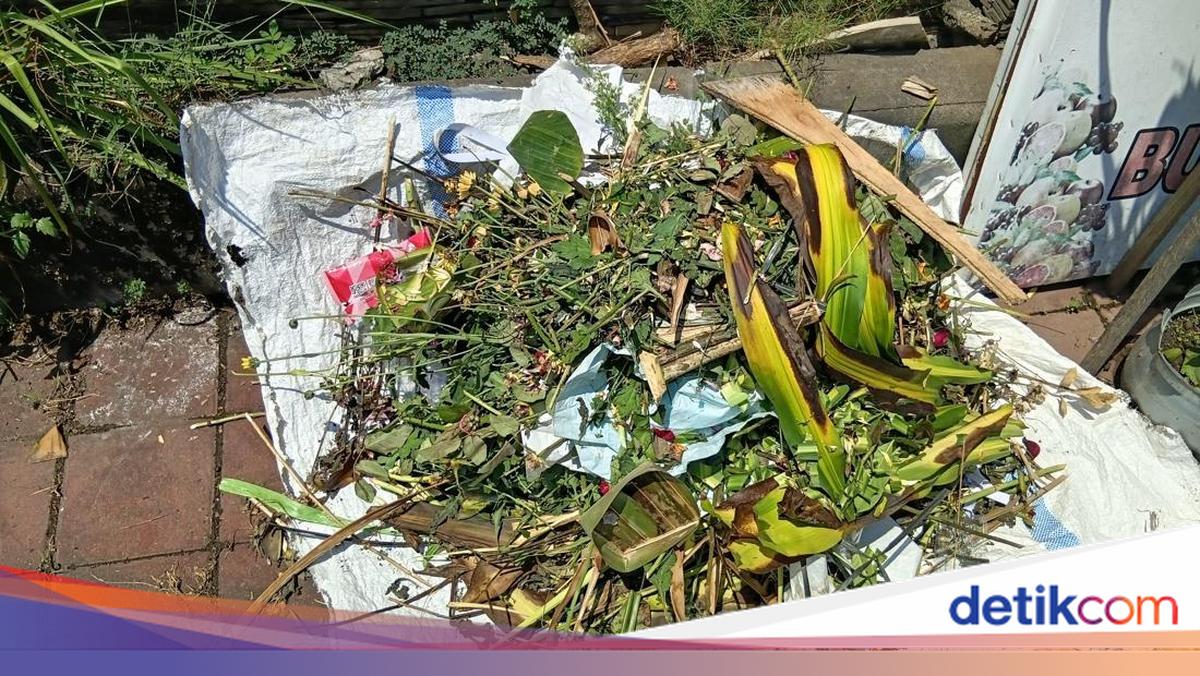
The ban on disposing organic waste at the Suwung landfill from April 2026 is beginning to hit small businesses in Denpasar hard. Flower sellers are among those most affected due to the daily accumulation of waste.
Owner of Sila Florist, Komang, admits she has to think creatively every day to prevent leftover flowers from piling up in her shop. She learned about the policy from village officials.
“This organic waste disposal ban policy starts around April. Someone from the village informed me,” said Komang when met on Thursday (9/4/2026).
Every day, Komang processes leftover flowers such as leaves and stems that are not used in a simple manner. This is done to prevent waste from accumulating.
“For now, I chop them small and put them in flower pots. Sometimes I dry them first,” she said.
In a day, she estimates the organic waste from her business reaches one 20-litre paint bucket. This situation requires her to routinely process the organic waste.
However, limited space is the main obstacle. She has not been able to use processing equipment like a composter because her business premises are still rented.
“I haven’t used a composter yet; I’m still renting, so it’s difficult,” said Komang.
If the waste piles up too much and cannot be contained, Komang admits she is forced to burn it after drying it.
Similar conditions are experienced by other flower sellers. They too struggle to process the organic waste produced daily, especially when flowers do not sell.
“Among fellow flower sellers, yes, we’re all puzzled; if they don’t sell, they’re discarded,” she added.
The sellers hope the government can provide solutions so this issue does not drag on, including providing adequate waste processing equipment.
“The government should be more prepared. For example, providing processing machines, separating plastic and organic,” she emphasised.