
Optimising MBG for Pregnant Women and Young Children
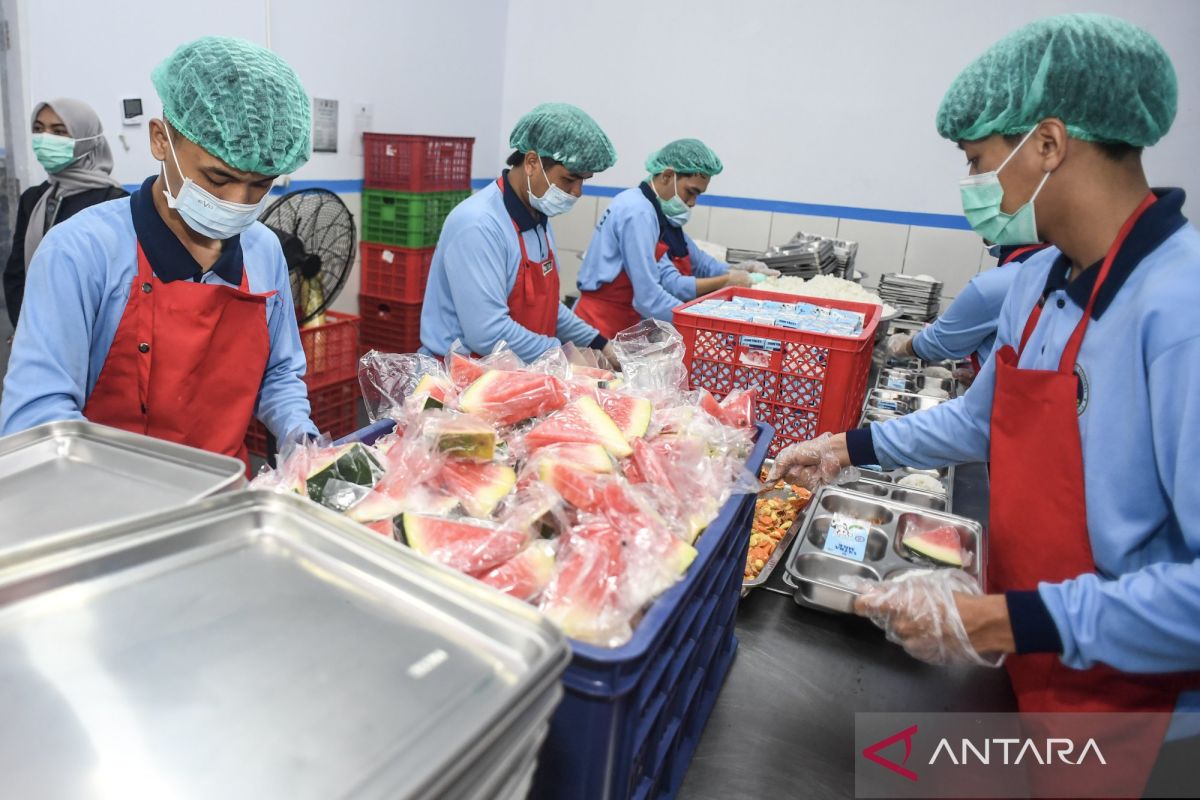
Jakarta (ANTARA) - That morning in a corner of Mekarsari, Cimanggis, Depok City, West Java, the small steps of women in the Family Companion Group carried profound significance. Known as the Ocan or Beautiful Ojek squad, they collected food from the Nutrition Fulfilment Service Unit (SPPG) to distribute it to pregnant women and young children. This seemingly simple activity illustrates a crucial point: the state is present, reaching the most basic levels of community life, ensuring that future generations receive a proper foundation from the earliest stages. The Free Nutritious Meals programme, or MBG, proposed by the Prabowo-Gibran government, is not merely a food aid policy but a grand strategy to address the serious challenge of stunting in Indonesia. Stunting is not just about suboptimal height but also involves brain development, long-term health, and human resource quality. When stunting occurs, its impact extends beyond the individual to affect the nation’s competitiveness in the future. At this juncture, honesty is needed: providing nutritious food alone is insufficient. If Indonesia truly wants to realise the Golden Indonesia 2045 vision, with a healthy, intelligent, resilient, and characterful generation, the approach must be far more comprehensive. Nutrition is the foundation, but not the sole determinant of child growth and development. Without nutritional education, lifestyle changes, and proper stimulation, even the best food will not yield optimal results. One fundamental issue often overlooked is the low level of nutritional literacy in society. Many families can actually provide nutritious food but do not understand the nutritional composition needed by the body. Eating patterns are often determined by feelings of fullness or mere preference, not nutritional balance. In this context, the MBG programme must be viewed as an entry point for broader education, not just food distribution. Simple and practical nutritional education needs to be strengthened, starting from the importance of protein, vegetables, fruits, to adequate water intake. Moreover, society needs to be introduced to the potential of affordable local foods that are highly nutritious, such as tempeh, eggs, fish, moringa leaves, and nuts. With this approach, nutritional resilience does not depend entirely on government programmes but grows from societal awareness itself. Sedentary lifestyle On the other hand, the challenges of modern lifestyles cannot be ignored. Excessive exposure to gadgets and digital content makes children increasingly inactive, sleep-deprived, and vulnerable to developmental disorders. This sedentary lifestyle, or minimal physical activity, poses a new threat that is often unnoticed. Therefore, the MBG programme must go hand-in-hand with healthy lifestyle education, encouraging children to be active, play outdoors, and get sufficient rest. Furthermore, child development is not determined solely by nutritional intake and physical activity but also by appropriate brain stimulation. From ages 0 to 6, a child’s brain develops rapidly and is highly sensitive to environmental stimuli. Without adequate stimulation, a child’s intellectual potential will not develop optimally, even if nutritional needs are met. This is an important fact often overlooked. The stimulation in question does not have to be complex or expensive. Simple activities, such as talking to the child, reading stories, singing, or role-playing, have a significant impact on cognitive, emotional, and social development. Even, warm daily interactions between parents and children are key factors in shaping intelligence as well as character. Thus, the use of the mother tongue also plays a very important role. Amid globalisation that pushes early mastery of foreign languages, many parents forget that the foundation of the mother tongue is the primary key to child cognitive development.