
Optimising Docks Deemed Essential to Address Eid Transport Congestion
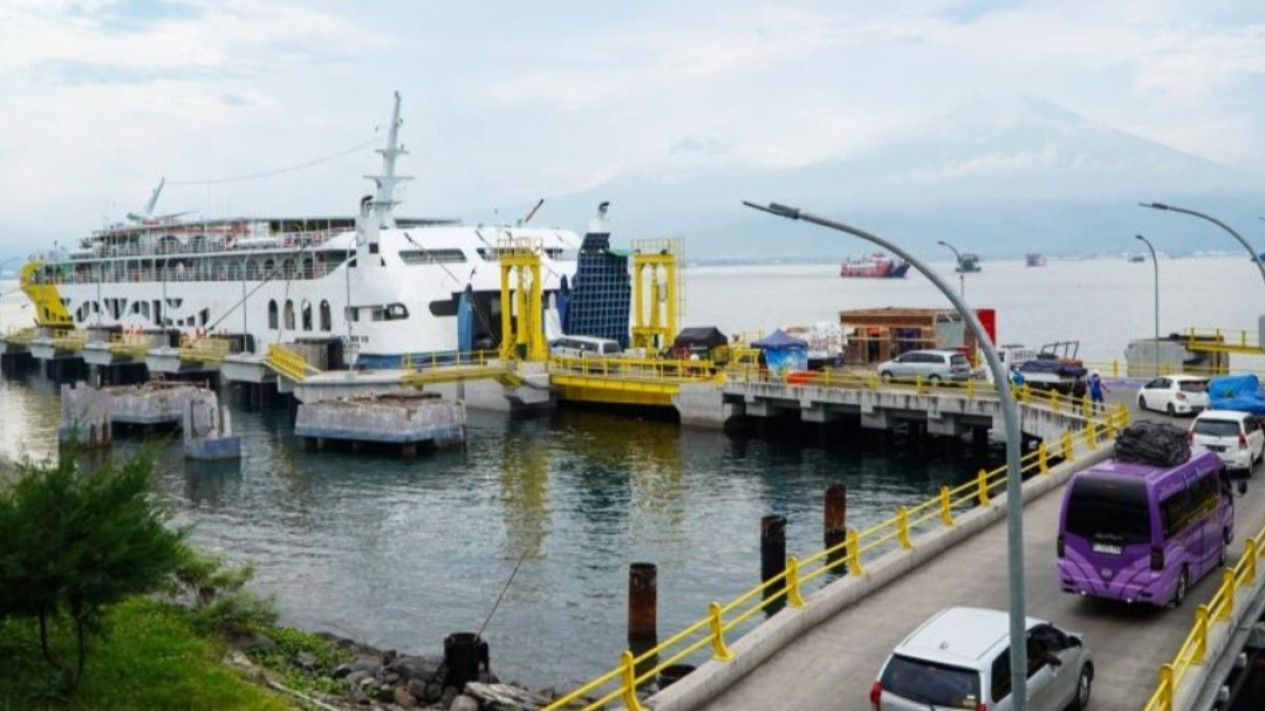
The Central Leadership Council of the National Association of River, Lake, and Ferry Entrepreneurs (Gapasdap) assesses that the congestion occurring during the 2026 Eid transport on several major routes is not caused by a lack of ships, but rather by limitations in dock infrastructure. Gapasdap General Chairman Khoiri Soetomo stated that an evaluation of the Eid transport organisation, particularly on the Merak-Bakauheni and Ketapang-Gilimanuk routes, shows an imbalance between the number of ships and dock capacity. Nevertheless, he appreciates the hard work of various parties such as the Ministry of Transportation (Kemenhub), the National Traffic Police Corps (Korlantas Polri), ASDP Indonesia Ferry, KSOP, BPTD, and ship operators who have worked maximally during the Eid period. However, Gapasdap assesses that the implemented system is still not optimal. Some issues highlighted include overly rigid policies, uneven traffic distribution, and limitations in port infrastructure. “The forward approach must be more flexible, adaptive, and based on real-time conditions,” he said on Wednesday, 1 April 2026. On the Merak-Bakauheni route, around 74 ships have operating permits, but the ideal capacity is only about 28 ships per day. This means more than 40 ships do not operate every day. Meanwhile, for the Ketapang-Gilimanuk route, out of around 56 available ships, only about 28 ships can operate optimally. Even when the number of ships is increased to 40 units, the situation does not improve. “Waiting time for docking becomes longer, more ships float at sea, the number of trips decreases, and passengers experience discomfort,” he explained. Khoiri also highlighted various sacrifices made by operators, from not raising fares and even giving discounts, to bearing losses due to the Arrive-Unload-Depart (TBB) policy and longer operating distances. However, these efforts are deemed not to have resulted in optimal smoothness, making them ineffective overall. Field conditions show various serious impacts, such as long congestion at port access, vehicle build-up, suboptimal ship utilisation, and discomfort for service users. In addition, ship operators also face economic pressures due to the inefficient system. To address these issues, Gapasdap provides several strategic recommendations, including: