
Optimising Child Development, KPPPA Emphasises Multi-Stakeholder Collaboration
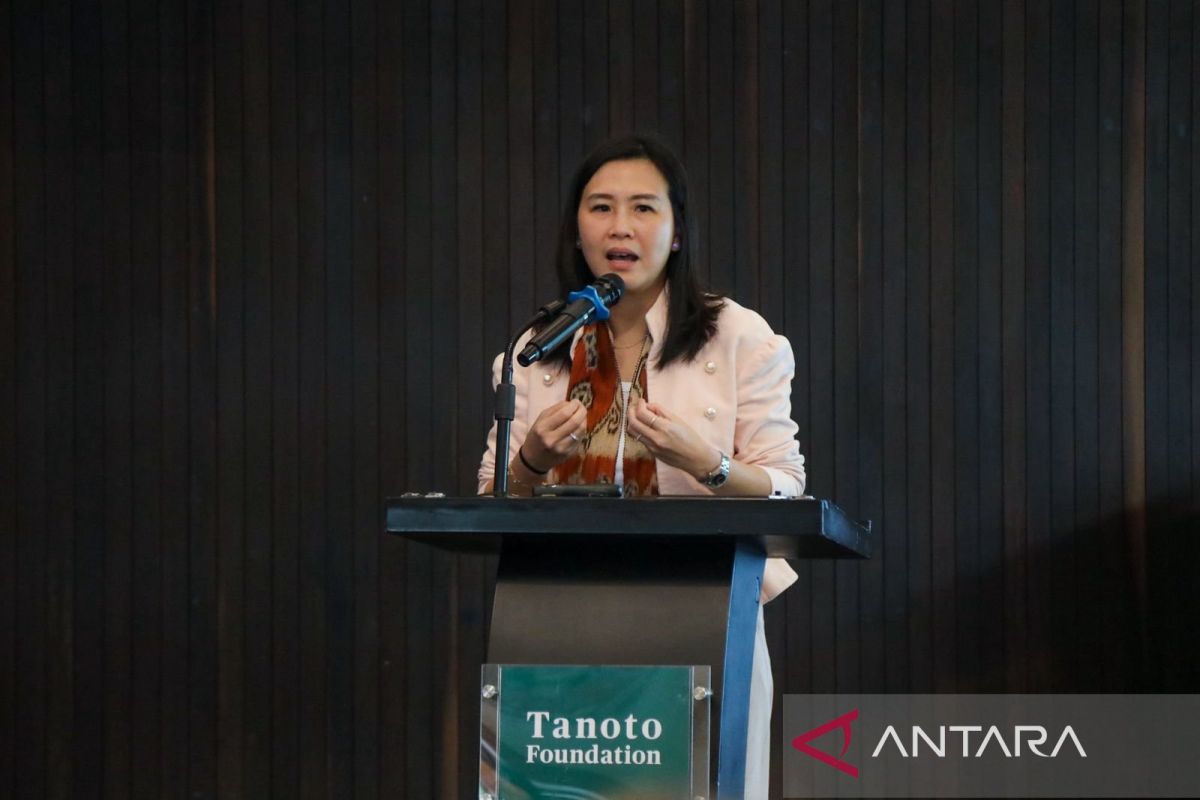
Jakarta (ANTARA) - Deputy Minister for Women’s Empowerment and Child Protection (Wamen PPPA) Veronica Tan emphasised the importance of strengthening synergy and multi-stakeholder collaboration to support optimal early childhood development as a strategic foundation for Indonesia’s development.
“I invite all parties, from government, society, business, to philanthropy, to strengthen collaboration in building a child development ecosystem. The future of Indonesian children can only be realised through integrated joint actions, focusing on strengthening childcare, nutrition, family resilience, and a safe environment,” she said in Jakarta on Thursday.
She made this statement at the “Executive Roundtable: Catalyzing an ECED Collaborative for Indonesia” event organised by the Tanoto Foundation.
She stated that efforts to improve child quality cannot be done partially but must be integrated across sectors, from childcare, health, education, to protection.
“If we are serious about building Indonesia’s future, then we must seriously invest in the early stages of a child’s life,” she said.
This, she said, makes investment in early childhood not only a social agenda but also an important strategy in long-term economic development.
“However, Indonesia still faces many challenges such as stunting, limited access to education services, and weak childcare environments. In addition, a still fragmented system remains an obstacle in providing optimal services for children,” said Veronica Tan.
Chief Executive Officer (CEO) of the Tanoto Foundation, Benny Lee, stated that Indonesia currently has around 31 million early childhood children who are the main determinants of the nation’s future, both in terms of economic development and global competitiveness.
However, major challenges are still faced, starting from high malnutrition rates.
His side noted that nearly one in five children experience stunting to low access to basic services, such as immunisation and early childhood education.
This condition causes many children to enter school without adequate cognitive and social readiness.
He mentioned that the first 1,000 days of life are the main foundation for learning, productivity, and well-being in the future.
Therefore, he said, integrated steps are needed through cross-sector collaboration to align investments, strengthen coordination, and drive transformation from separate programmes into a national early childhood development strategy in Indonesia.