
Optimisation of Subsidised Fuel to Strengthen National Mobility and Logistics Distribution
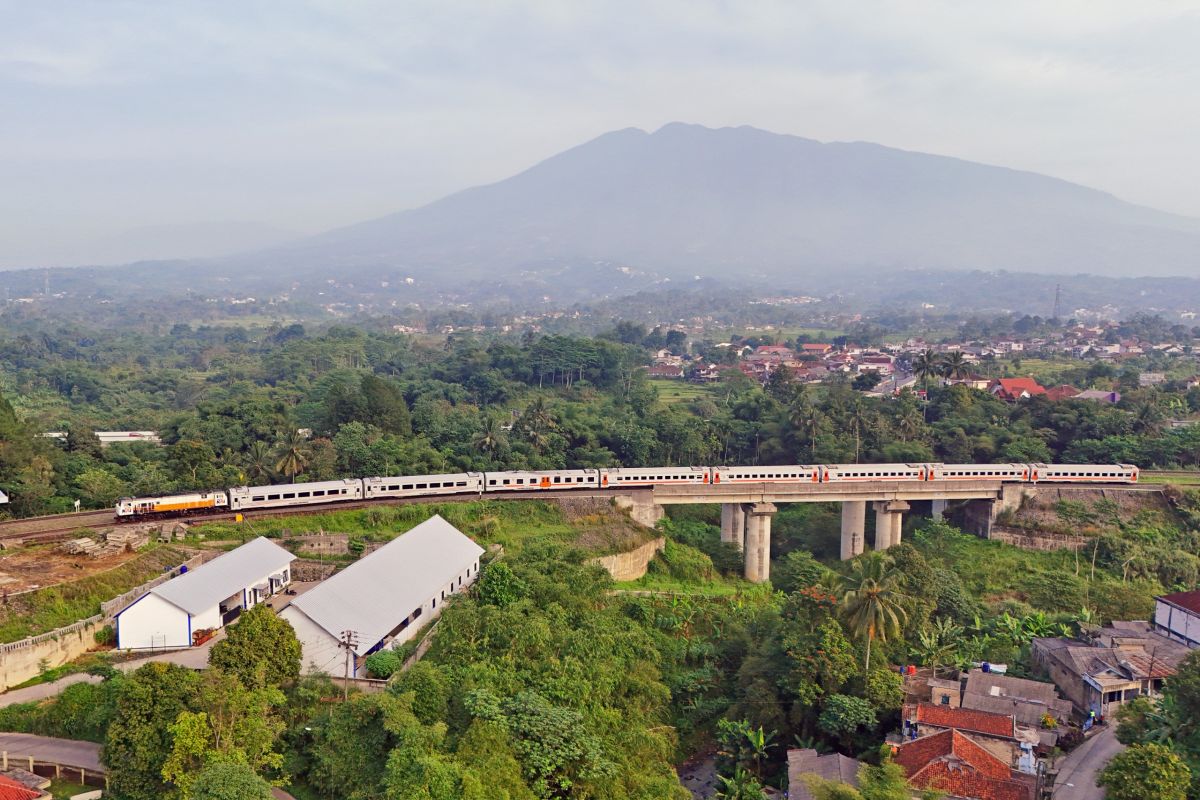
Energy use is measured through strengthened governance of operations, enhanced efficiency in mass transit, and support for community connectivity. Amid rising demand for mobility and national logistic distribution, PT Kereta Api Indonesia (Persero) continues to optimise the use of subsidised BBM in a measured manner to support public transport services that are safe, affordable, and sustainable. As of 09:20 WIB on 18 May 2026, realisation of subsidised BBM usage by KAI stood at 83,915,377 litres, or 39.15% of the total quota granted by the government of 214,342,000 litres for 2026. This achievement reflects optimal energy management amid high levels of passenger and goods railway operations that serve daily mobility and the distribution of various national strategic commodities. Vice President Corporate Communication KAI Anne Purba said optimising subsidised BBM usage is part of strengthening corporate governance that is accountable, effective, and oriented toward public benefit. “Pemanfaatan BBM subsidi dikelola secara terukur agar memberikan manfaat sebesar-besarnya bagi masyarakat. KAI terus menjaga keseimbangan antara kebutuhan operasional, efisiensi energi, kualitas layanan, dan kontribusi terhadap kelancaran distribusi nasional,” ujar Anne. Between January and April 2026, KAI served 19,218,440 customers on the long-distance and local rail services managed by KAI, up from 17,709,669 customers in the same period in 2025. This growth indicates increasing public confidence in rail-based mass transit as a mode capable of supporting intercity mobility more effectively. In addition to serving customers, energy use in KAI operations also underpins freight transport that carries various strategic commodities such as containerised goods, cement, clinker, and parcels. The presence of freight trains helps keep the distribution chain moving through higher capacity and more measured transit times. Strengthening rail-based transport is also seen as helping reduce congestion of logistics vehicles on roads, maintain national distribution efficiency, and support a more sustainable transport system. As part of energy optimisation, KAI continues to strengthen the use of biodiesel in diesel-powered assets. Since biodiesel implementation began in daily operations, KAI, together with the government, is conducting further tests to ensure readiness of assets remains aligned with safety and reliability standards. The tests are being conducted with the Ministry of Energy and Mineral Resources and LEMIGAS through stages of fuel blending, asset condition checks, and operational testing on locomotives and power-generation trains. For locomotives, testing is conducted at Sidotopo Depot focusing on engine performance monitoring and fuel consumption. Meanwhile, testing of power-generation trains is conducted at the Yogyakarta Rail Depot through evaluations of fuel consumption and periodic inspections every 300 hours of operation. “KAI continues to ensure that all energy management processes align with safety, operational reliability, and good corporate governance. All stages are conducted gradually and measured to maintain service quality for customers,” said Anne. During 2025, biodiesel usage in long-distance KA services produced total carbon emissions of 127,315,192 kg CO₂e or about 127,000 tonnes from 47.4 million passengers. Rail-based mode also has lower emissions than private vehicles, contributing to keeping transport sector emissions more controlled. Anne added that energy management in the railway sector will continue to be directed to support regional connectivity and national productivity through increasingly efficient and sustainable public transport services. “Trains connect communities, industrial zones, distribution hubs, and economic regions every day. Therefore, optimising energy use in rail-based transport has a significant impact on national mobility, logistics smoothness, and economic growth,” concludes Anne.