
Oppo and OnePlus Smartphone Prices to Rise from 16 March
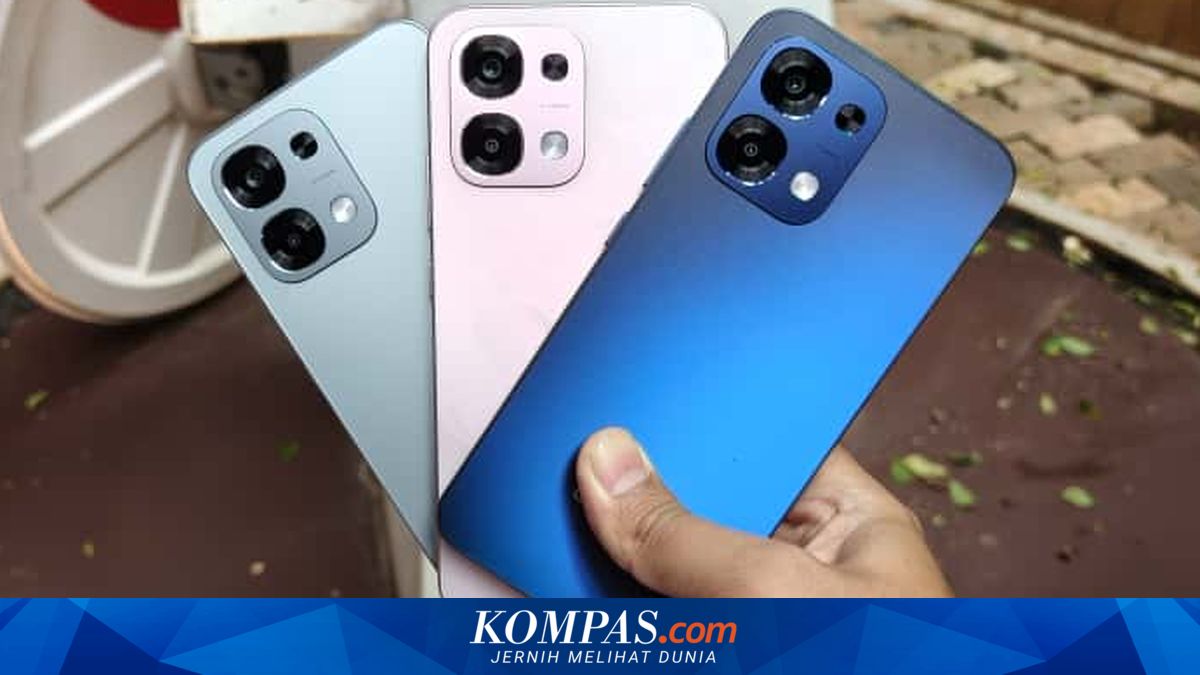
Oppo has confirmed that smartphone prices will increase in the near term. The policy was announced by Oppo through a posting on the company’s online store in China, first discovered by technology media Gizmochina.
In the post, Oppo stated that the price adjustment occurs because the smartphone manufacturer faces rising component costs, particularly regarding memory and storage. The Chinese company confirmed that the policy was adopted after careful evaluation of the increased component costs.
The price increase for Oppo smartphones will take effect on Monday, 16 March 2026. For now, the models affected by the price increase are entry-level to mid-range phones from Oppo and OnePlus. Premium phone models from the Find and Reno series are confirmed not to experience price increases, meaning their prices remain at current levels. Similarly, Oppo tablet prices are confirmed to remain unchanged.
According to Oppo, the adjustment is necessary to maintain product quality and overall user experience, as reported by KompasTekno from Gizmochina.
Not only Oppo, but several other smartphone vendors are also increasing their phone prices amid rising device component costs. In Indonesia, prices for several smartphones from Vivo and Xiaomi have increased. For example, the Vivo Y21d is now sold for 2.6 million to 3.4 million rupiah depending on the variant, whilst the Vivo Y04s has risen from 1.4 million rupiah to 1.549 million rupiah.
For Xiaomi phones, models experiencing price increases include the Xiaomi 15T 12/256GB, which is priced at 7.5 million rupiah up from an initial price of 7 million rupiah, and the Poco C71 4/128GB, which has risen from 1.1 million rupiah to 1.4 million rupiah.
Research institute International Data Corporation (IDC) also estimates that global smartphone shipment numbers will plunge 12.9 percent year-on-year to just 1.12 billion units. The figure is expected to be the lowest shipment level in over a decade.
In its latest report, IDC named the primary cause of smartphone shipment decline this year as the global memory crisis. Supply shortages occur because many AI and technology companies, such as Meta, Google, and Microsoft, are absorbing large quantities of memory chip supply to build AI data centres. The situation has made memory supply limited, whilst demand remains high. Chip manufacturers are said to be prioritising the data centre market, which has higher margins compared to consumer devices such as smartphones.