
OpenAI Releases GPT-Rosalind, an AI Specially Designed to Help Scientists Discover Drugs Faster
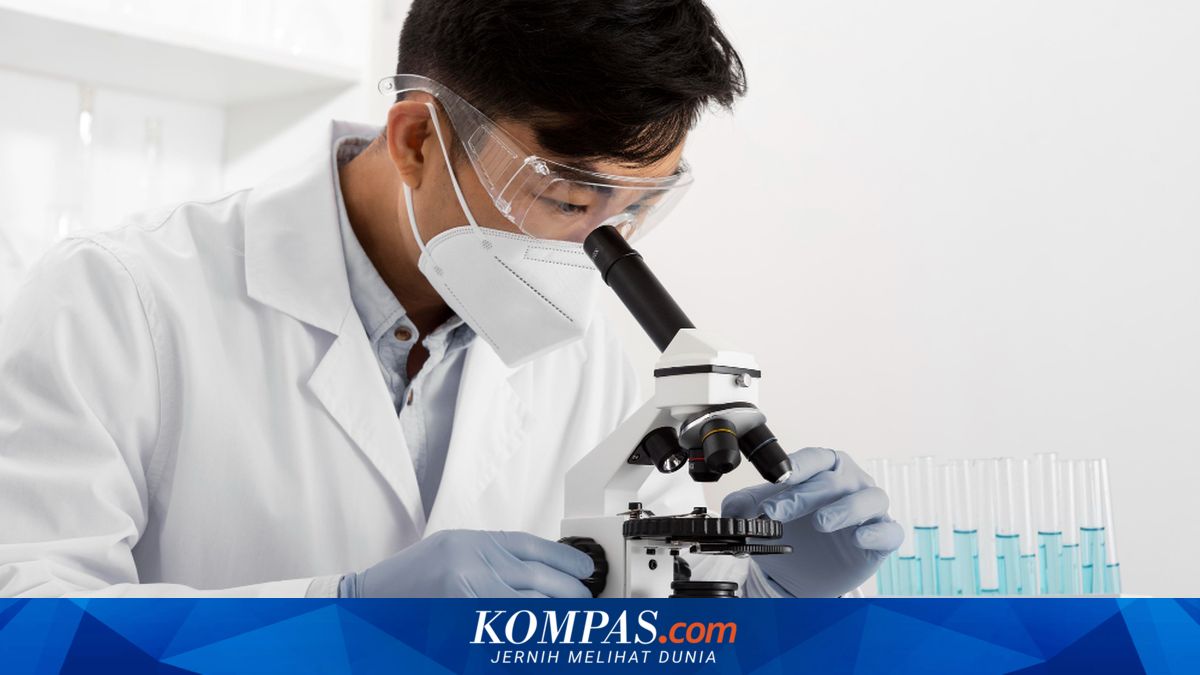
OpenAI introduced its latest artificial intelligence model, GPT-Rosalind, on Thursday (16 April 2026) US time. This model is specifically designed to support life sciences research, equipped with extensive biological knowledge and deep scientific analysis capabilities. In particular, GPT-Rosalind focuses on three main areas: biochemistry, drug discovery, and translational medicine. Its launch aligns with the increasing need for AI-powered tools among pharmaceutical companies, academic institutions, and biotechnology firms racing to speed up drug research and development processes. In its official blog, OpenAI explained that the model is designed to assist with evidence synthesis, hypothesis generation, experiment planning, and various other multi-step research tasks. Researchers can also use it to search databases, read the latest scientific papers, operate other scientific tools, and obtain recommendations for new experiments. The name GPT-Rosalind is taken from Rosalind Franklin, a 20th-century English scientist whose research significantly contributed to uncovering the structure of DNA and laying the foundation for modern molecular biology. Further testing through LABBench2 has shown promising results. GPT-Rosalind outperformed GPT-5.4 in six out of eleven tested scientific tasks. The most notable improvement was seen in the CloningQA task, an end-to-end scenario for designing reagents for molecular cloning protocols, a complex process that typically requires high-level laboratory expertise. OpenAI emphasises that GPT-Rosalind is not intended to replace the role of scientists. The model serves as a tool to help researchers work more efficiently, particularly on the most time-consuming tasks that require in-depth analysis. Regarding concerns about AI hallucinations, OpenAI stresses that GPT-Rosalind is designed to synthesise evidence and generate hypotheses as support for analysis, not as a substitute for expert judgement or empirical validation. Expert involvement remains an absolute requirement in every decision-making process. GPT-Rosalind is now available in research preview version on ChatGPT, Codex, and API for eligible customers. Several major companies, such as Amgen, Moderna, and Thermo Fisher Scientific, are already on the list of its users. Alongside this launch, OpenAI also released a free life sciences research plugin for Codex, which gives scientists access to more than 50 scientific tools and data sources at once.