
Open 24 Hours: The Story Behind Madura Shops That Never Sleep
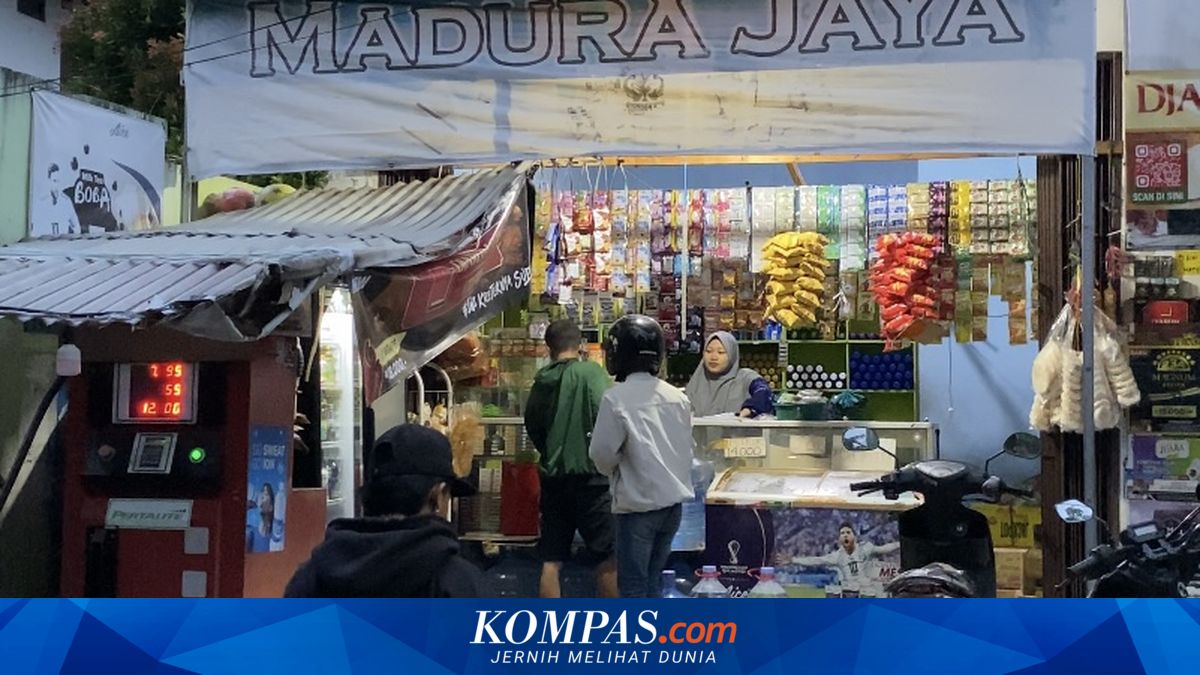
In the areas of Kukusan, Beji, and Depok Baru in Depok City, West Java, there is one type of business that never truly “sleeps”. Madura convenience stores, commonly known as warung Madura, stand with bright neon lights, shelves full of goods, and doors always open, even in the early hours of the morning. In this region surrounded by campuses and boarding houses, warung Madura are more than just grocery shops. They serve as vital hubs for daily needs, operating in sync with the city’s rhythm from morning until the next morning. Some even add instant drink carts or sachet coffee, making them pit stops for motorbike riders and students. However, what stands out most is not just their physical appearance, but their operational decision: open 24 hours without pause. Depok’s character as a satellite city to Jakarta, dominated by students, informal workers, and boarding house residents, creates a unique, time-unrestricted consumption pattern. Izmi (38), owner of a Madura shop in the Kukusan area, noticed this pattern from the start when he began his business in 2012. “Initially, I only opened until late at night. But gradually, customers came in the middle of the night, even at 2:00 AM,” said Izmi when met at his shop on Tuesday (31/3/2026). The surrounding environment near campuses keeps nighttime activity alive. Students pulling all-nighters, online motorcycle taxi drivers working until dawn, and neighbourhood watch volunteers become regulars. This situation prompted Izmi to change his shop’s operating hours to full 24 hours since 2016. “If I close, they might go elsewhere. Once they switch, they might not come back,” he said. According to Izmi, another reason why Madura shops open 24 hours is the bandwagon effect. Some owners simply follow the pattern of other shops that never close. “No, there’s no specific reason, but indeed some just follow suit or it’s become a trademark,” he stated. In the morning, around 6:00 AM, activity begins with customers heading to work buying coffee, cigarettes, or quick breakfasts. Entering midday to afternoon, customers are dominated by students and locals buying daily necessities. At this time, transactions are at their highest. In the evening, from around 7:00 PM to 10:00 PM, the flow of buyers increases again with workers returning home. However, the uniqueness is seen after 10:00 PM. When many shops close, warung Madura continue serving “night” customers, from students and online drivers to watch volunteers. “At 1:00 AM or 2:00 AM, people still come. Sometimes 5 to 7 people,” said Izmi. Although it slows down from 2:00 AM to 5:00 AM, activity never truly stops. Small transactions like sachet coffee, instant noodles, or cigarettes still occur. 24-hour operations cannot run without division of labour. At Izmi’s shop, workers are divided into three shifts: morning, afternoon, and night. Most workers come from Madura, though not all are close family. There are also local residents or students as workers. “The important thing is they are trustworthy and willing to work,” said Izmi. For the workers, the shop provides economic opportunities amid limited job prospects in their home villages. Though the job is tiring, they persist to support their family economies. “The important thing is being able to send money to parents,” one said.