
Only 5 Percent of 4,000 Developers Implement Green Building Certification
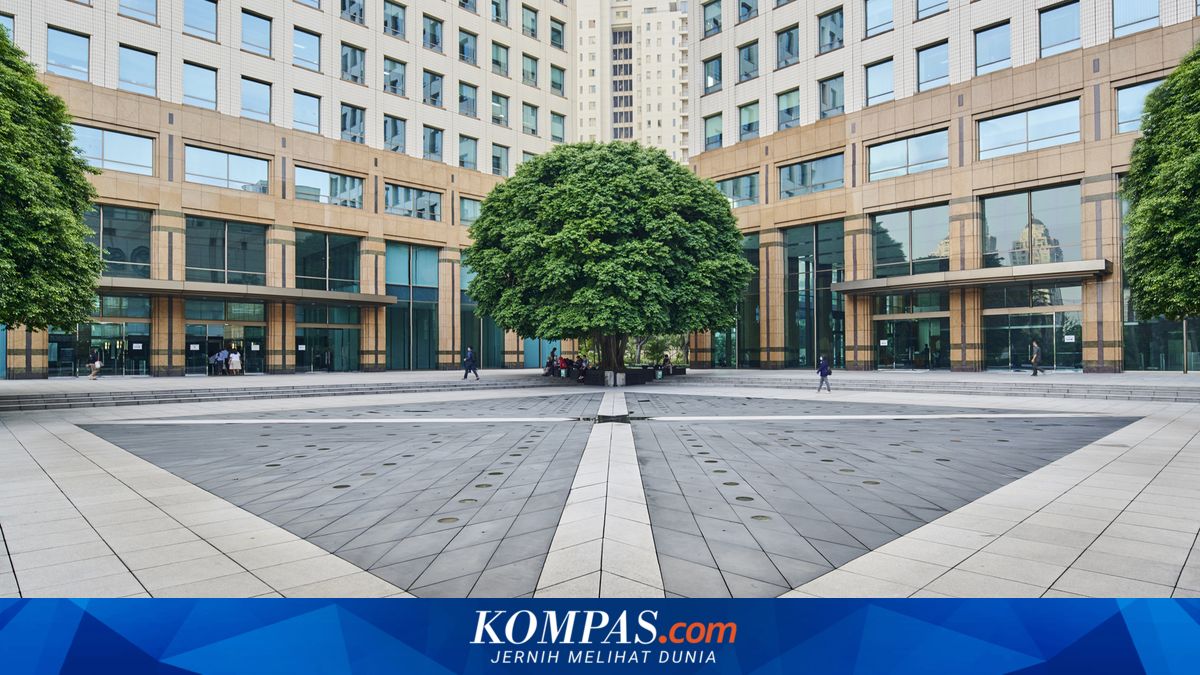
As the world demands reductions in carbon emissions, the adoption of green building concepts in Indonesia is progressing at a snail’s pace. Field facts reveal a wide gap between the number of operating developers and those who have obtained environmentally friendly certifications. The construction and property sector, encompassing housing, offices, and public infrastructure, contributes approximately 6 percent to total global greenhouse gas emissions. These emissions stem from building energy consumption such as heating, air conditioning, lighting, electrical appliances, as well as emissions embedded in construction materials like concrete, steel, and glass. Data from the Green Building Council Indonesia (GBCI) indicates that out of 4,000 active property developers in Indonesia, only about 5 percent, or 200 companies, are committed to implementing green building certification. GBCI General Chairman Ignesjz Kemalawarta revealed that the low involvement of developers stems from the absence of mandatory regulations and the lack of concrete incentives from the government. “For this reason, we continue to educate them that the energy and resources saved today are for future generations. This motivation must be awakened so that they do not only look at short-term costs,” said Ignesjz Kemalawarta. The reluctance of many developers is often based on the perception that certification and green building construction costs are very expensive. In fact, consultant fees for the certification process average only Rp 200 million, a relatively small amount compared to the value of high-rise building investments. Meanwhile, the benefits obtained are long-term. Certified green buildings can reduce operational costs by up to 20 percent through energy and water efficiency. Additionally, the environmental contribution is significant. One green building can reduce carbon emissions by between 1,000 and 2,000 tons per year. If multiplied by the current 504 buildings, Indonesia has actually succeeded in cutting 1.2 million tons of carbon emissions, although this has not yet received appreciation in the form of tax compensation or financial facilities. On the other hand, Indonesia still lags far behind compared to Singapore in terms of the number of green buildings.