
Only 30.7 Percent of Daycares Hold Operating Permits
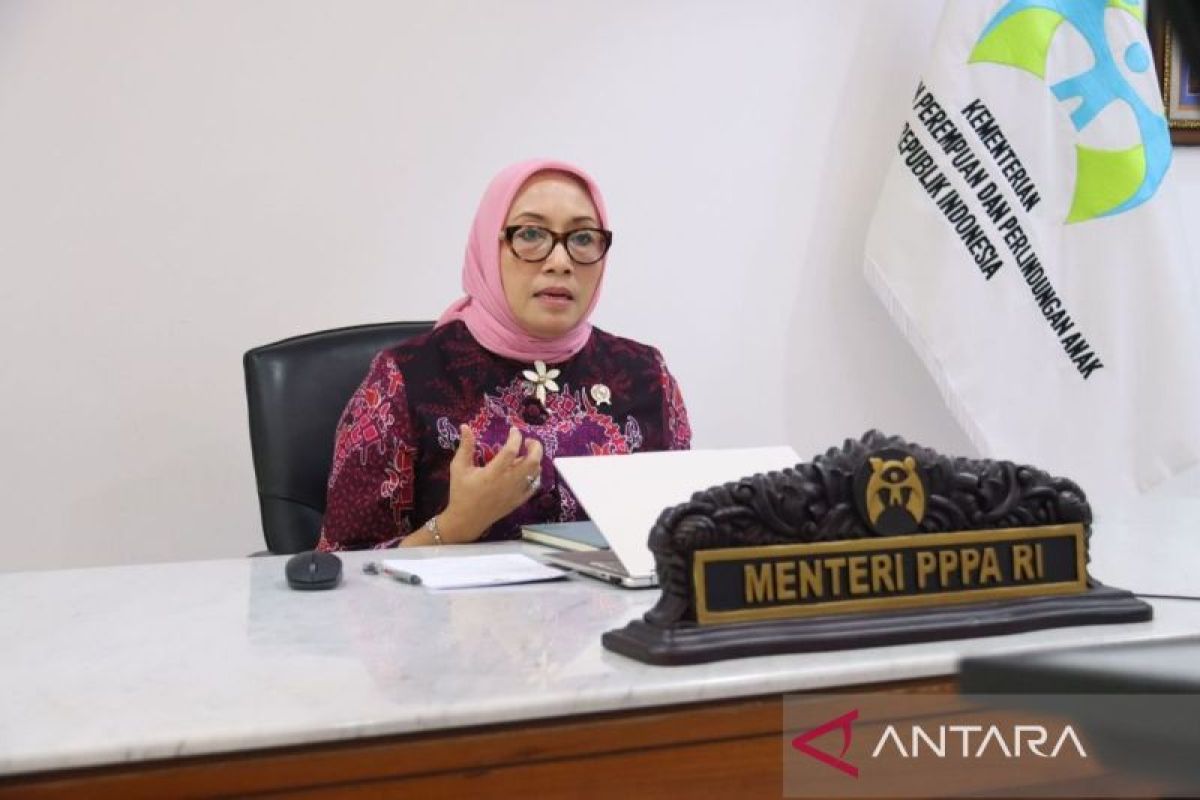
Jakarta (ANTARA) - The Ministry of Women’s Empowerment and Child Protection has recorded that approximately 44 percent of daycares in Indonesia do not have permits or legal status, with only 30.7 percent holding operational permits. “Service quality remains a major challenge. Around 44 percent lack permits or legal status, and only 30.7 percent have operational permits,” said the Minister of Women’s Empowerment and Child Protection, Arifah Fauzi, in Jakarta on Monday. Meanwhile, only 12 percent of daycares have registration marks, and 13.3 percent are legally incorporated. From a governance perspective, about 20 percent of daycares do not have standard operating procedures (SOPs), and 66.7 percent of management staff are uncertified. “The recruitment process for caregivers is generally not based on standards and lacks specific training,” said Arifah Fauzi. However, the need for daycares is increasing rapidly. The ministry notes that around 75 percent of families in Indonesia have used this alternative childcare. She stated that this situation indicates a high demand for daycare services that is not matched by service quality ensuring optimal fulfilment of children’s rights. “We are encouraging the implementation of standardised childcare services through certification of Child-Friendly Nurseries (Taman Asuh Ramah Anak or TARA), as regulated in Ministry of Women’s Empowerment and Child Protection Regulation No. 4 of 2024. The TARA programme covers child-friendly daycare service standards, child rights-based caregiving principles, referral networks and partnerships, as well as monitoring and evaluation systems. We emphasise that human resources are the key element. Managers and caregivers must understand child rights-based caregiving concepts and possess adequate competencies,” said Minister Arifah Fauzi. In addition, the implementation of child protection ethics codes (child safeguarding) is mandatory as a commitment from all staff to protect children from all forms of violence, abuse, neglect, exploitation, and other mistreatment, in line with the principles in the Convention on the Rights of the Child.