
Online Motorcycle Taxi Drivers Receive Rp 220 Billion in Holiday Bonuses, 850,000 Partners Benefit
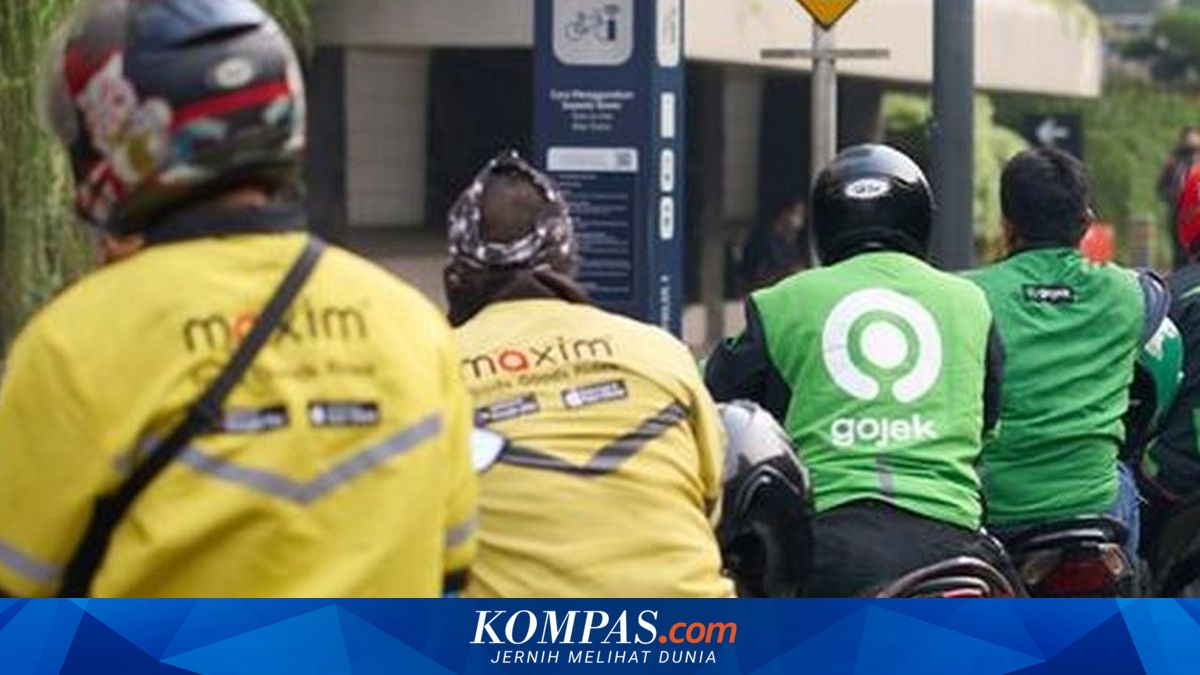
JAKARTA — The government has recorded that total Hari Raya bonuses (BHR) for online motorcycle taxi drivers distributed by online transportation platforms in 2026 reached Rp 220 billion, with the assistance targeted to benefit approximately 850,000 driver partners from various online transportation platforms.
“This year, the government has recorded that total BHR distribution reached Rp 220 billion, with a target of more than 850,000 driver partners as recipients,” said Chairul Saleh, Deputy Assistant for Productivity Enhancement and Labour Ecosystem Development at the Coordinating Ministry for Economic Affairs, in Jakarta on Tuesday (10 March 2026).
He stated that the online transportation sector currently plays an important role in the economy by providing flexible employment access to the public. According to him, the online transportation concept was built from the outset through a sharing economy model, wherein individuals with assets such as vehicles can utilise them to generate additional income through digital platforms.
“Many people have vehicles or assets that were previously not utilised to their maximum potential. Through digital platforms, these assets can be monetised to provide economic value. There is a concept of profit-sharing involved,” he explained.
Chairul added that employment models in the digital economy sector have different characteristics compared to traditional industries. This work can be conducted on a part-time and flexible basis, making it an additional income source option for the public.
He also considered that platform-based economy presence serves as a social buffer in the economy. This was evident during the Covid-19 pandemic, when many sectors experienced a decline in economic activity. “This gig economy acts as a buffer or social cushion. When economic shocks occur, people still have alternative work opportunities through digital platforms,” he said.
Nevertheless, Chairul acknowledged that driver partners still face several challenges, such as unstable income, minimal social protection, and workplace risks on the road.
For this reason, the government deemed it important to maintain the welfare of driver partners, including through the provision of Hari Raya bonuses. The programme is expected to serve as a form of appreciation for the partners’ contribution to the online transportation ecosystem.
“The relationship between platforms and driver partners is not merely operational, but represents a collaboration within a digital economic ecosystem,” he stated.
Chairul Saleh also said that the government continues to promote enhanced social protection for platform workers, including through participation in the workplace accident insurance and death benefit programmes under BPJS Ketenagakerjaan.
Chairul noted that the number of programme participants from non-salary earning workers (BPU), including motorcycle taxi drivers, continues to increase. In 2025, participation in the workplace accident insurance and death benefit programmes reached more than 14 million participants, an increase of approximately 43 percent compared to the previous year.