
Online Gambling Addiction Damages the Brain, Requires Medical Therapy Like Drug Addiction
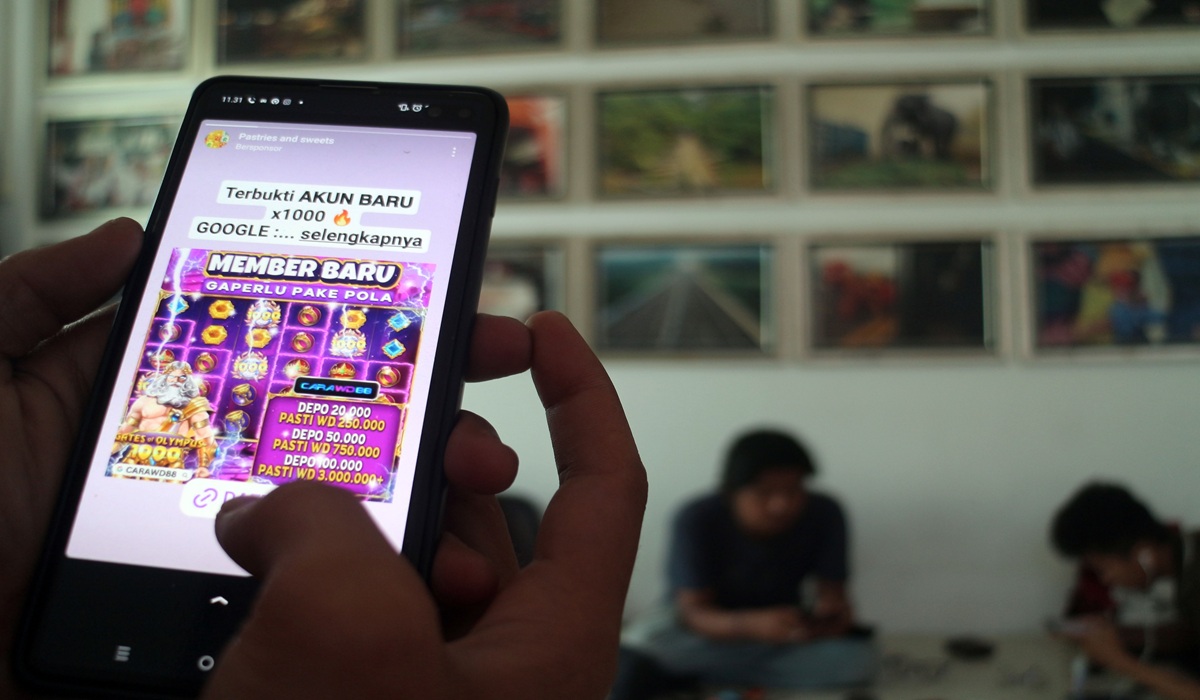
Gambling addiction, including online gambling, is not merely a behavioural or economic problem but a serious health disorder with direct physical impacts on brain structure.
According to Dr. Kristiana Siste, SpKJ(K), head of the Psychiatry Department at Dr. Cipto Mangunkusumo National Central General Hospital (RSCM), individuals trapped in gambling addiction require medical therapy due to brain structural damage similar to drug abuse.
Kristiana explained that gambling activities trigger excessive dopamine surges—the brain chemical responsible for pleasure and reward sensations. As a result, certain brain regions malfunction. “People who gamble must receive medical therapy because addictive gambling behaviour causes brain damage, particularly in the left prefrontal cortex area, which is responsible for decision-making,” she stated.
Damage to the prefrontal cortex is extremely detrimental to self-control. When this area is impaired, individuals experience cognitive errors and lose the ability to make logical decisions, instead continuing to gamble despite significant losses.
Kristiana emphasised that although gambling does not involve chemical substances entering the body like narcotics, its damaging effects on the brain’s nervous system are real. “So it turns out that gambling behaviour, although no substance enters the body, damages the brain just as drugs damage the brain,” she added.
In the treatment process, the medical team focuses not only on stopping gambling behaviour. Kristiana explained that underlying emotional issues often trigger the addiction, such as low self-esteem, depression, or anxiety. She cited the example of a teenager who felt worthless in social life and received instant validation when winning at gambling. “A child with low self-esteem is usually easily depressed and anxious. Through gambling they obtain validation that they have power, skill, and advantages. So they don’t stop gambling because it makes them feel valuable,” she explained.
The good news is that gambling addiction can be cured through a combination of medical therapy approaches. Based on research, the combination of these therapeutic approaches offers great hope with recovery rates exceeding 85 per cent within approximately three months.
Kristiana urged patients’ families not to surrender and to disregard social stigma. Early intervention is crucial because gambling’s negative effects are not experienced by the perpetrator alone. “Losses are experienced not only by the person gambling but by six people around you as well. If you come for treatment and experience recovery, then six people around you will also be happier,” she concluded.
People’s motivations for starting gambling vary widely, from mere curiosity to peer pressure and personal character traits. How a person responds to mental pressure determines whether they will fall into addiction or not.
One of the main symptoms of addiction is the loss of control over gambling behaviour. Sufferers are no longer able to limit the time and money they spend.
Those with trauma need an outlet that can make them happy with great intensity, making them more prone to addiction. They must undergo detoxification by avoiding online gambling for at least three weeks.