
One Scan Away: Money Flies — Is Cashless Convenient or Wasteful?
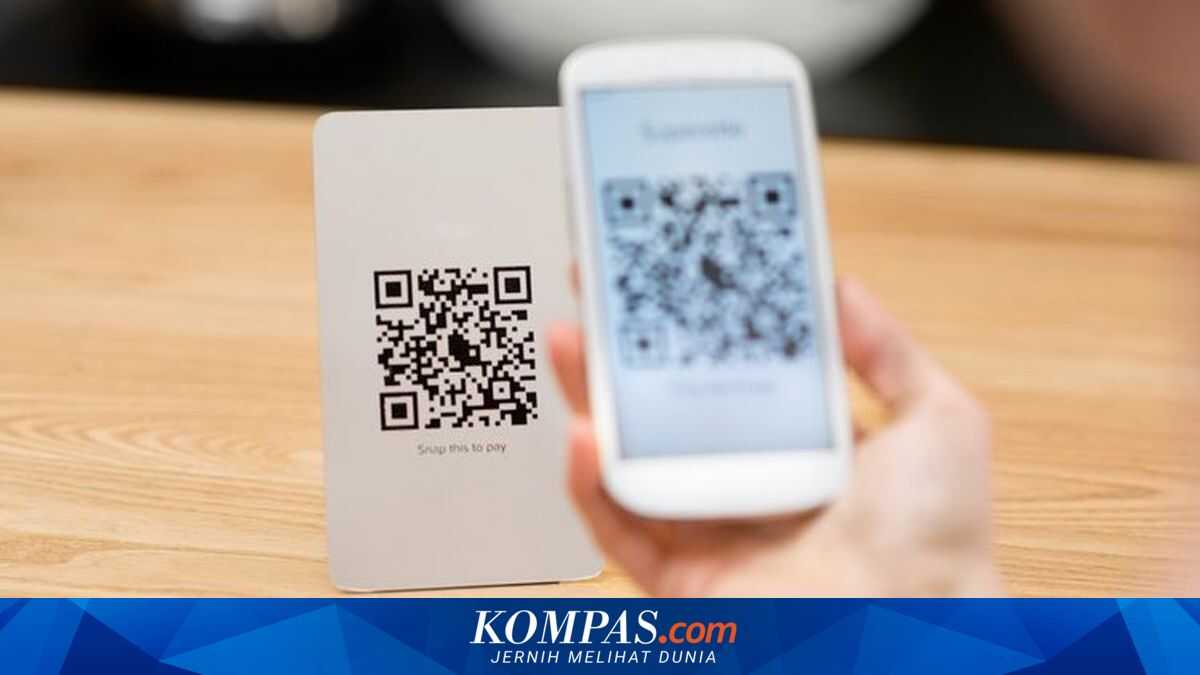
JAKARTA — The way urban Indonesian consumers pay for goods and services is undergoing rapid and continuous transformation. Physical wallets are gradually being replaced by smartphones through non-cash (cashless) payment methods. From purchasing meals to paying for transport and buying daily necessities, digital transactions have become routine, convenient and practical. For many urban residents, this method has become fully integrated into their fast-paced lifestyle.
Beneath this convenience, fundamental changes in economic behaviour are occurring. The shift from cash to account-based systems is altering how consumers make spending decisions. Rizal Taufikurahman, head of the Macroeconomics and Finance Centre at the Institute for Development of Economics and Finance (Indef), believes digital payment trends have moved beyond being merely an alternative.
“Digitalisation makes transactions more convenient, recorded, and integrated with application ecosystems, causing consumption decisions to become more spontaneous and shopping frequency to increase,” said Rizal. “Transaction costs fall, payment efficiency rises, and financial inclusion broadens because people previously unconnected to the banking system can now transact through digital wallets,” he added.
According to him, individuals previously lacking banking access can now connect through digital wallet services. However, the main risks lie in data security and consumer behaviour. “Data breaches, fraud and social engineering increase as digital literacy remains uneven across the population,” he said.
“In addition, payment convenience can potentially drive over-consumption and buy-now-pay-later usage without healthy financial planning,” he concluded.