
One Day per Week WFH: Workers' Rights Must Still Be Paid in Full
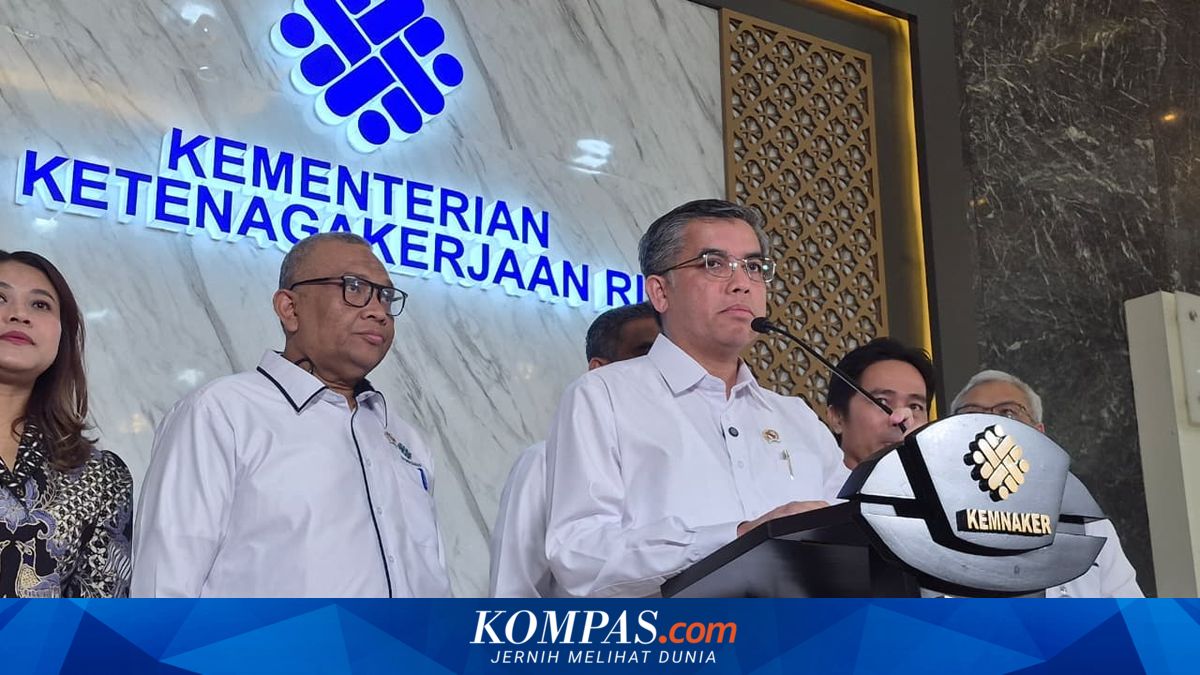
JAKARTA, KOMPAS.com - The Minister of Manpower, Yassierli, has assured that the policy of working from home one day per week will not reduce workers’ salaries and leave.
This recommendation applies to private sector workers, state-owned enterprises, and regional public enterprises.
Yassierli emphasised that companies must still fulfil all workers’ rights if they implement WFH.
“Leaders of private companies, state-owned enterprises, and regional public enterprises are urged to implement WFH for workers or labourers for one working day in a week according to the company’s conditions, and the WFH working hours are regulated by the company. With the stipulation that wages or salaries and other rights are still paid according to the provisions. The implementation of WFH does not reduce annual leave,” he stated during a press conference at his office in Jakarta on Wednesday (1/4/2026).
Reports can be submitted through the Lapor Menaker service on the official website.
“If there is any (violation) happening, please report it to us. We have the Lapor Menaker channel, and then our supervisors will follow up,” he said.
Supervisors will follow up on the reports. Companies proven to violate will be subject to sanctions.
Yassierli reminded workers to still carry out their duties during WFH.
Companies must also maintain productivity and service quality.
“Companies must still ensure performance, productivity, and service quality remain maintained,” he stressed.
Companies are asked to discuss the WFH scheme with labour unions so that the results are balanced.
“The technicalities of WFH are left to the companies. So if the question was whether it’s Friday? We leave it to each company,” he added.
The WFH recommendation aims to reduce energy consumption amid uncertainties in global oil prices and supplies due to the Iran-Israel conflict.