
One Day a Week WFH: Labour Union Warns of Hidden Costs to Workers
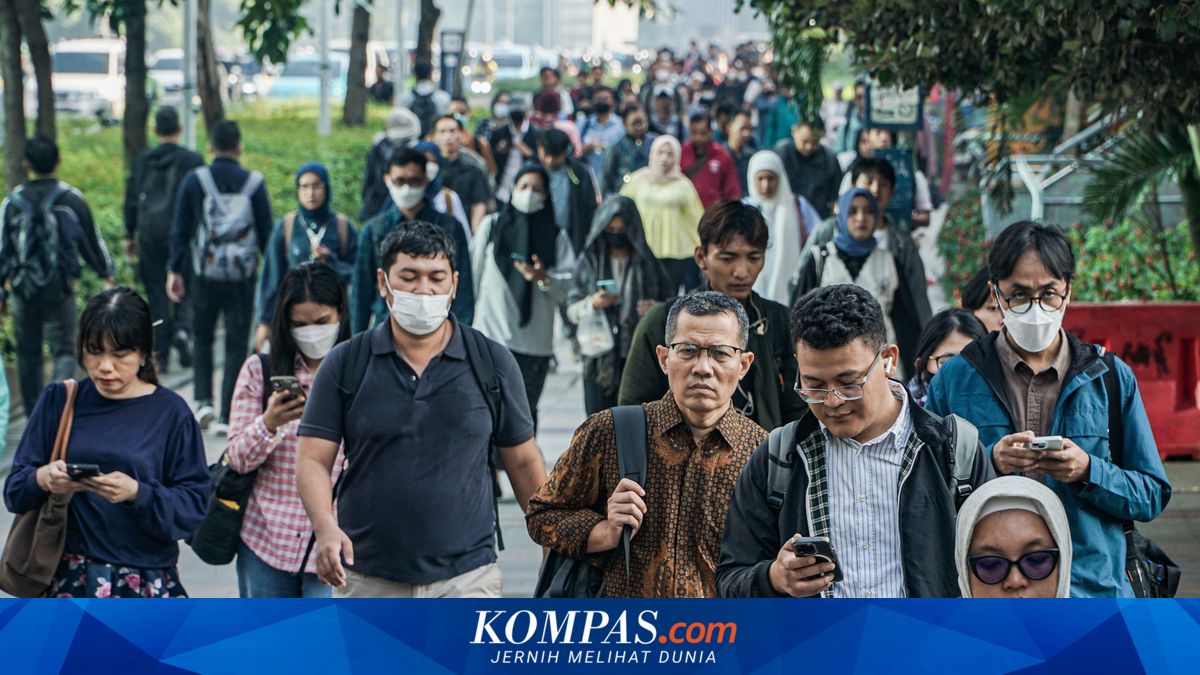
The Indonesian Workers’ Union Association (ASPIRASI) has warned of the potential for hidden costs that could burden workers due to working from home (WFH) one day per week. ASPIRASI President Mirah Sumirat views this policy as fundamentally positive, especially for saving fuel oil (BBM) and reducing daily mobility. Mirah stated that the policy has the potential to provide efficiency space for both workers and the environment. “This step has good intentions, particularly in saving BBM and reducing the daily mobility burden on workers/labourers,” she said in a written statement on Sunday (5/4/2026). Workers in the manufacturing, services, and field work sectors are considered to lack the flexibility to work from home. Therefore, according to Mirah, the government needs to consider aspects of fairness so that this policy does not create disparities among workers. In addition, she also highlighted the potential for shifting cost burdens from companies to workers. Experiences during the Covid-19 pandemic showed that workers undergoing WFH actually faced increases in household expenses. Electricity costs, for example, could rise by around 10–20 percent, depending on the use of work devices such as laptops, air conditioning, and lighting. Without compensation from the company, these additional costs are seen as directly eroding workers’ real income. “Without a clear protection scheme, this policy has the potential to shift the cost burden from the state and companies to workers/labourers,” said Mirah. Not only about costs, she also warned of other risks in the form of uncontrolled working hours. According to Mirah, without strict regulation, WFH has the potential to increase hidden workloads and trigger fatigue (burnout), which in the end can reduce long-term productivity. Thus, Mirah assesses that energy efficiency policies cannot be carried out unilaterally.