
Once-viral: Why Punch, the Baby Monkey, Is Shunned by the Group
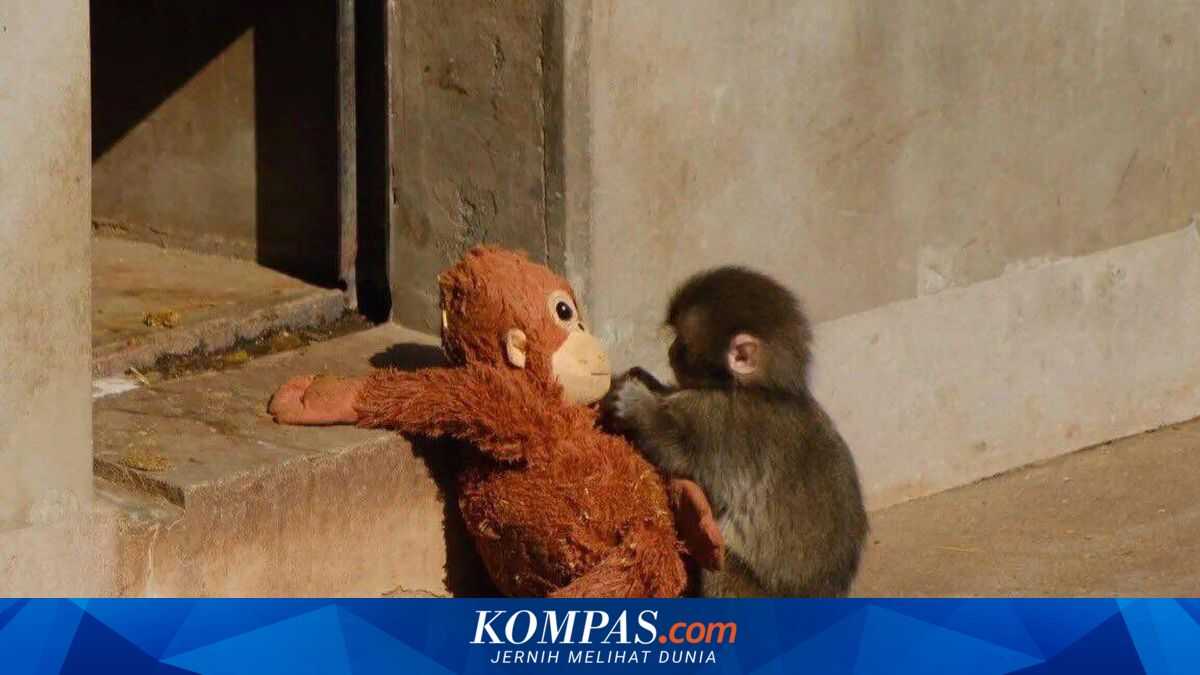
Over the past few weeks, a baby macaque named Punch at Ichikawa City Zoo in Japan has captured the attention of internet users worldwide. Viral videos show the seven-month-old monkey being pushed away or shunned by older monkeys, before hugging an orangutan doll that it always carries.
The scenes have generated public sympathy. Many people have described Punch as being bullied by its group. Yet primatologists say the reality is far more complex and relates to the highly rigid social structure of Japanese macaques.
As a result, zoo staff have had to care for Punch directly. They have also provided him with an orangutan doll as a surrogate for a mother, so that he has something that can provide a sense of security.
In January, Punch was then introduced into the macaque group at the zoo. However, the adaptation process proved not easy.
According to Sarah Turner, a primatologist at Concordia University in Canada, maternal rejection often occurs for several reasons.
One of them is the experience of a mother who has just given birth for the first time.
“A mother who has just given birth to a baby is more likely to struggle, because she may not know what to do,” Turner said.
In addition, the possibility of a heatwave at birth can also cause the mother stress.
Without the mother’s presence, Punch loses two important things at once: protection and social access.
A primatologist from Harvard University, Kristin Sabbi, explained that the mother usually acts as an important link between the infant and the group.
“The little Punch loses not only its mother as the first crucial social bond, but also as the link to a broader group,” Sabbi said.
The mother also usually helps protect her child from aggressive behaviour by other monkeys, which is actually part of normal social interactions.