
Once Piled Up and Discarded by the Roadside, Now It Can Generate Income
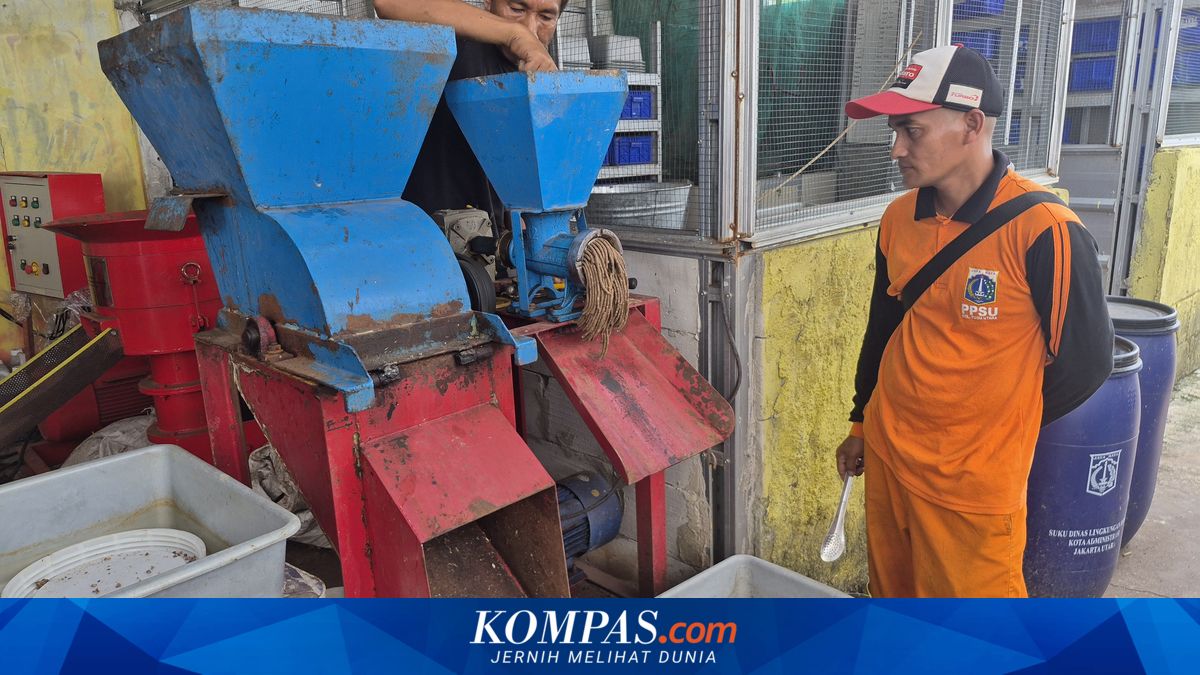
In the narrow alley of RW 01, Tugu Utara Ward, Koja Subdistrict, North Jakarta, residents process around 500 kilograms (kg) of waste every day. Hundreds of kilos of waste are processed at Bank Sampah Cemara, located in the midst of a residential area. Bank Sampah Cemara, also known as Tempe Bacem (Tempat Pemilahan Bank Sampah Cemara), has been operating since 2018. The waste processed comes from residents’ homes across 10 RTs in RW 01, with a population of approximately 2,000. Additionally, Bank Sampah Cemara collects waste from various sources for processing, such as Koja Market, restaurants, schools, and waste from the local Satuan Pelayanan Pemenuhan Gizi (SPPG). Thus, the existence of Bank Sampah Cemara not only reduces organic waste in the surrounding environment but also in other places. However, after nearly eight years of operation, waste from residents’ homes in this area is no longer discarded and is processed as best as possible. Resident Dani Arwanto was motivated to establish Bank Sampah Cemara upon realising that waste also has value. “We see that organic waste is no longer just waste, but it contains nutrients that we must manage for the needs of animals and plants in the surrounding environment,” said Dani when interviewed by Kompas.com at the site on Wednesday (13/5/2026). The organic waste is processed into fertiliser, animal feed, and more. Meanwhile, hard organic waste such as wood, plywood, tree trunks, and others is processed into biomass pellets to replace LPG gas energy. Plastic waste, such as bottles along with their caps, can be sold by residents to Bank Sampah Cemara at an average price of Rp 2,000 to Rp 5,000 per kg, following the rates from the Main Waste Bank (BSI). “Maggots are used to break down soft organic waste or kitchen scraps. Maggot production here is around 80 kg to 100 kg per day,” explained Denny. The way maggots break down organic waste is by consuming it quickly. In addition to reducing organic waste, the maggots are also processed into animal feed mixtures because they are rich in nutrients. Furthermore, residents process organic waste using a machine with a capacity of 500 kg to one tonne per day. Bank Sampah Cemara often lacks organic waste to process into useful items. “Now we are even short on stock of organic waste. If anyone has sorted organic waste, please donate it to our place,” he added.