
On the "Ride-Hailing Crisis" Phenomenon, Observers Say Drivers Are Now Selective About Accepting Orders
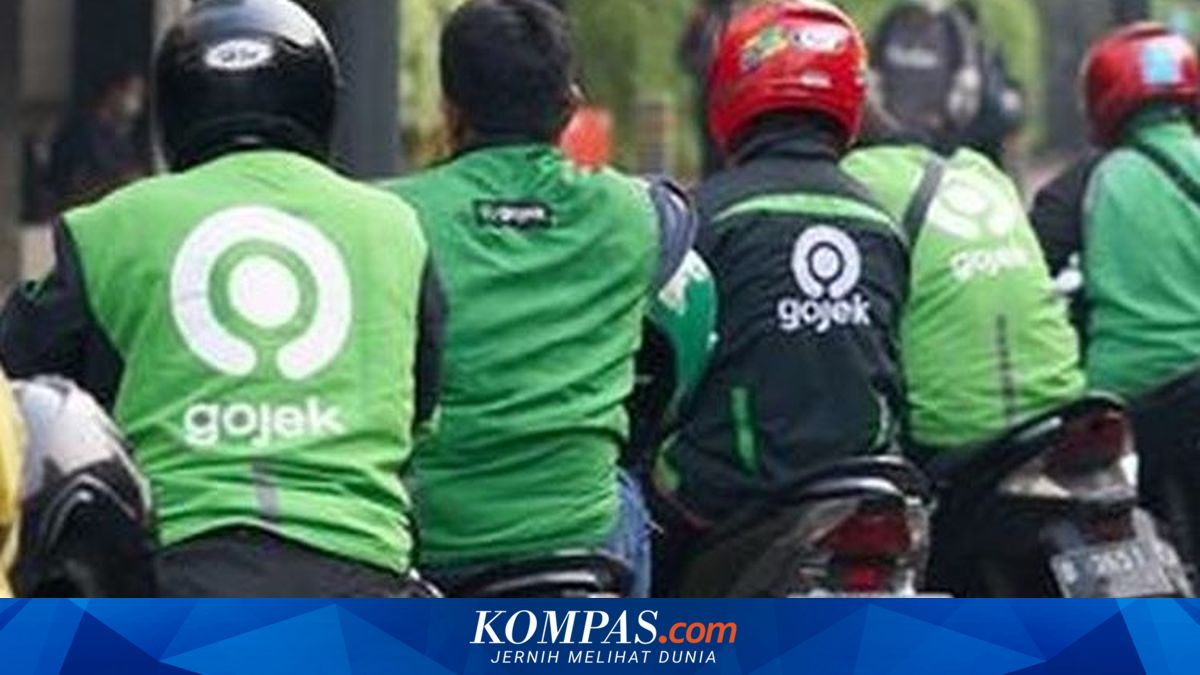
Transport observer Deddy Herlambang believes complaints about difficulty obtaining ride-hailing services at certain times occur due to several factors.
According to Deddy, the phenomenon is partly related to tariff choices from users that are not always attractive to drivers.
“For example, many consumers choose economy fares, so they are not taken by ride-hailing drivers,” said Deddy when contacted by Kompas.com on Friday, 13 March 2026.
“Perhaps the cut from the application, which is around 20 per cent, is not attractive to ride-hailing drivers,” said Deddy.
Deddy explained that in ride-hailing services, drivers have the freedom to accept or reject orders coming through the application.
On the other hand, Deddy believes the controversy surrounding ride-hailing cannot be separated from the context of urban transport as a whole.
According to him, ride-hailing is not fundamentally part of the national transport system, but rather private transport or paratransit that serves as a pick-up and drop-off service.
“Urban transport that is absolutely needed is a multimodal integration system. In countries with advanced transport systems, there is actually no ride-hailing, because ride-hailing is essentially a social phenomenon, not purely a transport need,” said Deddy.
As a solution, he proposed limiting the number of ride-hailing drivers so that balance between tariffs and the number of drivers can be maintained.
“The solution is to have a quota limit on ride-hailing so that ideal fares can be enjoyed by ride-hailing drivers,” he said.
On social media, complaints about the difficulty of obtaining ride-hailing services have indeed been widely discussed by internet users.
From various information circulating on social media and driver communities, there is suspicion that this phenomenon is related to an imbalance between the income drivers receive and the operational costs they incur.
Several drivers are said to choose to go offline or not accept orders at certain times, especially during heavy traffic congestion.
They believe that long travel times are not commensurate with the fares they receive.