
On the eve of the holiday season, investment realisation in the Jogja-Solo-NYIA Kulonprogo Toll Road surpasses Rp 7 trillion
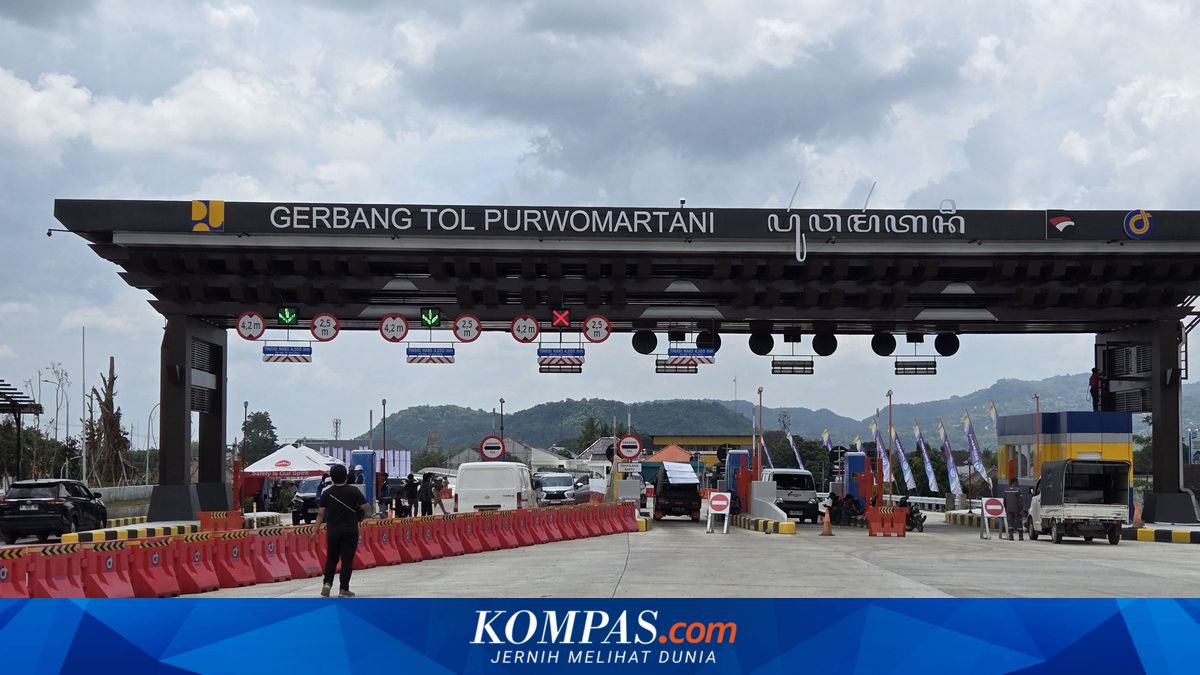
SOLO — The strategically significant national toll road project Jalan Tol Solo-Yogyakarta-NYIA Kulonprogo continues to demonstrate substantial progress.
As of March 2026, investment realisation for Phase 1 construction has absorbed Rp 7 trillion from the total planned investment allocation of Rp 27.25 trillion.
Rudi Hardiansyah, Managing Director of PT Jasamarga Jogja Solo (JJM), disclosed that the investment absorption has been concentrated on completing Phase 1 construction spanning 45.7 kilometres.
“The Rp 27 trillion investment covers the entire 96-kilometre stretch. Currently, construction efforts are focused on Phase 1, which spans approximately 45 kilometres with absorbed investment costs of around Rp 7 trillion,” Rudi told Kompas.com on Wednesday, 11 March 2026.
The toll road’s presence promises to transform the mobility landscape in the Jogja-Solo corridor, which has long suffered from severe congestion on arterial routes.
During functional trials of the Prambanan-Purwomartani segment spanning 12 kilometres, time efficiency improvements were recorded as substantially significant.
Rudi explained that using the arterial route requires users approximately 60 minutes of travel time due to numerous traffic light intersections and peripheral obstacles.
“It is highly effective in reducing travel time. We have achieved approximately 90 per cent efficiency improvement compared to the arterial route, which covers nearly the same distance but is hampered by numerous traffic lights and heavy traffic congestion,” he said.
Despite demonstrating high efficiency, the functional operation of the Prambanan-Purwomartani segment, scheduled to commence on 16 March 2026, still carries several outstanding issues.
Field observations indicate route conditions remain dusty at several points with minimal permanent street lighting in place.
Regarding stretches that appeared off-road at certain locations, he attributed this to newly poured sections of roadway that require time for curing before they can be used for traffic.
“Due to lighting not being ready, we recommend functional operations be conducted only during daylight hours, from 06:00 to 17:00 WIB in accordance with relevant stakeholder directives,” Rudi added.