
On Salary Cuts, State Must Show Restraint Before Asking People to Sacrifice
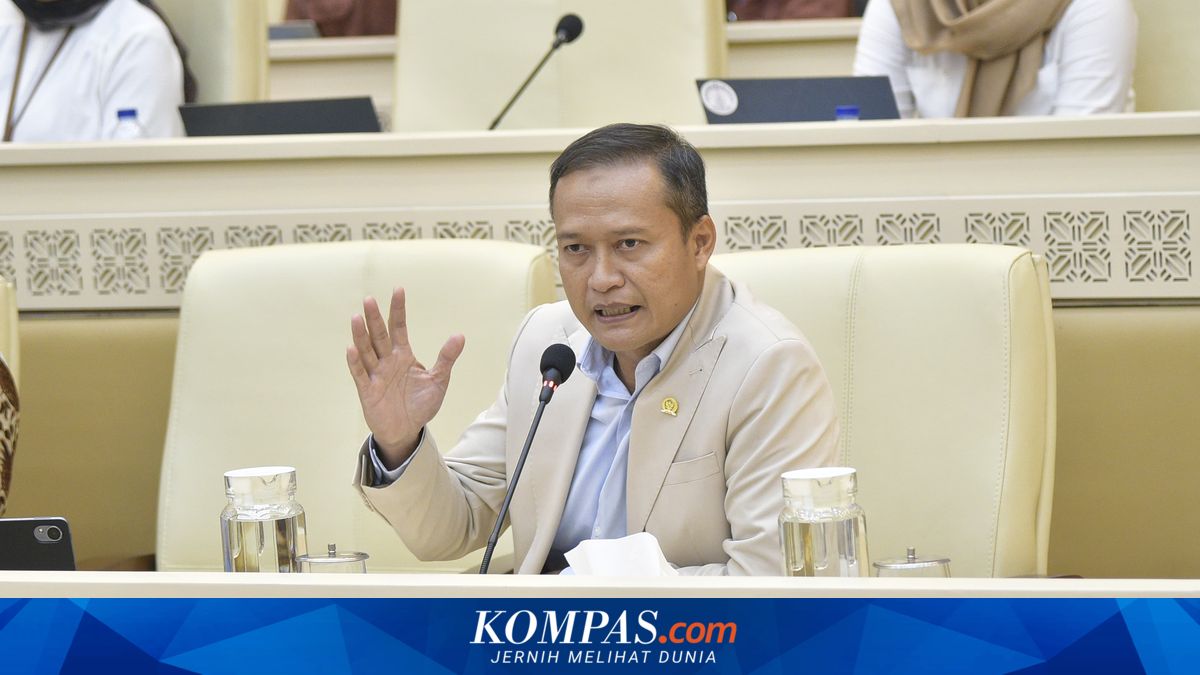
Jakarta – Azis Subekti, a member of parliament from the Gerindra faction, believes the state should exercise restraint before asking citizens to economise amid potential global economic pressures.
According to Azis, the approach adopted by several countries that have cut official facilities and restricted government spending during crises could serve as an example.
“The state chooses an unpopular path: cutting official facilities, reducing bureaucratic energy consumption, and restraining non-essential government spending. Such measures may appear merely technical. But in reality, they carry a very profound message: the state must exercise restraint before asking people to sacrifice,” said Azis in a statement on Monday (16 March 2026).
He noted that countries implementing such savings measures wished to demonstrate that crises are not merely the burden of ordinary citizens, but rather a shared responsibility of the entire state apparatus.
“This is where I believe the presidential address carries a more subtle yet important message. That message is not only for economists or budget makers. It is actually directed at all state officials, whether those in military uniform or those working silently at civil bureaucratic desks,” he added.
He stressed that service to the state is not merely carrying out administrative tasks or structural commands, but also the willingness to exercise restraint when the nation faces difficult times.
According to Azis, citizens are generally willing to economise if they see their leaders living with the same simplicity.
Conversely, he said, sacrifice will feel bitter if citizens witness the state continuing to operate in luxury, whilst they are ordered to economise.
“In old leadership traditions, such an attitude had one name that is almost forgotten today: the asceticism of power, the ability of a leader to restrain himself before asking people to restrain their lives,” Azis explained.
Meanwhile, Azis noted that although war is occurring far away in the Middle East, its effects could reach the homes of Indonesian citizens.
One of the causes is Iran’s closure of the Strait of Hormuz.
“If that route is disrupted by war, blockade, or merely military tension, it is not only the Middle East that trembles. The entire world shakes. Indonesia is not a Gulf nation. But we are a nation dependent on energy imports. That means every tremor at Hormuz almost certainly reverberates all the way to the desks of policymakers in Jakarta,” Azis added.