
On Electric Vehicle Tax Issues, Hyundai Motor Indonesia's Response
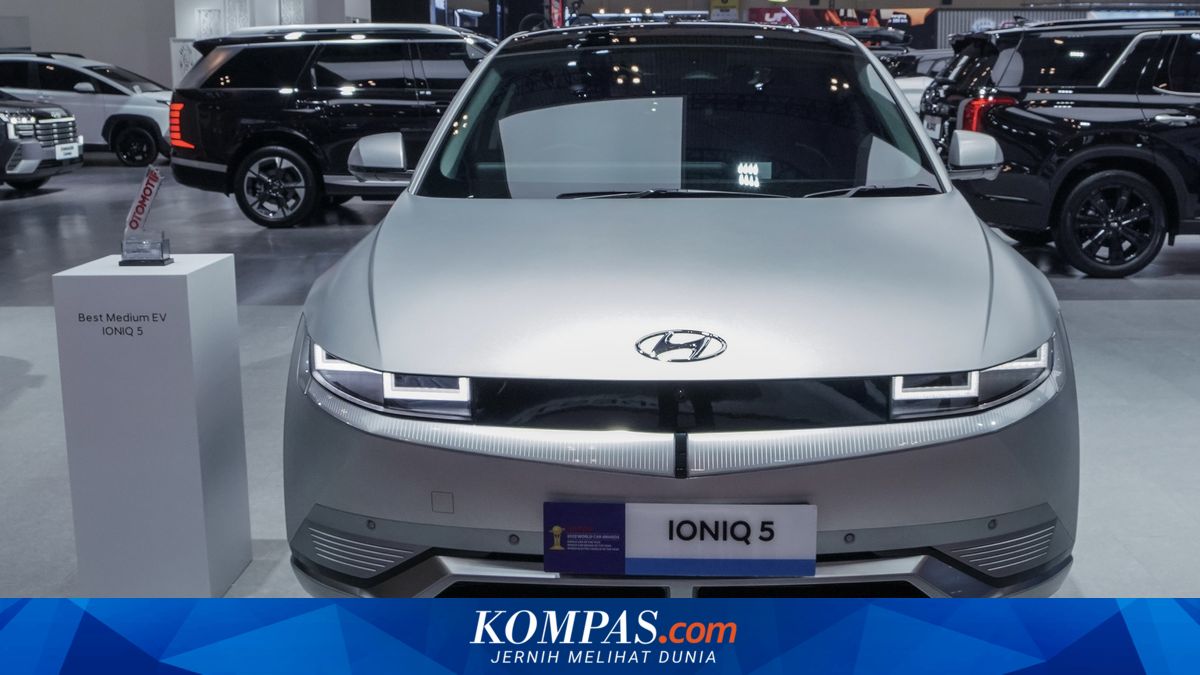
JAKARTA, KOMPAS.com - The government’s ongoing discussions on changes to the electric vehicle incentive scheme have elicited varied responses from industry players, including from Hyundai Motor Indonesia (HMID). HMID’s Chief Operating Officer, Fransiscus Soerjopranoto, emphasised that the company respects every policy taken by the government, particularly those related to strengthening the national automotive industry ecosystem. According to him, Hyundai has been committed from the outset to proceeding in line with the direction of such policies. This is demonstrated through active participation in meeting domestic market needs while also promoting vehicle exports from Indonesia. “Hyundai respects every government policy that is certainly aimed at strengthening the automotive industry ecosystem in Indonesia, and we proceed in line with that policy by participating from the start in fulfilling domestic market needs as well as exports,” said Fransiscus to Kompas.com on Thursday (23/4/2026). Nevertheless, Fransiscus acknowledged that the incentive changes could potentially impact the electric vehicle market. However, the extent of this influence still needs to be monitored in the coming months. “The impact on the market certainly needs to be observed together in the coming months, considering the many factors that influence it,” he said. Furthermore, Hyundai hopes that future policies will remain consistent with the long-term roadmap for the development of the automotive industry in Indonesia. Such consistency is deemed important so that all stakeholders can experience sustainable benefits. “Our hope is that future policies remain aligned with the long-term automotive industry development roadmap that impacts the welfare of the stakeholders,” said Fransiscus. Previously, the government officially designated battery-based electric vehicles as taxable objects through the Minister of Home Affairs Regulation (Permendagri) Number 11 of 2026 on the Basis for Imposing Motor Vehicle Tax (PKB) and Motor Vehicle Ownership Transfer Fee (BBNKB). With this new regulation, electric vehicles are no longer included in the category exempted from PKB and BBNKB. This means that, regulatorily, electric vehicles remain subject to tax, although the amount does not have to be full like conventional vehicles. Local governments still have the authority to provide incentives in the form of tax reductions or even partial exemptions, depending on each region’s policies.