
Ombudsman Urges Evaluation of Plan to Import 105,000 Commercial Vehicles from India
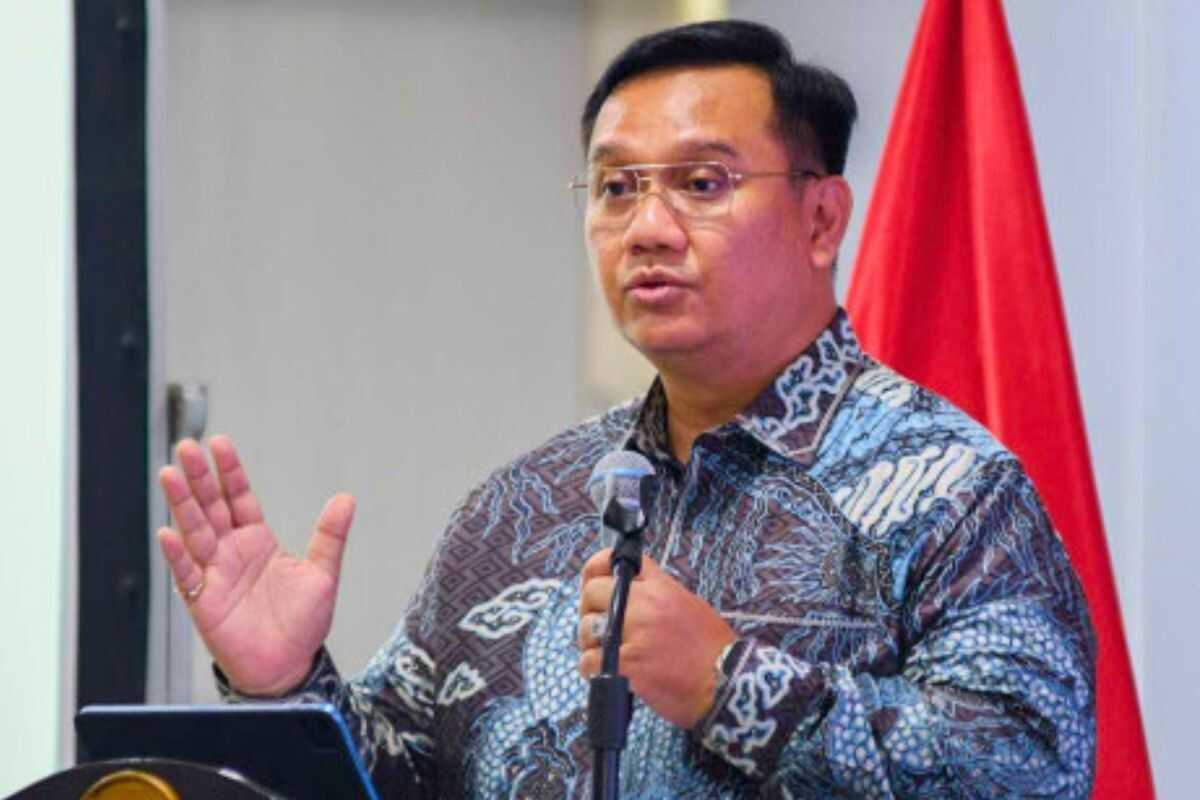
Jakarta (ANTARA) - The Indonesian Ombudsman (ORI) has advised the government to evaluate the plan to procure 150,000 commercial vehicles imported from India to support the Village Cooperatives’ logistics programme. Member of the RI Ombudsman Yeka Hendra Fatika emphasised the risk of operational impediments if the technical specifications of the imported vehicles do not align with national energy regulations. “Policy alignment is essential to maintain the effectiveness of the rural logistics system,” Yeka said when contacted in Jakarta on Friday. He argued that mobilising villages to cut the food distribution chains is a strategic initiative that deserves praise, but the ORI stressed the importance of technical compatibility and thorough planning so that the state budget allocation of Rp24.6 trillion can provide sustainable benefits for public services. It is stated that the good intention to realise food resilience must be supported by precise governance. Nevertheless, he said, the use of fully built-up (CBU) vehicles with certain engine standards could face technical obstacles if not in sync with the mandatory Biodiesel B40/B50 in Indonesia. “This misalignment is feared to trigger engine function disruptions on a wide scale,” he said. Yeka assessed that engine technical problems could hamper the smooth distribution of food in villages. He argued that such conditions could burden communities with high maintenance costs and potential difficulties in obtaining spare parts in remote areas, thereby making the goal of affordable staple foods difficult to achieve optimally. He explained the importance of policy integration as referred to in Article 2 paragraph (4) of Law No. 25 of 2004 on the National Development Planning System (SPPN), which mandates synergy across government functions. In addition, he continued, state financial management must always prioritise orderly and efficient principles in accordance with Article 3 paragraph (1) of Law No. 17 of 2003. To guarantee accountability, he stressed that the supervisory function should also be carried out in line with Article 72 letter (d) of Law No. 17 of 2014 on MD3 relating to the DPR’s duties in supervising the implementation of laws and government policies. As a governance strengthening step, the RI Ombudsman suggested that the government prioritise empowering domestic automotive manufacturers, such as PT Pindad or domestic automotive consortia. Local products are considered more ready and compatible with Biodiesel B40/B50 characteristics in the country. “Utilising the domestic industry is a strategic step in line with the mandate of Law No. 3 of 2014 on Industry regarding the obligation to use domestic products,” Yeka said. It is stated that using domestically produced products not only strengthens economic sovereignty but also ensures the sustainability of services because the maintenance and after-sales ecosystem has already been established widely in Indonesia. In addition to the vehicle aspect, the Ombudsman assessed that the programme’s success heavily depends on the accuracy of distribution targeting. Based on the Desa Membangun Index data, physical procurement interventions for logistics fleets should be focused on 11,524 villages classified as Underdeveloped and Very Underdeveloped. The distribution of priority areas includes around 3,800 villages in Papua, 2,200 villages in Sumatra, 1,600 villages in Kalimantan, 1,400 villages in Sulawesi, 1,200 villages in Nusa Tenggara, 900 villages in Maluku, and 424 villages in Java and Bali. For areas outside the priority zones, the ORI suggests optimising resources to avoid redundant capital expenditure. For more developed villages, logistic strategies can be directed towards strengthening the digital ecosystem. Therefore, the government should conduct a comprehensive study. For advanced villages, the role of Village-Owned Enterprises (BUMDes) and cooperatives as digital aggregators can be further optimised. “With a combination of locally produced physical fleet support for remote areas and digital optimisation for advanced regions, national food sovereignty that is autonomous and accountable can be achieved efficiently,” he said.