
Ombudsman: Universities must drive bureaucratic reform
Jakarta (ANTARA) - The Ombudsman of the Republic of Indonesia (ORI) has stated that universities must become agents driving bureaucratic reform through digital ethics curricula, public policy audit research and participatory oversight.
Ombudsman member Abdul Ghoffar noted that the digital era presents new challenges in the form of a novel pathology: cyber-maladministration.
“This encompasses issues such as data leaks, vulnerabilities in cyber systems and the lack of empathy in artificial intelligence (AI)-based services or bot responses,” Ghoffar said in a statement confirmed in Jakarta on Friday.
He considered the role of students and the wider academic community to be important in safeguarding good governance.
He highlighted how ORI has transformed from a conventional supervisory body into an institution that is adaptive in the digital era.
Accordingly, ORI encourages students not only to be users of public services, but also to become participatory oversight agents who understand their rights as citizens to receive services free from maladministration.
Ghoffar revealed that collaboration between ORI and universities can be pursued through the establishment of Ombudsman Corners, thematic community service programmes (KKN) in the field of public services, and independent student research on the effectiveness of government public service applications.
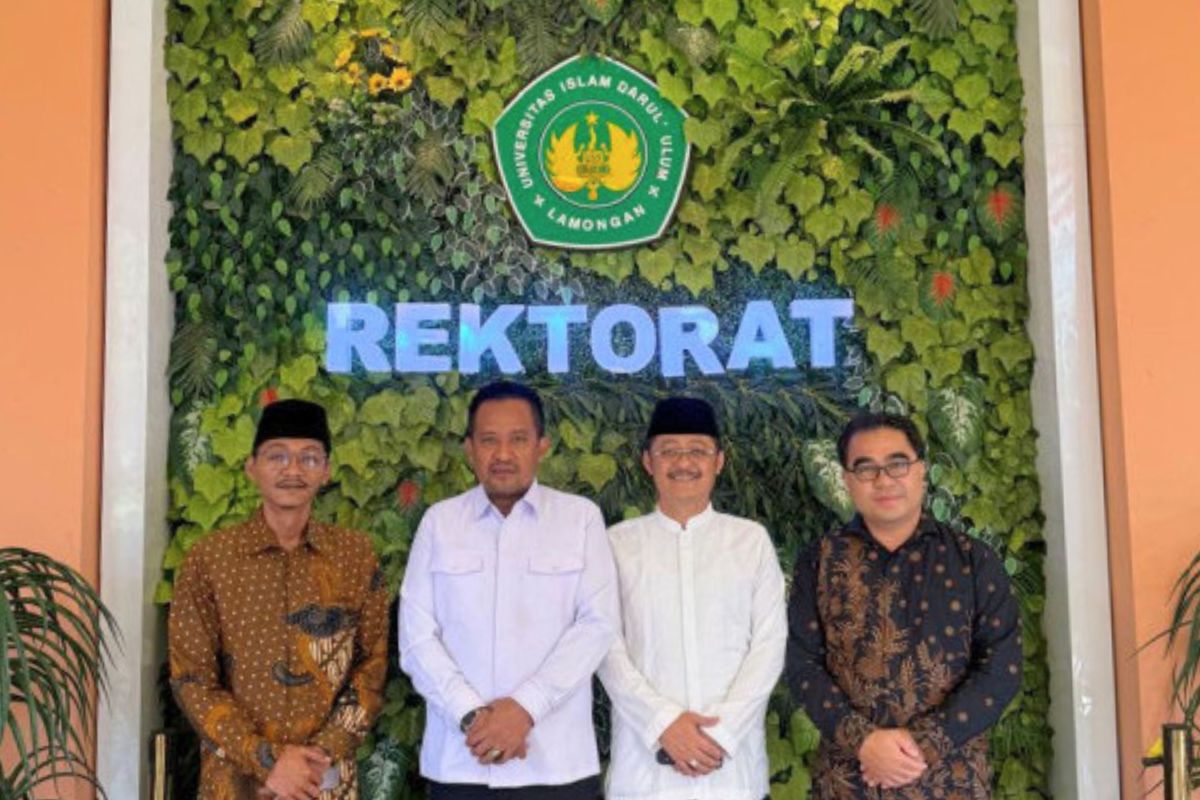
In an effort to strengthen the public service oversight network within academic circles, ORI visited the Islamic University of Darul ’Ulum (Unisda) in Lamongan, East Java, on Friday (3/7).
On that occasion, Deputy Chair of the Ombudsman of the Republic of Indonesia Rahmadi Indra Tektona signed a memorandum of understanding (MoU) with Unisda Rector Muhammad Hafidh Nashrullah.
Through the MoU, Rahmadi expressed hope that it would open up broader avenues for collaboration between ORI and Unisda, particularly in the fields of research, student internships and the dissemination of legal literacy on public services.
The cooperation is also expected to foster a national legal culture and public awareness of the importance of public services that are honest, open and free from corruption, collusion and nepotism, both within the campus environment and the wider community.