
OJK to Introduce Crypto Influencer Rules; Industry Welcomes Move
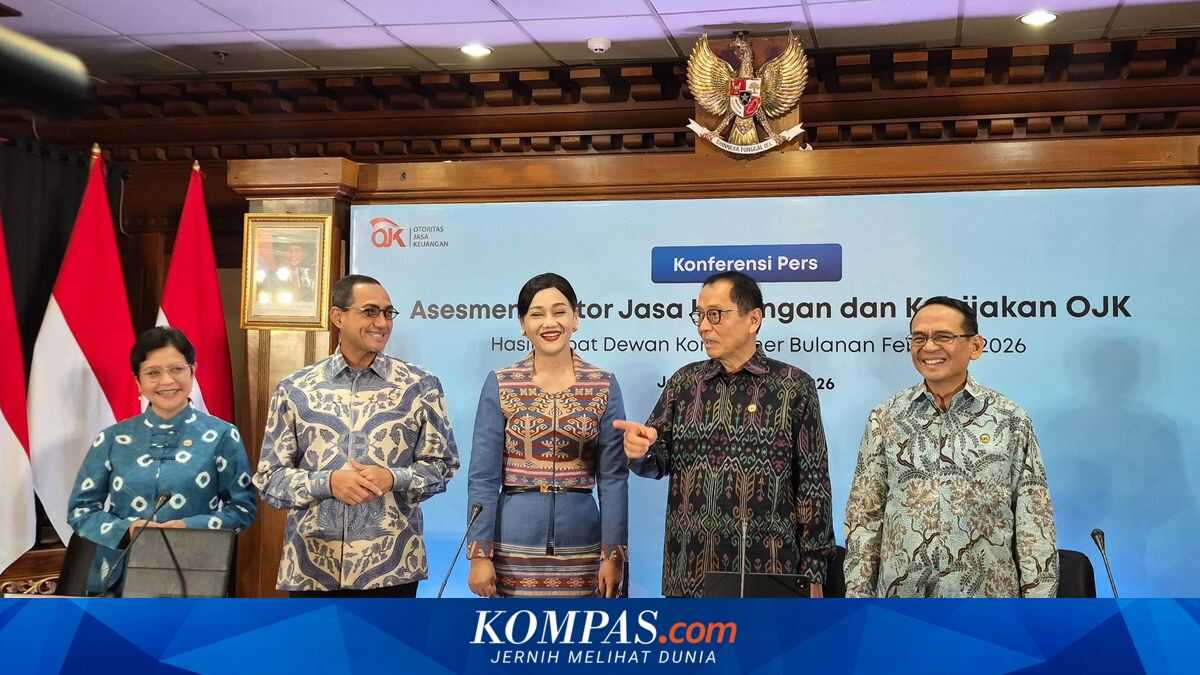
Jakarta – The Financial Services Authority (OJK) is preparing new rules governing the activities of influencers or information disseminators in the financial services sector, including crypto assets. The regulation is designed to strengthen consumer protection while maintaining the integrity of information circulating in the digital space.
The rules will be set out in an OJK Regulation (POJK) targeted for issue in the first half of 2026. The regulation is expected to provide a legal basis for authorities to supervise influencer activities who frequently promote financial products on social media.
Hasan Fawzi, Executive Head of the Financial Sector Innovation, Digital Financial Assets and Crypto Assets Supervisory, OJK, said the rules are needed because the Financial Development and Strengthening Act (P2SK) has not yet specifically regulated sanctions for influencer practices in the digital financial sector.
“With this POJK, we hope to have clearer authority to impose sanctions on influencer practices that violate the provisions, including in the digital financial asset sector,” he said in a press statement on Thursday (4/3/2026).
OJK notes that promoting financial products on social media can mislead the public if not accompanied by risk transparency or disclosure of commercial interests.
The regulation will cover various information disseminators such as influencers, key opinion leaders (KOLs), affiliates, and marketing partners who provide education, promotion, or recommendations of financial products.
Several points being finalised include the obligation to include risk disclaimers, the prohibition on promoting illegal entities, and the application of competency standards for those who convey information to the public.
“We view clear regulation of information dissemination in the crypto sector as a positive step to enhance consumer protection while strengthening public trust in Indonesia’s digital asset industry,” Calvin said.
According to Calvin, regulation of influencers, KOLs, affiliates, and marketing partners can help create more responsible communication standards.
This regulation is seen as reducing potential for misleading information, such as exaggerated claims, promotions without risk explanations, or non-transparent marketing.