
OJK strengthens tokenisation of real assets to meet Shariah principles
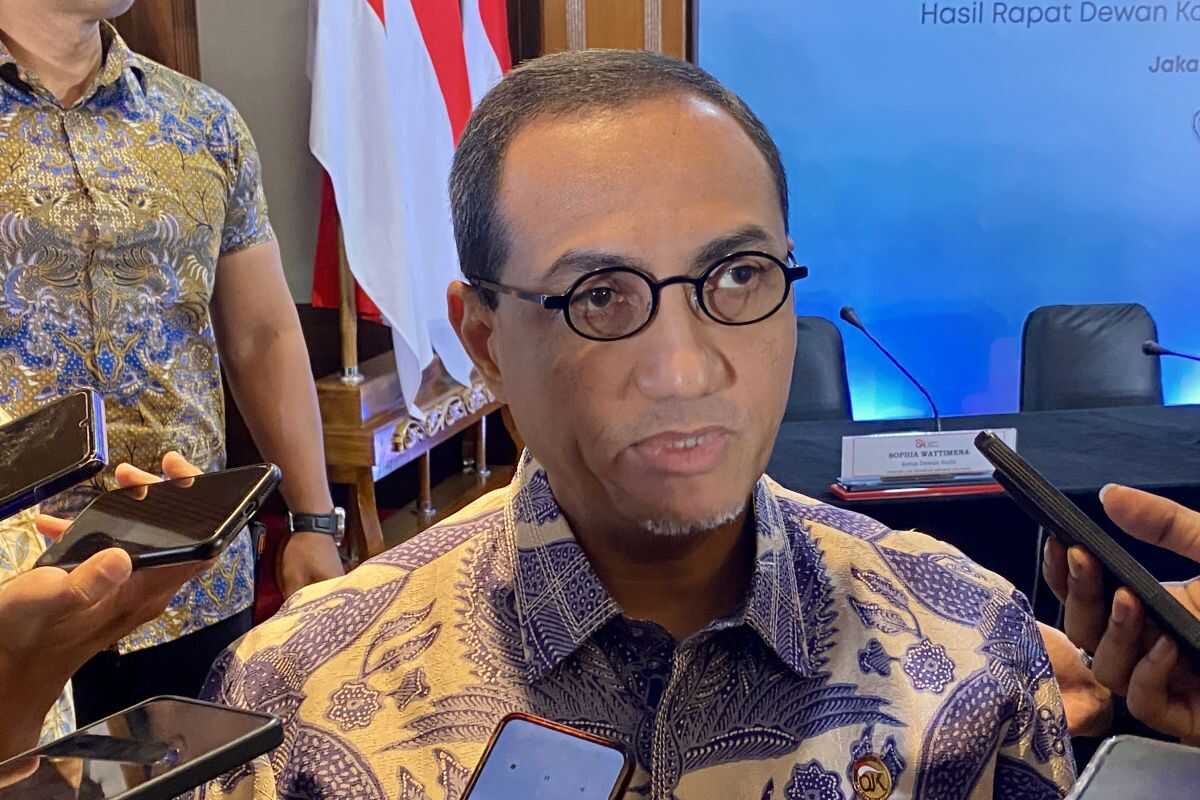
Jakarta — The Financial Services Authority (OJK) continues to strengthen the tokenisation of real assets such as gold, property and securities to meet Shariah principles, while awaiting updates to fatwas related to crypto asset investments in Indonesia.
“Of course we must first ensure adequate supply. Therefore, the underlying assets must be real assets that meet Shariah principles,” said Hasan Fawzi, Executive Head of the Supervisory Unit for Financial Technology Innovation (ITSK), Digital Financial Assets and Crypto Assets (IAKD) at OJK, in Jakarta on Tuesday.
Hasan disclosed that several business models based on real-asset underlying have passed tests in OJK’s regulatory sandbox, including tokenisation of commodities such as gold, the utilisation of property ownership rights, and instruments based on securities.
“With underlying where the assets are real, this meets one of the main Shariah principles,” he said.
Regarding the possibility of fatwa updates being studied by Islamic organisations, OJK welcomed the initiative.
He added that discussions on potential fatwa updates have been scheduled specifically within the Sharia Finance Development Committee (KPKS). The discussions cover investment aspects and activities in Indonesia’s national crypto-asset industry.
In addition, OJK together with the Indonesian Sharia Fintech Association (AFSI) has sent a letter to DSN-MUI to open space for official discussions.
The next steps will begin with aligning perceptions and strengthening capacity, before substantive discussions and the submission of fatwa updates.
Alongside this process, OJK is refining regulations in the digital-asset and crypto sector.
“Although the POJKs do not specifically address the Shariah aspects of crypto-related activities, the characteristics, for example tokenisation of assets where the underlying is real, obviously align with the spirit of Islamic economic justice and the possible fulfilment of Shariah principles in this case,” Hasan explained.
In terms of meeting Shariah principles, he added that OJK has been appointed as the official authority to supervise digital financial assets under the mandate of the P2SK law. The regulator’s existence is considered a key prerequisite in ensuring compliance with Shariah principles.
‘Through’ optimistically? In addition, the trading mechanism is conducted transparently through licensed crypto exchanges. This structure is deemed to strengthen accountability and support Shariah compliance assessment.
However, Hasan stressed that not all crypto assets will automatically fall into the Shariah category. Assessments will be carried out periodically, similar to the stock mechanism, and based on fatwas and regulations that are then translated into regulations to determine which groups of crypto assets meet Shariah principles.
Regarding the possible existence of a list of Shariah tokens, Hasan said that currently OJK has a policy of establishing a list of digital financial assets (DAKD) whose authority lies with licensed crypto exchanges within the formal national ecosystem.
He noted that going forward, if needed, establishing a list of Shariah tokens is highly feasible, as has been the case with DAKD.