
OJK Eases SLIK Requirements, BSI Ensures Risk Management Remains Strict
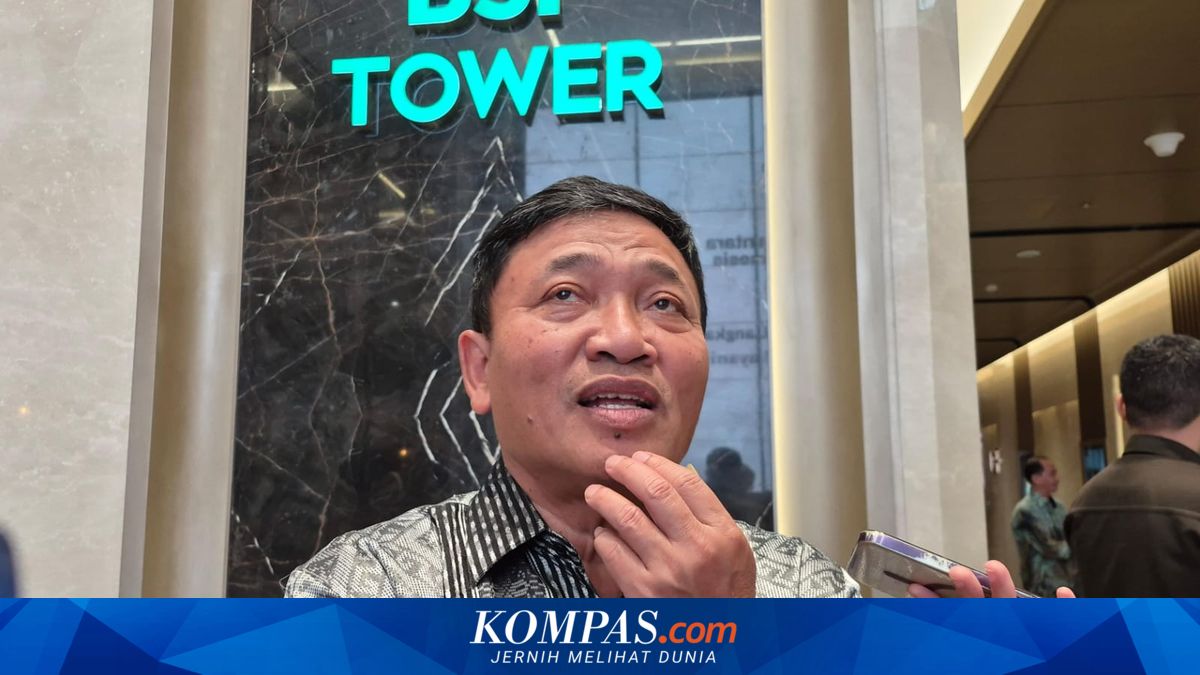
PT Bank Syariah Indonesia (Persero) Tbk, or BSI, supports the new policy from the Financial Services Authority (OJK) regarding the Financial Information Services System (SLIK). One of the new OJK policies is that SLIK will only display credit or financing history with amounts above Rp1 million, whether based on the ceiling or outstanding debit, for each debtor. BSI Deputy Director Bob Tyasika Ananta stated that every regulatory policy has undoubtedly undergone various studies, so BSI, as an industry player, simply needs to adapt to the new rules. “OJK has calculated it several times. We as players just follow the regulations,” he said when met at BSI Tower, Jakarta, on Tuesday (14/4/2026). Nevertheless, Bob emphasised that the assessment of financing risks remains in the hands of the banks. Therefore, information on debtors’ credit history from SLIK continues to be an important element in risk management. “So if there is a list with records that are somewhat poor, it also helps us manage our risks. But in that context, there might be certain deviations that OJK has considered,” he explained. Moreover, BSI has used SLIK as an initial stage to review the credit or financing history of prospective debtors before deciding to provide financing to customers. However, risk assessment does not rely solely on SLIK data but also considers various other aspects in accordance with applicable regulations. For information, in addition to only displaying credit history above Rp1 million, OJK is also implementing an acceleration of updating the debtor’s loan repayment status in SLIK to a maximum of three working days after repayment is made. This policy will begin to be implemented at the end of June 2026 to accelerate the housing financing application process. Then, the third policy, OJK will also open access to SLIK data to the People’s Housing Savings Management Agency (BP Tapera). However, the granting of access is of course carried out in accordance with applicable provisions.