
Oil Rig Explosion - 11 Dead: Technicians Had Already Spotted Warning Signs
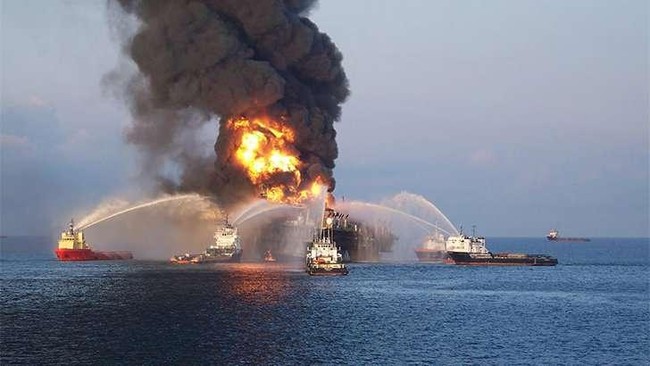
The global oil and gas sector was once shaken by a tragic incident 16 years ago, specifically on 20 April 2010, off the coast of the Gulf of Mexico.
At that time, an oil drilling rig exploded, claiming the lives of more than a dozen workers, damaging the marine ecosystem, and spewing millions of barrels of oil due to the neglect of standard operating procedures, or SOP.
The explosion is known as the Deepwater Horizon oil spill disaster, named after the rig, which was an offshore drilling facility owned by Transocean. The facility was leased by the oil company BP.
According to Britannica records, the well was located about 1,500 metres below sea level and penetrated thousands of metres of rock layers. Drilling had been underway since February 2010, and the day’s activities had reached the final stage before temporarily sealing the well.
However, behind the seemingly normal activities, several technicians had already sensed warning signs that had actually emerged.
Hours before the explosion, pressure test results showed anomalies. The data indicated that the well was not fully stable and had the potential to leak. In standard industry practice, this condition should have served as an alarm to halt operations temporarily and conduct a thorough evaluation.
Nevertheless, operations continued under BP’s pressure to complete the project quickly and efficiently, despite the well’s conditions showing significant potential risks.
Shortly afterwards, those concerns became reality. High-pressure gas from within the well broke through the newly installed protective cement layer, then rose through the pipes to the platform and spread throughout the drilling area.
Within seconds, the gas ignited and triggered a massive explosion. The main safety system, which should have automatically sealed the well in an emergency, failed to function. The explosion then occurred.
In his testimony to The Guardian, one worker named Stephen Davis said that during the explosion, black smoke immediately filled the platform accompanied by a massive jolt that threw everyone’s bodies up to 5 metres.
“The entire platform shook. It felt like walking straight into hell,” he said.
Unfortunately, in the emergency conditions, the workers, including Davis, had to endure for hours before evacuation could be carried out. This was because the fire around the rig complicated rescue efforts. Only when the situation became conducive were 11 workers recorded as dead and 17 others injured.
However, oil from the damaged well continued to flow into the sea for months. Initially, the leak was estimated at around 1,000 barrels per day. But that figure then surged to more than 60,000 barrels per day.
The oil gush was only stopped in July 2010, nearly three months after the explosion, before the well was permanently sealed in September of the same year. During that period, approximately 4.9 million barrels of oil spilled into the sea, making it one of the largest environmental disasters in history.
The impacts extended beyond that. The waters of the Gulf of Mexico were polluted, the ecosystem was damaged, and the economic activities of coastal communities were disrupted.
Initially, the company described the disaster as a technical failure. However, a year later, an investigation team formed by the United States government concluded that the tragedy was not solely caused by technical factors.
Several decisions during the drilling process, including efforts to save time and costs, were deemed to have contributed to the disaster.
“The companies involved made decisions to cut costs and save time, which ultimately contributed to this disaster,” stated the investigation report, quoted by BBC International on Monday (20/4/2026).
Following the incident, BP was imposed with fines and compensation obligations totalling more than US$60 billion. This sanction made it one of the largest penalties in the history of the energy and environmental industries.