
Oil Prices Surge up to 5.6 Per Cent Following Iran's Attack on Middle East Energy Facilities
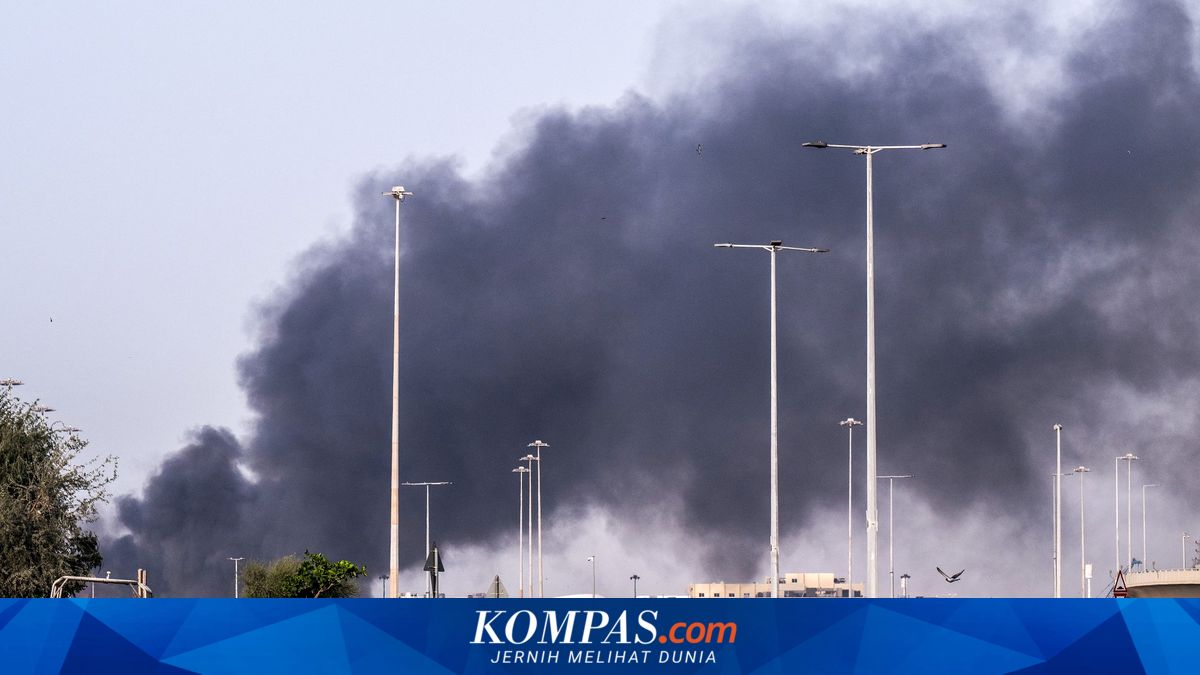
NEW YORK - Global oil prices strengthened at the close of trading on Wednesday (18 March 2026) local time, or Thursday morning (19 March 2026) WIB, and continued to rise up to 5.6 per cent in after-hours trading.
The increase occurred amid rising escalation in the conflict between the United States (US) and Israel against Iran. Tehran launched attacks on several energy facilities in the Middle East as retaliation for strikes on its South Pars gas field.
Citing Reuters, Brent crude futures rose 3.8 per cent to $107.38 per barrel, then strengthened further to 5.6 per cent in post-close trading.
The oil price surge was driven by growing concerns over disruptions to global energy supplies, particularly after the latest attacks targeting energy facilities in the Middle East region.
Qatar’s state-owned oil and gas company reported major damage to the Ras Laffan industrial area due to Iran’s missile strikes.
In Saudi Arabia, the government reported successfully intercepting several ballistic missiles and drone attacks targeting gas facilities in the eastern region.
Iran also issued evacuation warnings for several energy facilities in Saudi Arabia, with the United Arab Emirates (UAE) and Qatar said to be potential targets for attacks in the coming hours, according to Iranian state media reports on Wednesday.
The warnings came after attacks on Iran’s South Pars gas field, which Israeli media claimed were carried out by Israel with US approval, though neither country has provided official confirmation.
“Attacks on Iran’s South Pars field are driving up oil and gas prices, and any further escalation against energy infrastructure will continue to push prices higher,” said SEB analyst Ole Hvalbye.
Oil production cuts in the Middle East are estimated to reach 7 million to 10 million barrels per day, or about 7 per cent to 10 per cent of total global demand. This situation is causing disruptions to global energy supplies.
Nevertheless, amid the tensions, Iraq has begun ramping up oil supplies again. North Oil Company stated that exports of oil from the Kirkuk field to Turkey’s Ceyhan port have resumed via pipeline with an initial capacity of 250,000 barrels per day.
“Iraq is ramping up production at just the right time, when the world desperately needs additional oil supplies. This also increases pressure on Iran, making it harder for them to use oil as a bargaining tool,” said analyst Phil Flynn of Price Futures Group.
Meanwhile, Libya has diverted production flows from the Sharara oil field through alternative routes following a fire.
In the US, data showed crude oil inventories rose by 6.2 million barrels to 449.3 million barrels last week, far exceeding market expectations. This indicates that global energy markets remain under high pressure amid the unresolved geopolitical conflict.