
Oil Prices Surge, Some Companies Also Reap Substantial Profits
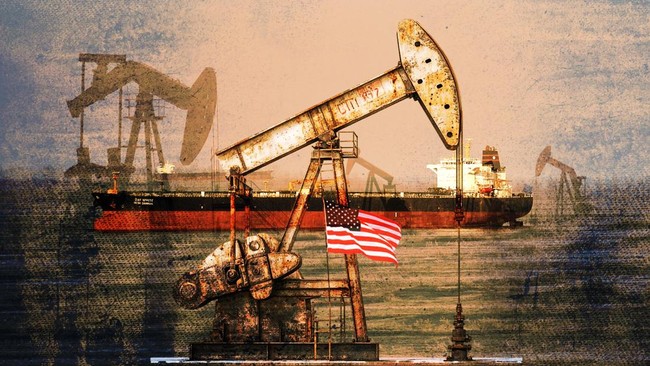
The rise in fuel prices generally imposes two main pressures on the corporate sector. First, there is an increase in operational and input costs that directly squeezes company profit margins. Second, consumers’ purchasing power tends to decline as it is allocated to more expensive energy needs. For illustration, the rise in petrol prices in the United States from US$3 to US$4 per gallon is estimated to add up to US$1,000 annually to household expenditure burdens, impacting reductions in budgets for entertainment and other non-essential needs.
Since the escalation of the conflict in the Middle East at the beginning of 2026, crude oil prices have experienced significant fluctuations around US$100 per barrel, up from US$60 levels at the start of the year.
This situation has created quite stark performance differences in equity markets, depending on each sector’s level of dependence on energy costs.
Performance of the Energy and Petrochemical Sectors
The oil and gas sector has recorded positive performance with an average share price increase of 8% since the end of February 2026. However, data shows that petrochemical issuers like LyondellBasell and Dow Chemicals have experienced even more significant share price rises, around 30%.
This is due to the comparative advantages of these companies, which have access to domestic natural gas in North America. Natural gas prices that remain competitive compared to global oil prices provide better profit margins for chemical and fertiliser producers in the region.
In the retail sector, companies focusing on the economical price segment like Burlington have recorded an increase of around 7%. Market sentiment indicates that investors expect consumers to shift to discount stores as energy inflation pressures household incomes.
On the other hand, share prices of large retail chains like Walmart and Costco tend to be stable because they can offset inflation pressures through operational efficiencies.
Pressure on Transportation and Consumer Goods Sectors
The air and sea transportation sector has been one of the most affected by rising fuel costs. Share prices of American Airlines and United Airlines have fallen by 20% and 13%, respectively.
This decline aligns with the increasing cost of aviation fuel, which is not fully protected through hedging contracts. The same applies to travel operators like Norwegian Cruise Line, which face similar pressures due to heavy reliance on fuel consumption.
In the consumer sector, performance declines are evident in companies like Nike and Chipotle, which heavily depend on discretionary public spending. Additionally, packaged food producers like Campbell’s and General Mills have also recorded share price corrections of more than 20%.
Although producing staple goods, the market assesses that these companies have limitations in raising selling prices after the inflation wave that occurred a few years prior.
Long-Term Projections and Changes in the Automotive Sector
Sustained energy price changes also signal long-term prospects for the automotive industry. Share prices of conventional car manufacturers like Ford have declined, reflecting market concerns over reduced demand for petrol-fuelled vehicles. Conversely, issuers in the electric vehicle sector and global battery producers are showing strengthening trends.
Current market sentiment indicates that the energy crisis could accelerate the transition to more efficient transportation technologies. Although the direction of geopolitical conflict developments remains difficult to predict, market participants are beginning to anticipate that the economic impact of this oil price surge will affect corporate operational strategies and investments over a considerable period.