
Oil Prices Surge Due to Iran Conflict: Breaking US$ 80, Heading for US$ 100 per Barrel
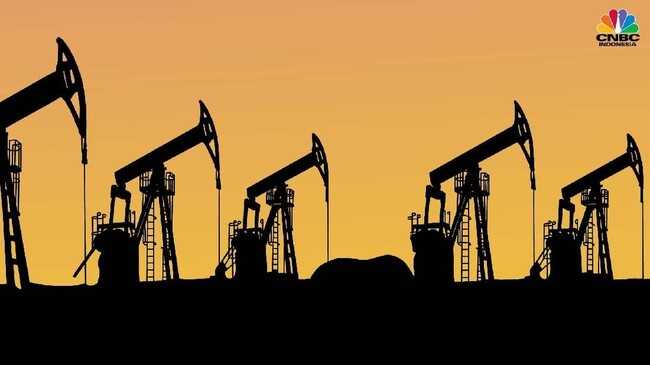
Oil prices surged in Asia on Monday, 2 March 2026, following geopolitical turmoil in the Middle East after military strikes by the United States and Israel against Iran. Early trading saw Brent crude—the international benchmark for crude oil—climb to slightly above US$80 per barrel, compared with Friday’s close of US$72.87.
Brent prices had already been rising since last week when the US President threatened military action against Iran amid ongoing nuclear negotiations. These tensions create significant risks for the 20% of global oil that flows through the Strait of Hormuz, which is controlled by Iran.
“In such situations, insurance costs become extremely expensive,” said Amena Bakr, head of Middle East and OPEC+ research at Kpler, according to AFP. “Prices could reach US$90,” she added.
Analysts at Rystad Energy, including Jorge Leon, echoed similar concerns. Whilst some alternative infrastructure exists to bypass the Strait of Hormuz, a complete closure would result in the loss of 8–10 million barrels per day of crude supply. Though oil-importing nations theoretically maintain reserves—with OECD members required to hold 90 days of supply—prices above US$100 cannot be ruled out.
“If the Strait of Hormuz blockade continues, no matter how much reserve capacity exists, it will not be able to fill the gap. The shortfall is too large,” Bakr stated.
Natural gas prices are also expected to spike on Monday. Qatar, as a major exporter of liquefied natural gas, could face Iranian retaliatory strikes. Qatar hosts the largest US military base in the Middle East, Al Udeid, alongside bases in Saudi Arabia, Bahrain, Kuwait, the United Arab Emirates, and Iraq.
Crude oil last exceeded US$100 per barrel during the early stages of the Ukraine conflict, when elevated gas prices contributed to a prolonged inflationary period. According to Eric Dor, an economist at IESEG School of Management Paris, “Rising petrol prices, higher energy costs, increased shipping expenses, and lost revenue from air transport could severely impact economic growth. If this lasts only three days, it is not serious. However, if it extends over a longer period, it could trigger additional recession.”
Stock Market Implications
On the equity markets, certain sectors such as defence may benefit on Monday, though Dor predicted an overall “decline” in share prices, particularly in aviation, maritime shipping, and tourism.
Meanwhile, Michelle Brouhard, an analyst at Kpler, described elevated oil prices as a “weak point for Trump”. She suggested Iran may attempt to sustain high crude prices to pressure Trump to back down, particularly given his pre-election promises to American voters of lower fuel prices ahead of the mid-term elections later this year.