
Oil Prices Soar Amid Iran Conflict; Donald Trump: This Is a Small Price for Global Security
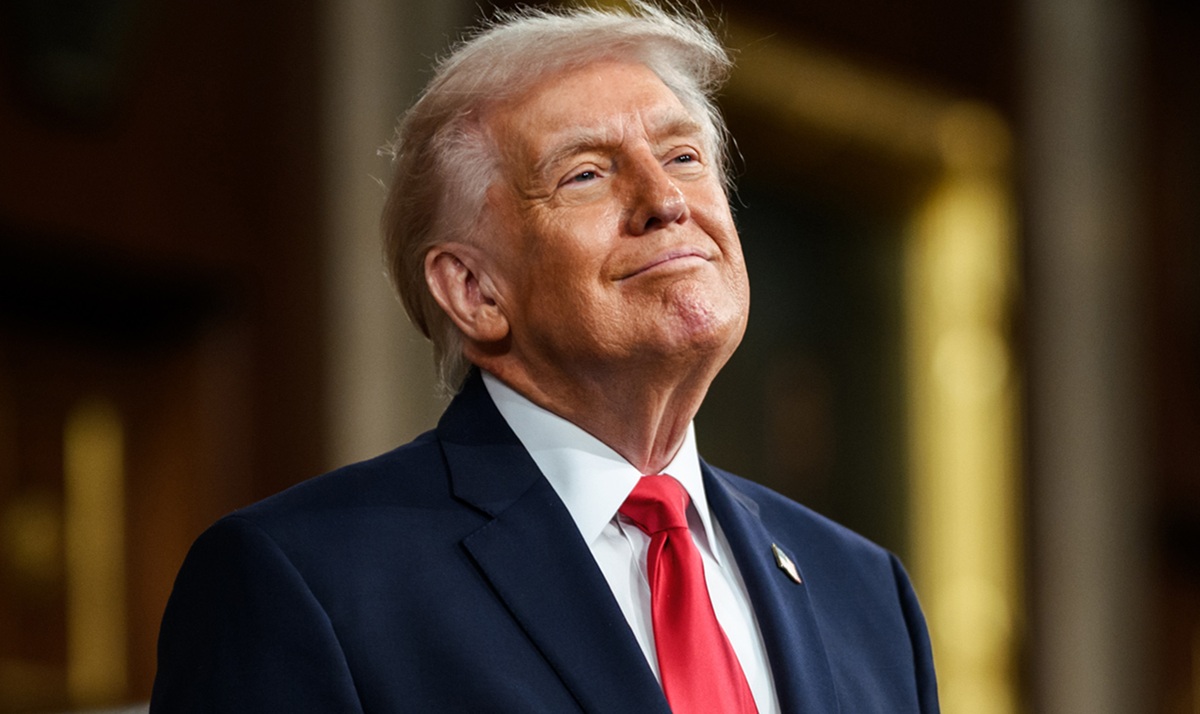
US President Donald Trump has responded to the sharp surge in global crude oil prices triggered by escalating conflict in the Middle East, characterising the increase as temporary and a small sacrifice for achieving global security. Through a post on Truth Social, Trump asserted that oil prices will soon correct once the Iranian nuclear threat is addressed, arguing that long-term stability is far more valuable than current market fluctuations.
“Short-term oil prices, which will drop drastically when the destruction of Iran’s nuclear threat ends, are a very small price to pay for the Security and Peace of the United States and the World. ONLY FOOLS WOULD THINK OTHERWISE!” Trump wrote.
The crude oil price surge recorded on Sunday 8 March marked the highest increase since Russia’s invasion of Ukraine in February 2022. Global oil prices have now officially exceeded the psychological threshold of $100 per barrel.
Brent crude surged 18 per cent to $108.68 per barrel, whilst US crude West Texas Intermediate (WTI) climbed nearly 20 per cent to touch $108 per barrel. For comparison, during the early stages of the Ukraine conflict in 2022, oil prices also spiked well above $100 per barrel before eventually stabilising again.
The dramatic price increase represents a direct market response to the effective closure of the Strait of Hormuz. This waterway is the world’s most critical transit point for the transportation of global oil and gas.
Due to the conflict between the US-Israel alliance and Iran, traffic through the Strait of Hormuz has come to a complete halt. This has prompted major energy producers in the Middle East to reduce their output.
The combination of halted distribution along the main shipping route and production cuts by major producers has created a supply shock that worries investors about potential long-term constraints on Middle Eastern oil flows. Although Trump remains optimistic that prices will soon “self-correct”, markets remain cautious given the significance of the Strait of Hormuz to the global economy.
Iranian Foreign Minister Abbas Araghchi has firmly rejected Trump’s demands for “unconditional surrender”, with Iran choosing to continue its resistance in defence of its people’s dignity and security.