
Oil Prices Rise on Middle East Conflict, EVs Gain Traction
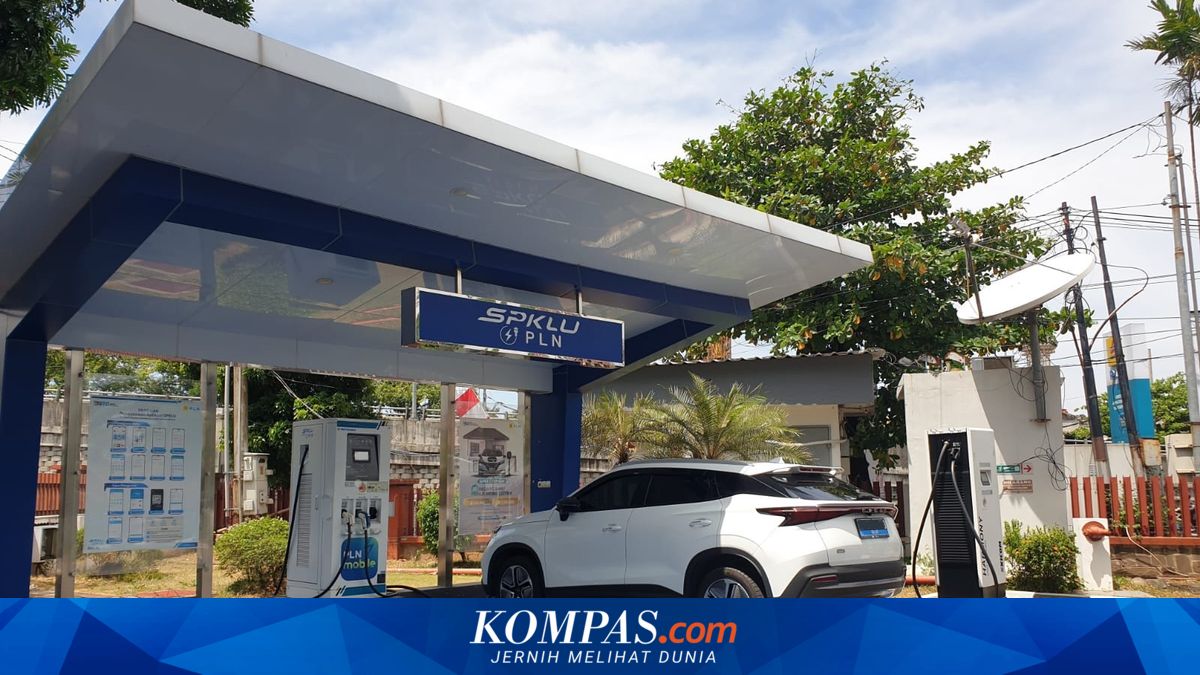
Oil prices rose globally following the geopolitical crisis in the Middle East, a development observers say is reshaping the world automotive industry. Amid higher fuel prices and concerns about energy security, electric vehicle (EV) sales are accelerating rather than slowing. The latest Global EV Outlook 2026 from the International Energy Agency (IEA), cited on 21 May 2026, projects that almost 30% of global car sales in 2026 will be electric vehicles (EVs). The IEA’s Global EV Outlook 2026 estimates that global EV sales will reach 23 million units this year, accounting for about 28% of total car sales worldwide. The IEA notes that EV sales in 2025 rose more than 20% year-on-year to around 21 million units. In other words, one in four cars sold last year was an EV. Reuters reported oil prices briefly exceeded $100 per barrel, roughly Rp 1.76 million per barrel (assuming an exchange rate of Rp 17,660 per US dollar). The IEA says energy crisis due to the Middle East conflict shows the high dependence of many countries on oil imports. The agency notes the road transport sector currently accounts for nearly half of global oil demand. Therefore policy responses to the energy crisis this time are expected to influence the direction of the global automotive market in the long term. Such policies have made fuel efficiency of conventional cars nearly twice as good as in 1975. Meanwhile, during the Covid-19 pandemic, many countries began offering subsidies for electric vehicles to spur economic recovery and accelerate EV adoption. In the report, the IEA notes the global EV fleet in 2025 helped reduce oil consumption by around 1.7 million barrels per day (bpd). Several Southeast Asian countries, including Vietnam as the largest EV market in the region, have also begun expanding EV tax incentives as part of the response to the current energy crisis.