
Oil Prices Rise 5 Percent After Israel's Attack on Iran's Energy Facilities, Triggering Global Inflation
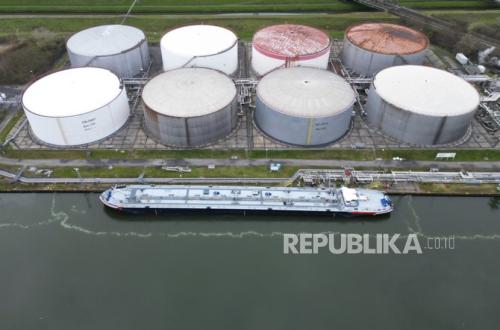
REPUBLIKA.CO.ID, TEHERAN — Global oil prices have surged sharply following Israel’s attack on the South Pars gas field in Iran, heightening market concerns over disruptions to worldwide energy supplies.
According to the latest trading data, the price of Brent crude, the global benchmark, has risen by around 5 percent to approach $110 US per barrel. Meanwhile, West Texas Intermediate (WTI) crude oil has also strengthened, reflecting an increased risk premium due to the escalating conflict in the Middle East.
The attack targeted the South Pars gas field, the world’s largest gas field and a cornerstone of Iran’s energy supplies. Disruptions to this facility are amplifying worries about the stability of global oil and gas supplies.
The escalation of the conflict between Iran and Israel has disrupted energy distribution in the Gulf region, including the strategic Strait of Hormuz, through which around 20 percent of the world’s oil supply passes.
Such disruptions could pressure global supplies by millions of barrels per day, thereby driving significant increases in energy prices.
This situation heightens the risk of global inflation, given that energy prices are a major component in the costs of producing and distributing goods. Rising oil prices also have the potential to push up food and logistics prices more broadly.
In the aftermath of the attack, Iran has threatened to target energy infrastructure in Gulf countries such as Qatar, Saudi Arabia, and the United Arab Emirates. This threat amplifies the risk of further disruptions to the global energy supply chain.
Additionally, several energy facilities in the region have been reported as affected by attacks, including gas facilities in Qatar, which is further deteriorating market sentiment.
Amid this pressure, the United States government has taken emergency measures, including easing energy shipping regulations and opening opportunities for additional supplies from countries like Venezuela, in an effort to curb the price surge.