
Oil Prices Fall After Reaching Peak Levels as IEA Prepares to Release Strategic Reserves
Global crude oil prices declined in Asian trading on Wednesday, 11 March 2026, following an announcement by the International Energy Agency (IEA) of plans to conduct the largest strategic petroleum reserve release in history.
Brent crude for May contracts fell nearly 1 per cent to US$86.93 per barrel (approximately Rp1.46 million at an exchange rate of Rp16,800). West Texas Intermediate (WTI) crude weakened approximately 0.5 per cent to US$83.07 per barrel (approximately Rp1.39 million).
Price movements exhibited significant volatility following the announcement, with crude values fluctuating sharply over minutes before settling into a more stable downward trend.
The IEA has proposed a substantial strategic petroleum reserve release in response to market turmoil caused by Iran-related geopolitical tensions. Member nations of the agency are scheduled to consider the proposal at a meeting on Wednesday.
If approved, the reserve release is expected to surpass the previous record. The proposed emergency reserve release is estimated to exceed the 182 million barrel release in 2022, which occurred at the onset of the Russia-Ukraine conflict.
By way of comparison, IEA member nations previously released 182 million barrels from their strategic reserves in 2022 to mitigate the initial impact of the Russia-Ukraine war. This emergency measure aimed to reduce oil supply disruptions that worsened as the Strait of Hormuz faced near-closure by Iran.
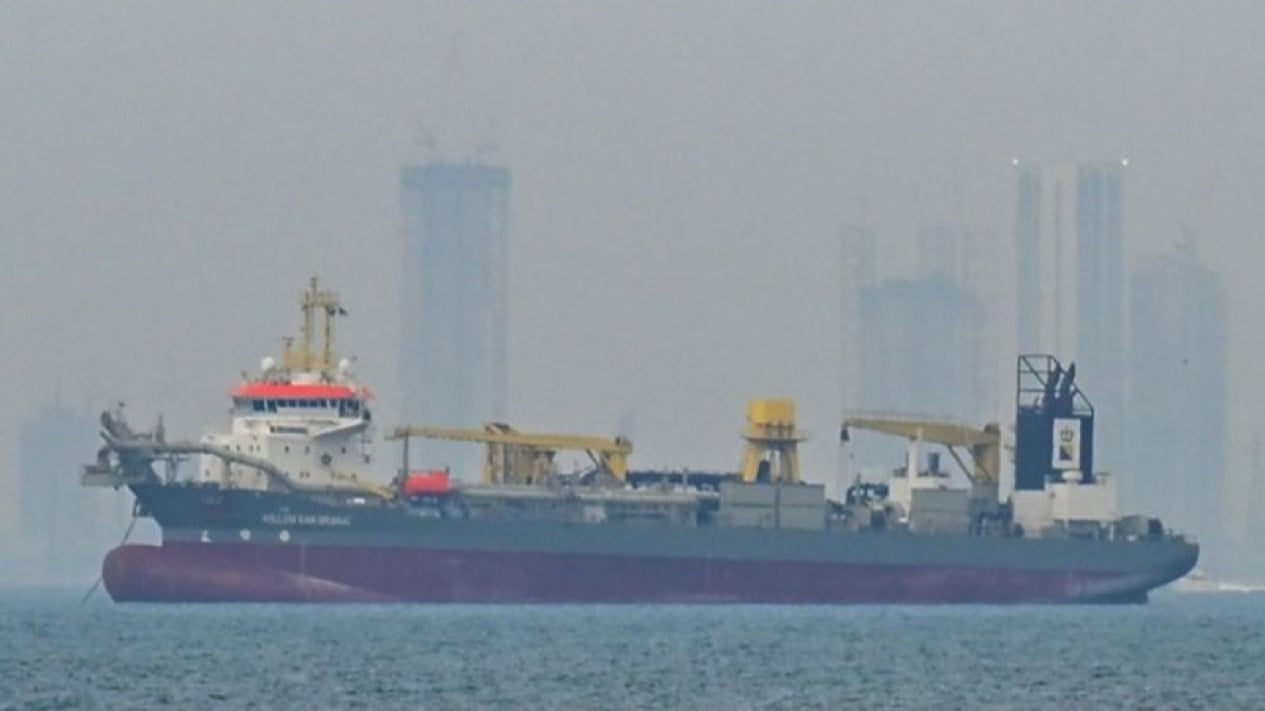
The maritime route represents one of the world’s most critical energy corridors, facilitating approximately 20 per cent of global oil supply. The situation at the Strait of Hormuz has become a primary concern for global energy markets. Recent reports indicate that Iran has attacked vessels transiting the passage over recent days.
Additionally, Tehran has reportedly positioned naval mines in the strait’s area, heightening risks to oil tankers passing through. Iran has also signalled that the passage will only reopen fully if American and Israeli attacks against the country cease.
Prolonged closure of the Strait of Hormuz poses serious risks to oil and gas supply disruptions, particularly for numerous Asian nations heavily dependent on the passage.