
Oil Prices Continue to Soar, OPEC+ Prepares to Ramp Up Production
Global oil prices continued to strengthen during Tuesday’s trading (7 April 2026), as geopolitical tensions in the Middle East heated up ahead of the deadline for the ultimatum from US President Donald Trump to Iran.
According to Refinitiv data as of 09:40 WIB, Brent crude was at US$111.02 per barrel, up from US$109.77 the previous day. Meanwhile, West Texas Intermediate (WTI) was recorded at US$114.61 per barrel, surging from US$112.41.
Over the past week, the price rally has been consistent: Brent has risen nearly 10% since 1 April, while WTI has jumped more than 14%.
This increase comes amid escalating conflict centred on the Strait of Hormuz, a vital route carrying around 20% of global oil supplies. Iran is reported to have closed access to the strait since late February, following attacks involving the United States and Israel. The impact has been immediate: tanker traffic is stalled, and global supplies are disrupted.
US President Donald Trump has ramped up pressure with harsh threats against Tehran. He stated he would take further steps if Iran does not reopen the Strait of Hormuz before the specified deadline. In his statement, Trump even warned that Iran could be “destroyed” if it does not comply with the ultimatum.
On the other hand, Iran has rejected a proposal for a temporary ceasefire and demands a permanent end to the conflict. This tension has left the market in a state of high alert, with market participants closely monitoring developments minute by minute, especially ahead of the deadline set by Washington.
The situation on the ground has further soured sentiment. Iran is reported to have halted two Qatari LNG ships without explanation, while Saudi Arabia has confirmed intercepting seven ballistic missiles aimed at its eastern region—near energy facilities. At the same time, Ukrainian drone attacks on Russian oil infrastructure in the Black Sea have added pressure to the global supply side.
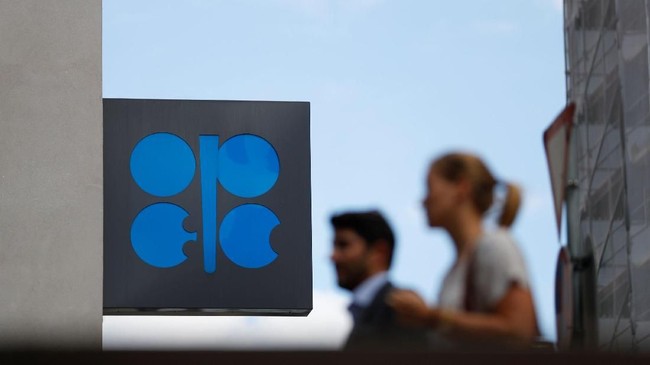
From a policy perspective, OPEC+ has indeed agreed to an increase in production quotas by 206,000 barrels per day for May. However, its realisation is in doubt because several major producing countries face distribution obstacles due to the closure of export routes in the conflict area.
Amid this situation, spot oil prices, particularly WTI, have surged with premiums hitting records, as refineries in Asia and Europe hunt for alternative supplies. Saudi Aramco has even raised the official selling price of Arab Light to Asia to the highest premium level in history, reaching US$19.50 per barrel above the Oman/Dubai benchmark.