
Oil Prices Approach US$120, Analysts Predict Could Break Through US$150
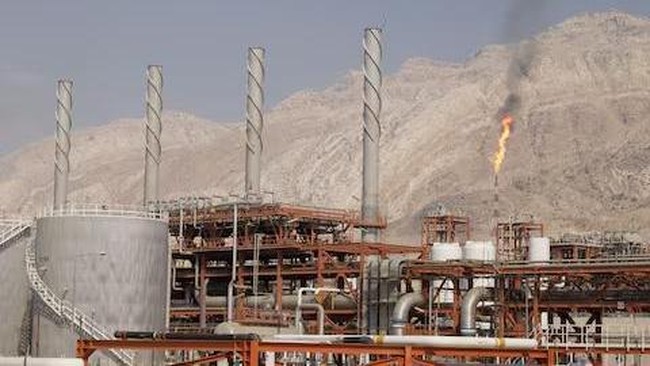
Oil and gas prices surged on Thursday (19/3/2025) after several of the world’s most important energy facilities were hit in a new wave of attacks in the Middle East, sparking fears of deeper and longer-lasting disruptions to global supplies.
In mid-morning European trading, Brent crude rose 10% to $118.50 per barrel and was up 65% monthly. West Texas Intermediate, the US oil benchmark, rose 2.9% to $95.08 per barrel. Natural gas prices jumped 26%, with next month’s Dutch TTF contracts trading at 68.70 euros per megawatt-hour after touching 70 euros at the open.
Iranian missile strikes caused “further extensive damage” to Qatar’s Ras Laffan complex, home to the world’s largest liquefied natural gas export facilities, QatarEnergy said on Thursday morning. The strikes followed another Iranian attack on the site on Wednesday that also caused significant damage.
“The issue for the global gas market is not just when flows through the Strait of Hormuz will return to normal, but also how long repairs at the site will take,” an analyst at ING said. Damage to these facilities means traders must factor in longer supply shutdowns, as production could be halted for months.
Iran threatened on Wednesday to strike several major facilities in the Gulf, prompting Qatar, Saudi Arabia, and the United Arab Emirates to evacuate some of their sites. This escalation came after Israel struck the backbone of Iran’s energy industry, the giant South Pars gas field jointly owned with Qatar.
“Risks abound for Iran’s natural gas exports to Turkey, Iraq, and Armenia,” an ING analyst said. “The market must price in a higher risk premium, given the growing threats to energy infrastructure in the region.”
President Trump said Israel would not carry out further strikes on the field but warned that if Iran attacks Qatar, the US will “blow up the whole” South Pars.
Strikes on all facilities warned by Iran could eliminate at least 700,000 barrels per day of refined product capacity from the global market overnight, disrupting supplies of diesel, jet fuel, and naphtha, Rystad Energy analysts said.
Energy infrastructure has become a primary target in the widening conflict, heightening the risk of prolonged supply shocks. Meanwhile, the Strait of Hormuz remains effectively closed, forcing major Gulf producers to cut production or seek alternative export routes to avoid the vital waterway.
A sustained campaign against oil and gas assets could drive crude prices well above $120 per barrel, with significant consequences for the global economy. If key infrastructure, such as Saudi Arabia’s Yanbu port, is hit, oil prices could surge past $150 per barrel, according to Rystad.
Prices surged despite efforts by the Trump administration to calm markets. President Trump issued a 60-day exemption to the Jones Act, allowing foreign-flagged vessels to carry commodities between US ports. Separately, Iraq reached an agreement to export its oil through Kurdistan territory to Turkey’s Ceyhan port in the Mediterranean, far from the Persian Gulf.