
Oil Price Volatility Shakes Fuel Markets in Europe as US Faces Mounting Pressure to End Conflict
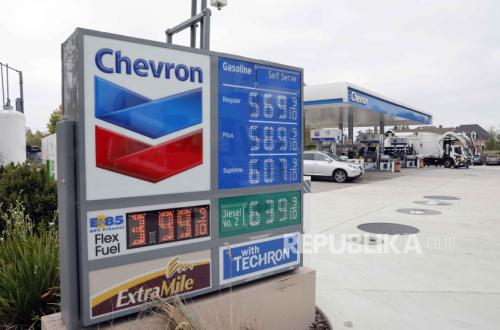
The Group of Seven (G7), comprising the United States, United Kingdom, France, Germany, Italy, Canada, and Japan, signalled on Tuesday, 10 March 2026, the possible release of emergency oil reserves amid rising tensions in the Middle East. Although crude prices have fallen below $90 per barrel, the spike has been rapidly reflected in wholesale and retail fuel markets across European nations.
In Lithuania, average retail pump prices increased to €1.58 (approximately $1.83) per litre for petrol and €1.93 (approximately $2.24) per litre for diesel, representing increases of approximately 7.3 per cent and 17.6 per cent respectively compared with the previous week.
In Bosnia and Herzegovina, diesel prices in the Republika Srpska entity surged around 25 per cent since early March, whilst average diesel prices reached nearly $1.62 per litre in the Federation of Bosnia and Herzegovina entity, up 16.7 per cent compared with 28 February.
European gas markets responded sharply to the tensions. The Dutch TTF natural gas futures contract for April delivery rose 11.59 per cent to €59.57 ($69.19) per megawatt-hour on Monday. The contract stood at €31.96 ($37.12) on 27 February, representing an increase of approximately 86.4 per cent over six trading days.
European stock markets closed lower, though losses narrowed compared with earlier in the trading session when oil prices fell from their peaks. The UK benchmark FTSE 100 index declined 35.23 points, or 0.34 per cent, closing at 10,249.52 points. Germany’s DAX index fell 0.77 per cent to approximately 23,409 points, whilst France’s CAC 40 index declined 0.98 per cent to approximately 7,915 points.
In response to sharp market volatility, G7 finance ministers and International Energy Agency Executive Director Fatih Birol held a videoconference meeting on Monday. Birol stated that market conditions had deteriorated in recent days and that participants discussed all available options, including providing IEA emergency oil reserves to the market if necessary.
IEA member countries are required to maintain oil reserves equivalent to at least 90 days of net imports to ensure a coordinated response to serious supply disruptions affecting the global oil market.
“We are ready to take the necessary steps, including using strategic reserves, to stabilise the market,” French Economy Minister Roland Lescure said following the meeting, whilst emphasising that such action is not currently required.